

Why your router deserves a second look
We usually treat routers as boring, invisible appliances until they start misbehaving. In this guide we show practical signs that an upgrade will actually improve daily life: fewer dropouts, lower latency, and smarter home integration. We focus on outcomes, not marketing specs, and explain how device density, ISP limits, and placement influence real performance.
We’ll walk through performance troubleshooting so you can separate router problems from ISP or device issues; meaningful new standards and features; vendor support and security; scaling from a few gadgets to dozens; design and placement trade-offs; and cost strategies including repair, replacement, or mesh. Our aim: help you pick a router that lasts in the real world with confidence.



Performance problems: how to separate router trouble from other causes
We start with the symptoms everyone notices: slow downloads, high ping in games, jittery video calls, and Wi‑Fi dead zones. Before assuming the ISP or a flaky laptop is to blame, we run a few simple, repeatable checks that isolate the router as the bottleneck.
Quick A/B tests you can do in 10–20 minutes
How to read what the tests tell you
If wired speeds are fine but Wi‑Fi is slow, the radio or antenna design is usually the culprit — not your ISP. If a single client performs well but multiple clients suffer, the router’s CPU and concurrent‑connection handling (NAT table, threads) are likely overloaded. If a factory reset fixes it, corrupted firmware or a rogue setting was the problem.
Why modern features actually matter
Newer radios and protocols (Wi‑Fi 6’s OFDMA and MU‑MIMO) let the router talk to many devices more efficiently; older AC hardware can stall when dozens of smart devices wake up. Quality of Service (QoS) isn’t magic — good implementations prioritize real‑time traffic (games, calls) without throttling bulk downloads. In our tests, swapping a four‑year‑old AC router for a midrange AX model (think ASUS RT‑AX86U or Netgear RAX50) cut in‑home latency and allowed simultaneous 4K streams without buffering.
These diagnostics show whether a configuration tweak or a hardware upgrade will deliver the day‑to‑day improvements you actually notice.
New standards and features that matter in practice
What Wi‑Fi 6 and 6E actually change
Wi‑Fi 6 (AX) isn’t just faster peak speeds — it’s about efficiency. OFDMA and improved MU‑MIMO let a router multiplex short bursts to many smart devices, which in day‑to‑day life means fewer hiccups when dozens of gadgets wake up. Wi‑Fi 6E adds the 6 GHz band: more clean channels, less interference, and lower contention — but only when the client supports 6E and you’re in range. For most homes, 6E is most useful for short‑range, high‑bandwidth tasks (wireless backhaul, VR, high‑bitrate streaming) rather than blanket speed boosts throughout a house.
When 160 MHz channels and multi‑gig ports help
160 MHz channels can double a client’s wireless link speed, but they’re fragile: they need a clear radio environment and a 160 MHz‑capable client. In practice, that matters for single‑device transfers (big wireless backups, a laptop moving huge video files). Multi‑gig WAN/LAN ports matter when your internet or internal NAS traffic exceeds 1 Gbps. If your ISP maxes at 500 Mbps, a 2.5 G port won’t speed your web browsing — but it will speed transfers to a 2.5 G NAS or speed up a wired backbone to a mesh node.
Security and PHY features that change behavior
WPA3 gives us better protection and easier password handling, but mixed‑device homes often need WPA2 fallback. Beamforming and antenna/PHY improvements aren’t magical — they just yield steadier connections at the edges, fewer retransmits, and better video calls in rooms far from the router. Enable modern security and automatic firmware updates; they affect real reliability and privacy.
Backwards‑compatibility traps — what to check now
Next, we’ll look at how vendor firmware, support policies, and update cadence determine how long these features keep working for us.
Security, support, and firmware: why vendor practices affect longevity
Why firmware cadence matters
Routers live on our networks for years, quietly exposed to the internet. When vendors issue timely security patches, a six‑year‑old router can still be safe; when they don’t, a year‑old model can be a liability. We look at support behavior, not just specs — release notes, security advisories, and a clear end‑of‑life policy tell us whether a router will keep protecting us or become an attack vector.
Indicators your router is past its prime
Watch for these red flags when deciding to upgrade:
If we spot any of those, it’s time to consider replacement or a more supported platform.
Cloud‑managed vs locally managed: the tradeoffs
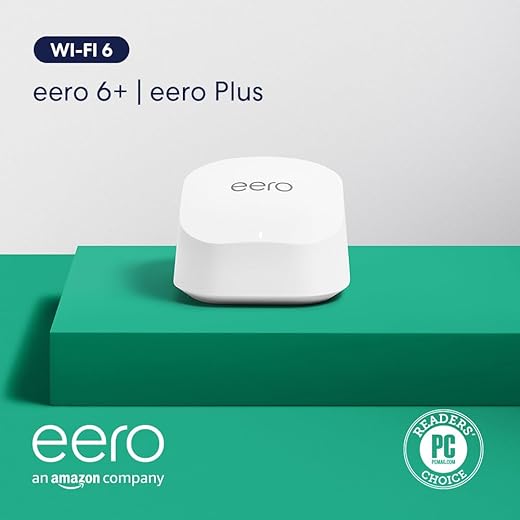
Cloud management makes life easier: automatic patches, remote diagnostics, and streamlined setups (see Eero, Google Nest, UniFi Cloud). But it also introduces vendor dependence and potential privacy concerns. Local management gives us control — custom DNS, manual patch scheduling, on‑prem logs — but requires diligence to keep firmware current.
Built‑in protections and immediate steps
Modern firmware often includes real‑world defenses that matter: guest networks, device segmentation/VLANs for IoT, WPA3 support, and automatic malware/blocklist blocking. These features reduce our risk even without perfect patching.
Actionable steps we can take now:
Paying a bit more up front for a router from a vendor with transparent, active firmware support usually saves time and anxiety later. Next, we’ll look at how those security and management choices play out as a home grows from a handful of devices to dozens.
Device density and smart‑home integration: scaling from a few gadgets to dozens
Why the mix of devices changes everything
We’ve all upgraded for speed, but the smart‑home era stresses routers in different ways. A hundred low‑bandwidth sensors keep radios awake; a handful of 4K streamers demand sustained throughput. That combination—many always‑on clients plus occasional heavy hitters—creates latency spikes and airtime contention even when headline speeds look fine.
When mesh or dedicated backhaul helps
In practice we see one simple pattern: coverage matters as much as peak Mbps. Tri‑band mesh systems with a dedicated backhaul (Netgear Orbi RBK852 series, Asus ZenWiFi AX models) or wired backhaul between nodes offload traffic and reduce wireless contention. Mesh wins when devices are spread across floors or outdoor spaces; a single powerful router can’t fix poor signal in every room.
Client steering, QoS, and the day‑to‑day experience
Features that sounded niche three years ago now feel essential. Band steering and AP steering move phones and TVs to the least congested radios automatically. Intelligent QoS prioritizes video calls and game packets over background IoT chatter. We’ve noticed systems from Eero and Synology make day‑to‑day responsiveness far better simply by managing client behavior, not by shaving raw latency numbers.
Ecosystem integration: Thread, Matter, and companion apps
Beyond connectivity, ecosystem support defines convenience. Routers and meshes that function as Thread border routers (e.g., Google Nest Wifi Pro) or that interoperate cleanly with Matter reduce hub sprawl and future‑proof your setup. Similarly, built‑in Zigbee or vendor partnerships with voice assistants (Amazon, Google, Apple) cut setup time and improve reliability.
Quick, actionable tips
Design, placement and hardware considerations that shape real use
Form factor and where we put it
A router’s looks matter because we live with it. A flashy tower (think TP‑Link Archer AX11000 or Netgear Nighthawk) sits proud on a shelf and radiates better in open air, but if we hide it in a cabinet to preserve the living‑room aesthetic we kill both signal and cooling. Our rule: place routers in the open, high and central to the house; if that clashes with décor, pick a compact, unobtrusive model that still has good antenna geometry.
Ports and wired backhaul choices
How many and what kind of ports changes placement decisions. A single 2.5G WAN/LAN port means we’ll want the router near our modem or NAS; SFP or multiple multi‑gig ports mean we can put powerful gear in a closet and run fiber or 2.5/10G cables to it. Practical tips:
Thermals, noise and long‑term reliability
We’ve killed routers by stuffing them into enclosed media cabinets. Fanless designs are quieter but need airflow; cheap plastic housings trap heat and shorten component life. Check third‑party reviews for sustained‑load temperatures. If a router runs hot under streaming or gaming, consider a model with better heat sinks or a small fan (or move it to a better‑ventilated spot).
Installation, daily use and expandability
Onboarding apps, forced cloud accounts, and finicky pairing are real pain points. We favor systems with clear local‑control options, sensible LED behavior, and straightforward satellite pairing. Look for:
Thinking about physical design and how the hardware fits our home saves us grief later — and it’s a key input when we next weigh repair, replacement, or moving to a mesh strategy.
Cost and upgrade strategy: when to repair, replace, or choose a mesh setup
Start with quick, low‑cost fixes
Before spending money, we try a short troubleshooting playbook that often buys weeks or years:
When it’s time to replace
We replace when fixes don’t help or the router is old, unsupported, or physically failing. Key triggers:

Single high‑end vs mesh: practical tradeoffs
Choose a single powerful router when:
Cost and ownership quick metrics:
Rules of thumb:
Next, we synthesize these signals into a practical checklist to decide whether to upgrade.
A practical checklist for deciding whether to upgrade
We should isolate issues: run speed and range tests, reboot and bypass the router to rule out ISP or device problems. Inventory our devices and density, matching them to supported Wi‑Fi standards and required features (band steering, MU‑MIMO, WPA3). Audit firmware update cadence and vendor reputation for security patches.
Then weigh physical constraints, ecosystem integrations (smart‑home bridges, app quality), and cost versus long‑term headroom. Upgrade when we see measurable gains in reliability, security, or usability; if unsure, pick a router or mesh with clear update policies and extra capacity for future devices.