
We break down how Dolby Atmos and DTS:X actually sound, fit into smart‑home ecosystems, and change our setup choices—so you can decide whether Atmos’ wider device support or DTS:X’s object flexibility matters more for your living room.
We cut through marketing hype to compare Dolby Atmos and DTS:X using Denon’s mainstream AVR-X1700H and higher‑end AVR-X3800H, testing how object audio alters setup, everyday listening, and ecosystem fit in real rooms today — and why those differences matter now.
Value Theater
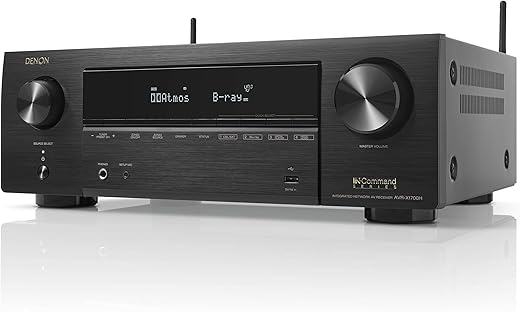
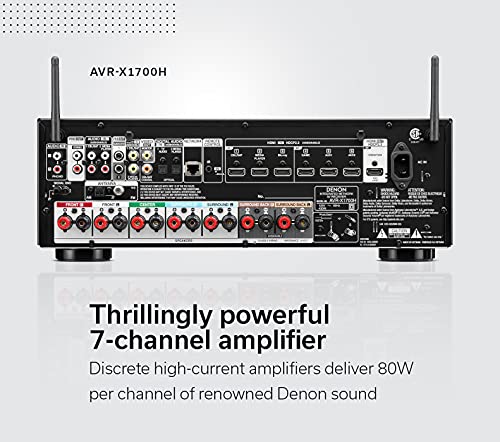
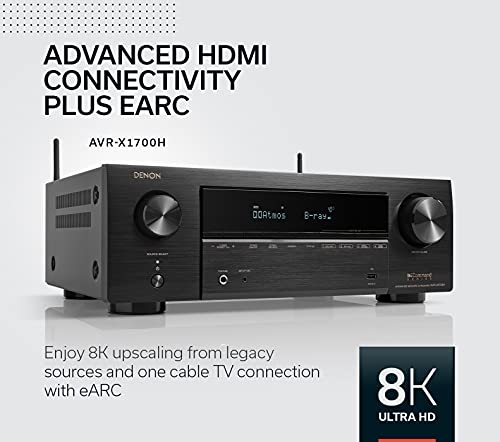
We find this receiver to be a very practical balance of modern video compatibility and immersive audio for mid-size rooms. Its software-driven convenience and HEOS ecosystem make streaming and multiroom setups painless, though power-hungry speakers or large rooms will expose its headroom limits.
Powerhouse Theater
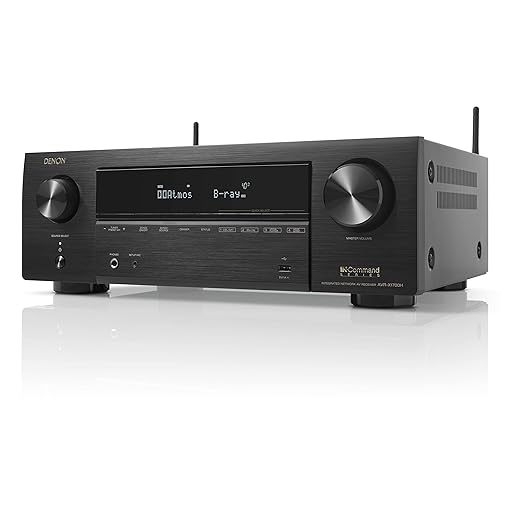
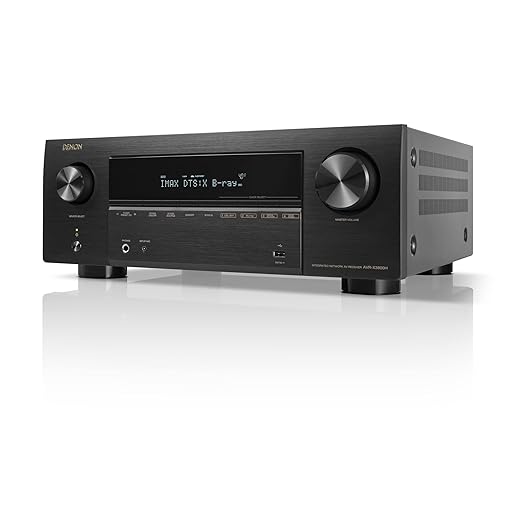
We see this as a serious step up for enthusiasts who want headroom, formats, and connectivity to future-proof a larger home theater. The extra processing, multi-sub capability, and expanded HDMI matrix justify the premium if you pair it with capable speakers; casual users may not need its full breadth.
Denon X1700H Receiver
Denon X3800H Receiver
Denon X1700H Receiver
Denon X3800H Receiver
Denon X1700H Receiver
Denon X3800H Receiver
How Dolby Atmos and DTS:X Actually Work — Object Audio in the Real World
Object-based basics
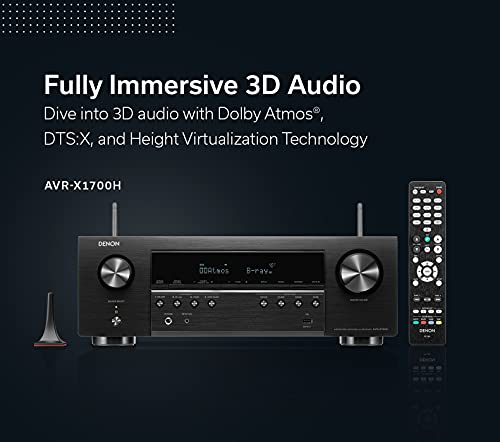
We start with the simple bit: both Dolby Atmos and DTS:X are object-based formats that describe sounds as objects in 3D space rather than fixed channel feeds. Dolby Atmos typically combines traditional channels with discrete object metadata; DTS:X leans harder on flexible, renderer-driven placement that doesn’t require fixed height channels. Practically, that means Atmos usually shines when you install dedicated ceiling or upward‑firing speakers, while DTS:X can produce convincing immersion on irregular or limited speaker layouts.
Rendering and speaker mapping
How those objects turn into speaker outputs comes down to the renderer. Atmos will try to exploit precise height channels when available, delivering striking overhead imaging. DTS:X will dynamically map objects to whatever speakers you have — useful if you can’t or won’t install ceiling speakers. For everyday users, the difference is usually about installation and content:

Why the receiver matters
Decoding is only half the story — the receiver’s DSP, channel count, and room‑calibration are what translate object metadata into a believable soundfield. Modern Denon AVRs decode both formats; the AVR‑X1700H gives a capable, virtualization‑friendly experience for modest setups, while the AVR‑X3800H offers more channels, power, and advanced formats (DTS:X Pro, IMAX, Auro‑3D) for full installs and larger rooms.


Feature Comparison Chart
Listening Experience: How the AVR-X1700H and AVR-X3800H Render Atmos and DTS:X
First impressions
We listened to the same Atmos and DTS:X mixes on both Denon units in the same room, swapping speaker wiring and levels between runs. The differences tracked predictably with channel count, power, and DSP flexibility: the AVR‑X1700H delivers satisfying immersion for small to medium rooms; the AVR‑X3800H scales that immersion into cinema‑like authority.
AVR‑X1700H — what it does well
Atmos tracks give a clear sense of overhead presence when you add ceiling speakers or upward‑firing modules. Imaging is precise, but the 80W per channel and 7.2 layout limit headroom during loud, dense passages — action scenes compress sooner and bass hits feel less authoritative. DTS:X often sounds more forgiving: its renderer adapts to imperfect layouts and preserves object motion without needing extra channels.
AVR‑X3800H — when extra power and channels matter
On the X3800H, Atmos breathes. The extra channels, 105W-per-channel output, and heavier DSP give wider, more stable imaging and stronger dynamics. Overhead effects lock in and stay defined at realistic listening levels; bass is tighter and dialogue cleaner thanks to better amplification and multi‑subwoofer options. The X3800H’s support for IMAX Enhanced, DTS:X Pro and Auro‑3D widens tonal choice for collectors.


Upmixing, virtualization, and calibration
Both receivers offer virtual‑height modes and upmixers, but their success depends on speaker quality and room treatment. The X1700H’s virtualization is useful for casual setups; the X3800H’s processing yields fuller, more convincing virtual height and stronger bass management. Proper room calibration is the single biggest factor in whether Atmos or DTS:X wins in practice.
Design, Setup, and Ecosystem Integration — Getting Sounding Right
Physical design and ergonomics
We found the X1700H deliberately compact: a lighter box, straightforward front-panel controls, and color‑coded rear terminals that make a quick hookup painless. The X3800H is physically bigger and heavier, with a deeper chassis and more generous spacing for speaker posts — it demands more rack space and airflow, but it’s built for cable‑dense installs and long listening sessions.
App-driven setup and calibration
Both receivers lean on Denon’s app/OSD guidance, but the X3800H brings a more complete room‑correction toolkit (Audyssey on this tier) and extra pre‑outs for bi-amping or multi‑sub setups. The X1700H’s guided on‑screen setup and HEOS app get most users up and running with fewer decisions — which matters if we just want a fast, reliable install.
Connectivity that matters today
8K HDMI and eARC aren’t marketing copy; they shape compatibility with modern consoles, TVs, and streaming boxes. eARC on both lets TV apps or connected game consoles pass higher‑bitrate Dolby Atmos/DTS:X to the AVR. The practical differences:
Ecosystem and voice control
Both support HEOS multiroom and the usual voice assistants (Alexa, Google, Siri), so streaming and smart‑home control are seamless. Where the X3800H pulls ahead is flexibility — it can be the hub for a mixed use case (gaming + movies + whole‑home audio) without the compromise that forces plug swaps or a second amplifier.
We weigh that added size and complexity against future‑proofing: the X1700H is simpler and cheaper; the X3800H makes complex Atmos/DTS:X setups noticeably easier to live with.
Price, Value, and Competitive Context — Which Format and Receiver Suit You?
Market snapshot: formats and content
We still see Dolby Atmos everywhere — streaming apps, Blu‑ray, and TVs all favor it, so it’s the safest bet for most buyers. DTS:X remains valuable for people who run unusual speaker layouts or who chase perceived fidelity differences and a smaller but dedicated catalog. Practically, Atmos wins on availability; DTS:X wins on flexibility.
Which Denon fits which buyer
The AVR‑X1700H ($~600) is our pick for buyers who want the quickest, lowest‑risk entry into object audio. It bundles Atmos and DTS:X decoding, HEOS, 8K HDMI, and easy setup at a consumer price point — ideal for small-to-medium rooms and first‑time immersive setups. The AVR‑X3800H ($~1,800) is for enthusiasts: more channels, 105W per channel, IMAX Enhanced and Auro‑3D support, extra pre‑outs and sub outputs — it unlocks Atmos and DTS:X in larger rooms and complex installs.
Competing models and why Denon matters
Competitors in these brackets include Yamaha’s MusicCast AVRs and Marantz’s SR series (Marantz shares Denon’s HEOS ecosystem). Yamaha offers strong room tuning and MusicCast multiroom; Marantz leans a bit warmer. What tips the scale for us is Denon’s consistent firmware updates, dealer support, and HEOS integration — that combination reduces friction over the long run.
Match your use case
We weigh cost, room size, and content habits — pick the X1700H for value and simplicity, the X3800H for power, flexibility, and future‑proofing.
Final Verdict
We conclude that Dolby Atmos is the practical winner for most buyers today: wider content libraries, broader device support, and simpler ecosystem integration make Atmos the default path to immersive sound. DTS:X remains a strong alternative — its flexible, channel-agnostic approach suits unconventional speaker layouts and collectors chasing specific releases — but it rarely beats Atmos for everyday streaming, gaming, and TV use.
For entry and mainstream buyers we recommend the Denon AVR-X1700H: it supports both formats, simplifies setup with HEOS and voice control, and offers excellent value. If you’re building a larger, more cinematic rig, buy the AVR-X3800H for extra power, channels, and future-proofing — it turns Atmos and DTS:X metadata into a more convincing, room-filling experience. Ultimately, Atmos wins for practical reasons, yet investing in the X3800H gives enthusiasts tangible returns in realism, scale, and upgradeability over the long-term.

Chris is the founder and lead editor of OptionCutter LLC, where he oversees in-depth buying guides, product reviews, and comparison content designed to help readers make informed purchasing decisions. His editorial approach centers on structured research, real-world use cases, performance benchmarks, and transparent evaluation criteria rather than surface-level summaries. Through OptionCutter’s blog content, he focuses on breaking down complex product categories into clear recommendations, practical advice, and decision frameworks that prioritize accuracy, usability, and long-term value for shoppers.