
We break down why console polish, seamless ecosystem integration, and controller-led UX now compete with PC’s modular power, generative‑AI assists, and cloud upgrades — and explain which of those shifts actually changes what we buy and play in 2026.
We’re still arguing about pixels, but the stakes are higher. We set the stage comparing PS5 Pro (2TB) and PS5 Slim Disc versus modern PC gaming, focusing on real-world experience, ecosystem trade-offs, and what changed since the last console generation.
Visual Powerhouse
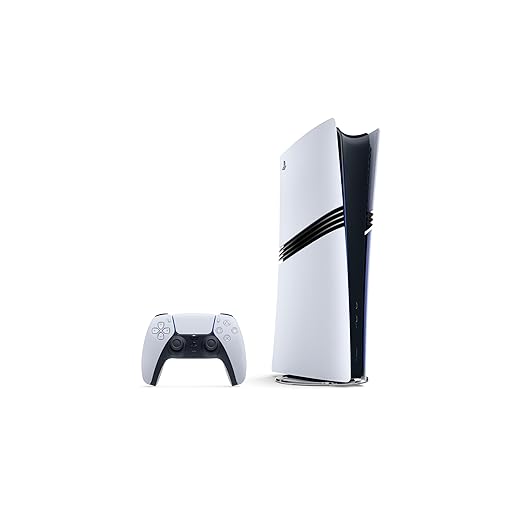
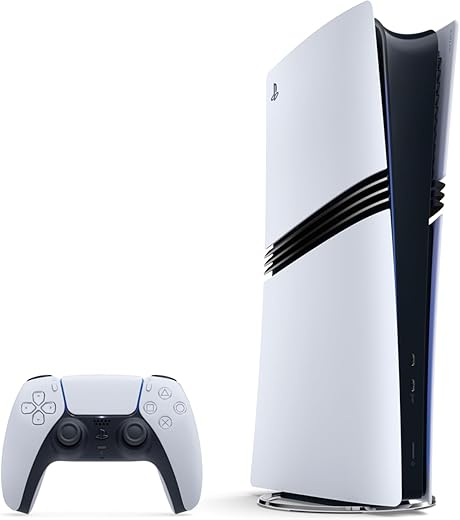
We found the Pro to be the clearest step forward for PlayStation visuals and frame-rate consistency — it’s the best PS5 experience if you prioritize fidelity and smooth performance. That said, the digital-only approach and premium positioning make it a narrower pick for people who value discs or lower upfront cost.
Disc Flexibility

We see the Slim Disc as the most broadly useful PlayStation for most people: it keeps the versatility of physical media and good performance in a smaller footprint. If you don’t need the top-tier visual uplift and prefer to keep your physical library or watch Blu-rays, this is the practical choice.
PS5 Pro 2TB
PS5 Slim Disc
PS5 Pro 2TB
PS5 Slim Disc
PS5 Pro 2TB
PS5 Slim Disc
Performance: Real-World Frame Rates, Load Times, and Visual Fidelity
We test how the PS5 Pro’s extra silicon and 2TB storage change the playing field versus the PS5 Slim Disc and midrange gaming PCs in 2026. This section breaks down raw GPU/CPU uplift, ray-tracing and frame-rate targets, upscaling tech (temporal vs spatial approaches), and how faster storage affects level streaming and load times.
Raw uplift: CPU/GPU and frame-rate targets
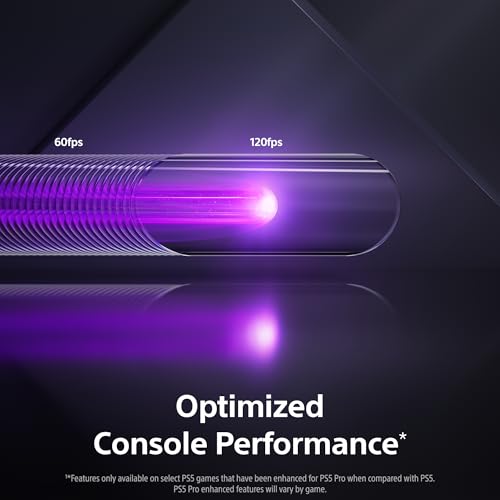
The PS5 Pro delivers a measurable GPU/CPU bump that pushes more games into stable 60fps and makes 120fps modes more consistent on supported titles. That means fewer hitches in competitive multiplayer and steadier frame pacing in open worlds. The Slim Disc keeps solid 60/120Hz support, but it’s more likely to dip under load in densely populated scenes.


Ray tracing, upscaling, and visual quality
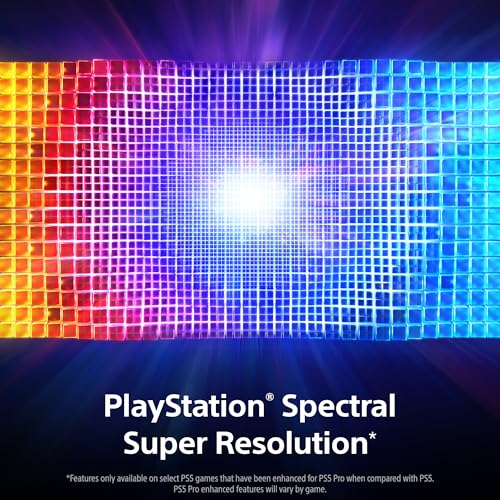
Pro-level hardware raises ray-tracing fidelity—sharper reflections and richer global illumination—while its “AI-enhanced resolution” tightens 4K output without a massive raw-GPU cost. The Slim relies on the base PS5 temporal upscaling and traditional reconstruction; visuals are good, but less detailed at the same frame target.


Storage, load times, and streaming behavior
2TB native SSD on the Pro reduces the need for juggling installs and external expansion. Faster, larger storage also improves texture streaming and reduces pop-in in streaming-heavy open worlds.
How consoles stack up against midrange PCs
Midrange PCs still win on peak frame rate and modular upgrades—swap a GPU, get a big uplift. They also benefit from advanced upscalers like DLSS/FSR variants and frame generation that can outpace console solutions. But the Pro narrows the gap: for most players, its combined GPU uplift, improved RT, AI upscaling, and bigger SSD deliver a “good enough” experience without the tinkering PCs require.
Feature Comparison Chart
Design, Noise, and Living-Room Fit: How the Systems Feel
Physical design and how they sit in your setup
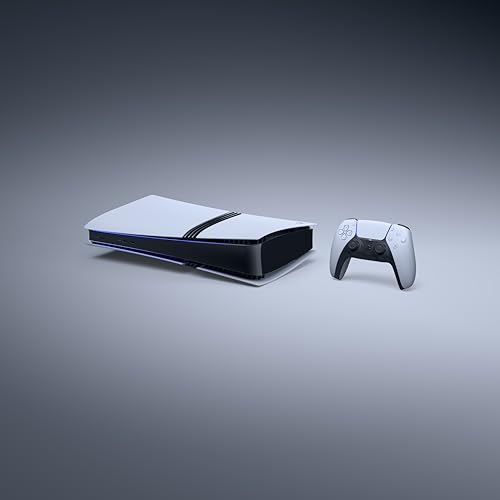
We judge consoles by how unobtrusive they are in a living room. The Slim Disc is the easier fit: lower profile and shallower footprint make it simple to slide under a TV shelf, and the built‑in disc drive is a clear win for collectors who want boxed games or 4K Blu‑ray playback without another device. If you value physical media, the Slim’s disc slot changes how you manage purchases and storage.


Thermal behavior and acoustics during long sessions
The PS5 Pro carries a larger heatsink and beefed‑up cooling to support its higher clocks and AI upscaling. Practically, that means cooler internals and quieter fans during demanding sessions—fewer spikes in fan noise when ray tracing or open worlds hit hard. The Slim runs warmer under sustained load and can sound a touch louder during long play sessions, especially in poorly ventilated cabinets. For living rooms where silence matters, the Pro’s thermal design is the advantage.

Controllers, accessibility, and UI flow
DualSense remains the centrepiece: haptics and adaptive triggers are unchanged in feel, while Sony’s system‑level accessibility options (button remapping, high‑contrast UI, text enlargement, voice features) have matured. Faster resume times and refined home navigation make switching between couch play and Remote Play more seamless, and the Pro’s larger SSD reduces interruptions when swapping games.
Quick takeaways
Ecosystem and Games: Exclusives, Backward Compatibility, and Services
We look at the content side: first- and third-party exclusives, backwards compatibility, VR2 support, and subscription services (PlayStation Plus tiers, cloud play) relative to PC storefronts and Game Pass-style models in 2026. We assess where Sony’s curated single-player catalog and platform features still beat PC convenience, and where the open PC ecosystem — mods, ultrawide support, and multitasking — remains decisive. This section explains how ecosystem lock-in, cross-play prevalence, and cloud/remote options influence long-term value and social play, not just the immediate game library.
First- and third‑party exclusives
Sony still leads on narrative, single‑player exclusives that are optimized for PlayStation hardware and DualSense features. Those curated experiences remain a primary reason to buy either PS5 Pro (for the visual uplift) or the Slim Disc (for collectors). The Pro’s extra GPU headroom means patched “Pro-enhanced” titles run smoother or look sharper than on a base PS5 or many laptops—tangible improvements for players who prioritize visuals and frame‑rate consistency.
Backward compatibility and VR2
Both consoles keep the PS4 library accessible and support PS VR2. The Pro’s extra performance gives developers more headroom for higher frame rates or fidelity in VR2 titles—an important factor for responsive VR comfort. Legacy PS3/PS2 support still largely depends on remasters or cloud ports, so PC emulation remains the most flexible backward‑compatibility route.
Subscriptions, cloud, and cross‑play
PlayStation Plus tiers continue to offer catalog and cloud streaming, but Microsoft’s Game Pass ecosystem remains the default for day‑one first‑party access on PC. Sony competes with a stronger curated catalog and full Remote Play for playing from your console to other devices. Cross‑play is common enough in shooters and sports that social lock‑in is weaker than it used to be.
Where PC still wins
We choose consoles for exclusive, polished single‑player work and ease of living‑room play; we choose PC for openness, customization, and long‑tail value.
Value, Longevity, and Which Should You Buy in 2026
Total cost of ownership
We look beyond sticker price. The PS5 Pro (2TB) bundles more storage and Pro-class silicon, which reduces early SSD upgrades and delivers immediate visual gains — but it’s a premium, digital‑only buy and usually costs several hundred dollars more than the Slim Disc (~$539). The PS5 Slim Disc is cheaper up front, adds 4K Blu‑ray and physical-game flexibility, but you’ll likely buy an extra SSD sooner. A gaming PC with similar 4K/120Hz performance costs more initially and needs peripherals, but it gives wider upgrade options and frequent sale-driven game discounts.
Upgradeability and ownership horizon
Consoles: expect a 5–7 year primary lifespan; Sony supports PS5 generation software for years, and Pro enhancements extend perceived value for visually demanding players. SSD expansion is supported but limited to approved modules.
PCs: component-level upgrades let us extend life beyond 7+ years; swapping GPU or adding NVMe SSDs is cheaper over time for sustained high-end performance.
Which fits which buyer
Environmental and software support considerations
We prefer hardware longevity and minimal churn. Consoles produce less frequent component waste but force generation-level upgrades; PCs create more parts turnover but let us replace only what’s needed. Through 2026 Sony’s first‑party emphasis and ongoing Pro patches mean both PS5 models retain platform relevance longer — the Pro simply stretches visual headroom further.
Final Verdict
We pick consoles as the best mainstream platform in 2026: the PS5 Pro is our clear winner for living‑room players who want higher frame-rates, native 4K, and 2TB storage.
For compact spaces or budget-minded buyers, the PS5 Disc Slim wins for design, disc support, and lower cost. Period.

Chris is the founder and lead editor of OptionCutter LLC, where he oversees in-depth buying guides, product reviews, and comparison content designed to help readers make informed purchasing decisions. His editorial approach centers on structured research, real-world use cases, performance benchmarks, and transparent evaluation criteria rather than surface-level summaries. Through OptionCutter’s blog content, he focuses on breaking down complex product categories into clear recommendations, practical advice, and decision frameworks that prioritize accuracy, usability, and long-term value for shoppers.