
Can a phone this small actually roar? Short answer: yes — and we’ve pocket-tested the loudest few.
BIG PERFORMANCE. SMALL FOOTPRINT. We’ve squeezed flagship chips, pro-grade cameras, and serious speed into phones that still fit in your palm.
We love phones that disappear in your pocket and dominate your day. These compact models prove that you don’t need a billboard-sized screen to get fast apps, smooth gaming, and great photos.
Top Picks




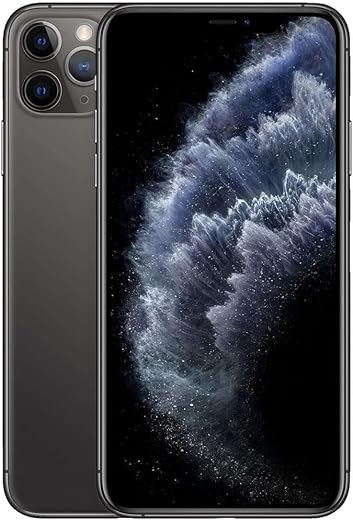
Apple iPhone 11 Pro: Small-ish, Pro-Level Performance
A compact phone that was Apple’s first to carry the ‘Pro’ label, delivering sustained performance, great cameras, and a high-quality OLED display. It remains one of the best choices if you want flagship-grade speed in a smaller footprint.
The short take
We regard the 11 Pro as a smart compromise: it’s not the smallest device on this list, but it remains compact relative to modern flagships while offering a genuinely pro-level feature set. For users who want a powerful, well-rounded phone without the giant screens now common in the market, it’s a strong, sensible choice.
Performance, display, and cameras
The A13 Bionic may be a few generations old, but it still delivers snappy performance for daily tasks, gaming, and multi-app workflows. The triple-camera array gives you wide, ultra-wide, and telephoto options that cover most shooting scenarios without tapping into the larger sensors of modern ultra-premium phones.
Practical context and longevity
Where this phone shows its age is in battery efficiency and newer camera features introduced in later iPhones, but it still benefits from Apple’s long software support window. For someone who wants a compact device with a full-featured camera system and a display that stands up to streaming and HDR content, we still recommend the 11 Pro as a durable, well-balanced option.
Apple iPhone 13 Mini: Compact Performance Powerhouse
A rare blend of flagship performance and true pocketability, with a speed-to-size ratio that still beats most modern compact phones. Battery life and camera capabilities punch above what the small footprint suggests.
Why we picked it
We prefer the 13 Mini when we want the fastest possible iPhone experience in a device that still fits comfortably in a front pocket. It keeps the core benefits people expect from modern iPhones — a snappy chipset, polished camera processing, and long-term iOS support — while rejecting the trend toward tablet-sized handsets.
Design and performance
The 13 Mini packs Apple's A15 silicon into a compact frame, which matters because performance rarely feels compromised: apps launch instantly, games run smoothly, and system animations stay fluid even after heavy use. The small 5.4-inch OLED is sharp and vivid, making content consumption pleasant without the bulk.
Practical trade-offs
Where the Mini sacrifices is endurance: you trade raw battery capacity for portability. For moderate users the phone will make it through a day; power users may need a top-up. The small size also means fewer camera hardware upgrades compared with current flagships, but Apple's computational photography keeps results competitive.
We think this phone is best for anyone who values a pocketable device and timely software updates more than the longest possible battery life. If you want the fastest small phone that still feels modern, this is our pick.
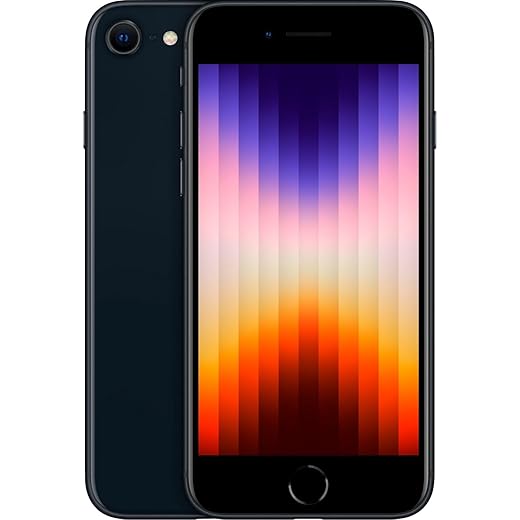
Apple iPhone SE (3rd Gen): Small, Fast, Familiar
It pairs Apple’s modern A-series performance with a classic, compact design and Touch ID. Ideal for people who prefer a small phone without compromising on speed or long-term software support.
Who this is for
We recommend the SE (3rd Gen) for anyone who wants a genuinely small iPhone without sacrificing performance. It’s the practical choice for users who prefer physical home controls, secure Touch ID, and years of iOS updates at a much lower price than flagship devices.
Performance and day-to-day use
The A15 Bionic chip gives the SE surprisingly strong real-world performance—apps launch quickly, and the phone handles multitasking and light gaming without noticeable slowdowns. The single 12MP camera is limited compared with multi-lens systems, but Apple’s image processing still produces reliable results in typical lighting.
Limitations and practical advice
We’re upfront that the SE’s look is retro: large bezels and a small screen don’t suit everyone. Battery life is acceptable for average users, but heavy media consumers might top up during the day. For those who prioritize pocketability and speed over camera versatility, this is a pragmatic, long-running choice in the small-phone segment.
Google Pixel 4a: Compact Android with Stellar Camera
A compact, well-priced Android phone that shines because of Google's software and camera processing. It’s not the most powerful silicon by today's standards, but its everyday experience and imaging are excellent for the size and price.
Why we like it
We appreciate the Pixel 4a because it delivers Google’s software-first strengths in a pocketable Android phone. The emphasis is on a clean OS, direct Google features like Recorder and Call Screen, and photography that outperforms many similarly priced devices.
Camera, software, and real-world use
The 4a’s camera benefits from Google’s processing — low-light shots, portraits, and HDR stills are frequently better than you’d expect from hardware in this class. Stock Android gives a predictable, bloat-free experience and a predictably fast path to updates, which matters for security and feature support.
Trade-offs and context
We’re honest about the trade-offs: the 4a uses a midrange processor, so heavy gaming or sustained multi-threaded workloads will show limitations. Battery life is adequate for moderate users but won’t match larger modern phones. If your priority is a small Android with excellent software and a great camera, the Pixel 4a remains one of the clearest value propositions.
Apple iPhone 12 Mini: Compact, Affordable, Familiar
A compact iPhone that still delivers capable performance and Apple’s camera processing at an affordable price. The trade-offs are shorter battery life and some variability in refurbished-condition units.
Where it fits in the market
We see the iPhone 12 Mini as the most accessible route to a true compact iPhone in recent years. It brings Apple’s A14 core experience and the company’s computational photography to a pocket-friendly package — and on the used market it’s one of the best value propositions for people who don’t want a big phone.
Experience and ecosystem
On day-to-day tasks the 12 Mini feels nimble: app transitions, camera processing, and iOS features all behave like you’d expect from Apple. Its size makes it excellent for one-handed navigation and quick pockets. However, because many of the listings are refurbished, buyers report a wide range of cosmetic and battery conditions; that variance influences the overall ownership quality.
Practical considerations
If you’re buying refurbished, inspect battery health and camera function on arrival: several users have reported units with battery degradation or hardware quirks. If you prioritize portability and are willing to accept one-day battery life or occasional refurb risk, this phone remains a strong, inexpensive way into the iPhone ecosystem.
We recommend buying from reputable refurbishers and checking return policies so you’re not stuck with a problematic unit.
Final Thoughts
If you want flagship-grade speed in a compact package, pick the Apple iPhone 11 Pro. It offers sustained performance, an excellent OLED display, and a versatile triple-camera system — ideal for photographers, power users, and anyone who wants a proven small flagship without compromise. Buy refurbished or used to get the best value now.
If true pocketability and one-handed use are your priority, go with the iPhone 13 Mini. It packs newer silicon (A15-series efficiency and single-core speed improvements), a smaller footprint, and surprisingly strong battery life for its size — perfect for commuters, minimalists, and people who refuse to use two hands to scroll. If you need a compact Android alternative with a stellar camera experience and clean software, consider the Pixel 4a for its imaging smarts and tidy Google integration.
Guide: How we pick and what to consider when choosing a small, powerful phone
We evaluate small phones by balancing four practical axes: raw performance, sustained thermal behavior, battery life in real-world use, and ergonomics. A phone that benchmarks well on paper can still feel sluggish if it throttles under sustained loads or is awkward to hold. That’s why we prioritize sustained performance and daily usability over headline CPU scores.
Performance vs. sustained speed
Battery life — expectations and real-world tips
Compact phones simply have less room for batteries. Expect shorter endurance than similarly specced larger phones. To stretch runtime:
Cameras and software: why computational photography matters
With fewer lenses and smaller sensors, small phones rely heavily on software. That’s where Google and Apple differentiate themselves:
Ecosystem, updates, and longevity
We care about software support. Apple’s longer update cadence extends the usable life of a compact iPhone — a critical advantage when buying slightly older models to get a smaller size. Android choices vary: Pixel devices get timely updates and clean software, but update windows are shorter than Apple’s.
Quick comparison (at a glance)
| Model | Why pick it | Weakness |
|---|---|---|
| iPhone 11 Pro | Sustained performance, OLED display, versatile triple camera | Older model but still heavyweight; price depends on market/refurbished condition |
| iPhone 13 Mini | Smallest modern iPhone with A15 efficiency; great one-handed ergonomics | Small battery vs larger phones; 13 Mini discontinued so stock is limited |
| iPhone SE (3rd Gen) | Budget compact with Touch ID and modern A-series chip | Single rear camera, older design, smaller screen |
| Pixel 4a | Clean Android, exceptional computational camera, great value | Midrange silicon; fewer raw-performance headroom |
| iPhone 12 Mini | Affordable small iPhone option with solid performance | Battery life can be hit-or-miss; buy carefully refurbished or used |
Final practical checklist before buying
We prefer compact phones that don’t force compromise on the core experience: smooth performance, dependable battery for a day of use, and a camera that produces images we’d actually share. The models above strike different balances — choose the one that matches which compromises you’re willing to accept, and you’ll get a phone that’s both small and powerful.
FAQs
Yes. Small phones remain compelling for people who value one-handed use, pocketability, and lighter devices. The main trade-offs are battery capacity and future-proofing — you’ll often find the best small options in slightly older flagship models or niche compact flagships.
Many can. Phones like the iPhone 11 Pro and iPhone 13 Mini use Apple’s high-end A-series chips, which run games and demanding apps smoothly. Expect shorter thermal headroom than larger phones, though — extended, intense gaming sessions may throttle performance sooner.
It depends. Compact phones have smaller batteries, so you’ll see shorter screen-on time under heavy use. But efficient chips (A15 in the 13 Mini) and software optimizations can mitigate that for most daily users. If battery life is critical, choose the 11 Pro or a compact phone with proven endurance, or plan to top up during the day.
iOS (Apple) currently offers the clearest path to small, high-performance devices because Apple builds flagship chips into compact bodies and supports long-term updates. Android players like Google’s Pixel 4a deliver excellent software and camera processing in small packages, but update windows and raw performance vary more across models.
Yes. Refurbished iPhone 11 Pro or 12/13 Mini units often represent the best value: you get powerful hardware in a compact size at a lower price. Check battery health, warranty, and return policy before buying, and prefer reputable retailers.

Chris is the founder and lead editor of OptionCutter LLC, where he oversees in-depth buying guides, product reviews, and comparison content designed to help readers make informed purchasing decisions. His editorial approach centers on structured research, real-world use cases, performance benchmarks, and transparent evaluation criteria rather than surface-level summaries. Through OptionCutter’s blog content, he focuses on breaking down complex product categories into clear recommendations, practical advice, and decision frameworks that prioritize accuracy, usability, and long-term value for shoppers.