

Why storage is the unsung upgrade you should care about
We cut through the specs: a storage upgrade isn’t just bigger numbers on a sheet. It changes how devices feel — snappier apps, shorter waits, smoother large-file work. Those shifts shape everyday experience.
We’ll show how speed and capacity ripple into design trade-offs like size, heat, and battery, and how storage ties into backups, cloud sync, and cross‑device workflows. We’ll map where upgrades most improve productivity and creative work, from editing timelines to VM responsiveness.
Finally, we’ll frame the decision: cost, longevity, and the competitive landscape. This is a practical, user-focused guide — not a chip-level deep dive — so you can decide what upgrade actually matters to you today.


How storage changes the way devices feel: latency, responsiveness, and perception
We often treat storage as a spec to tick off and then forget. But storage characteristics — latency, queue depth, sustained throughput — are the variables that determine whether a device feels instant or sluggish. Here we translate those terms into things we notice every day.
Latency vs throughput: what we actually feel
Latency is the start-up kick: how fast the drive can fulfill a random I/O request. That’s what makes the OS, apps, and UI feel snappy. Sustained throughput is the steady highway speed used for big files — exporting video, copying photo libraries. Queue depth describes how many requests the drive can juggle at once; higher queue depths mean better multitasking under load.
In practice:
When snappiness matters more than raw CPU
We’ve upgraded machines for faster CPUs and GPU cores, only to find the whole system still feels sluggish because the storage can’t keep up. For everyday interactions, a modest CPU with a fast NVMe drive will feel quicker than a beefier CPU with an HDD or a low-end SATA SSD. That’s why we often perceive storage upgrades as higher-impact than incremental processor bumps.
Real-world moments where storage speed directly affects satisfaction:
Flash vs spinning media: a stark difference
Flash (SATA SSD, NVMe PCIe) reduces latency by orders of magnitude compared to HDDs. NVMe drives (PCIe 3.0/4.0) offer lower latency and higher queue handling than SATA SSDs, and PCIe 4.0 drives add extra sustained throughput that matters for large media projects. For many users, the shift from HDD → SATA SSD → NVMe is the most noticeable progression in device feel.
Practical tips: what to upgrade and how to optimize
A relatively small improvement in I/O characteristics can transform a device from “tolerable” to “delightful,” and once we feel that difference, it dominates our judgment of the whole system’s quality — a fact manufacturers increasingly bank on.
Design trade-offs: capacity, thermals, and the physical footprint
Storage isn’t just a spec on a sheet — it’s a physical component that forces design choices. As we evaluate devices, we need to look past capacity numbers and ask how the drive shapes the whole product: thickness, cooling architecture, battery, and even how loud it sounds under load.
Thinness vs capacity: the packaging problem
Manufacturers chasing thinness often sacrifice upgradeability and usable capacity. A blade-style M.2 NVMe fits in ultrabooks, but packing multiple 2.5″ bays (or larger SATA drives) means a thicker chassis. That’s why machines like the Dell XPS 13 or MacBook Air keep user-accessible M.2 slots — sometimes soldered down — while gaming laptops (Razer, ASUS ROG) accept larger drives at the cost of bulk.
Heat, power, and the acoustic personality
Higher-performance NVMe drives (Samsung 980 Pro, WD Black SN850) deliver impressive throughput, but they also put heat into a compact chassis. In thin laptops that lack headroom for big heatpipes, that heat either throttles the drive or gets shuttled to fans, raising noise. We’ve seen NVMe drives jump 20–30°C under sustained loads and push fan curves into audible territory during video exports or game installs. PCIe 4.0 drives can be more power-hungry too — which nudges battery life down when under heavy I/O.
Modular vs soldered: repairability and future-proofing
There’s a clear trade-off between repairability and industrial design. Modular M.2 slots let us upgrade capacity later or replace a failing drive — a big win for value and sustainability. Soldered storage helps manufacturers shave millimeters and improve rigidity, but it turns storage into a disposable spec. The Framework Laptop and some ThinkPad models show the alternative: user-replaceable storage that keeps devices useful longer.
Practical guidance: pick with intent
Design choices about storage aren’t abstract. They shape how a device looks, feels, and lives in our daily workflow — and they should influence what we pay for today and how we plan for tomorrow.
Ecosystem integration: backups, cloud sync, and workflows that span devices
We broaden the frame to the surrounding ecosystem. Upgrading storage isn’t only local; it changes how we rely on cloud sync, local backups, and the way files move between phone, tablet, and laptop. The right drive shifts our default habits — from “leave everything in the cloud” to “keep the working set local and sync only what matters.”
Local capacity reduces cloud friction
When we have roomy internal storage, we stop treating the cloud as the only place for our files. That matters when bandwidth is flaky: a 4K video project or a full RAW photo library stored locally means we can keep editing on a plane or in a café without waiting for downloads. Faster NVMe drives also make local caches behave like instant-access sandboxes for apps (Lightroom’s cache, virtual machines, or browser profiles), so we spend less time watching progress bars.
Fast local storage complements cloud caching
Cloud services have gotten smarter — OneDrive Files On‑Demand and Dropbox Smart Sync let us see placeholders for everything while downloading on use. But those systems work best when they can quickly fetch and cache files on a fast local drive. In practice, we keep active projects on NVMe or a rugged external SSD (SanDisk, Samsung T7/T7 Shield) and leave archives in cold cloud storage. That hybrid approach cuts monthly egress costs and reduces latency.
Bundles, tiers, and the business side
Manufacturers and platforms nudge us toward certain behaviors: drives come with migration and monitoring tools (Samsung Magician, WD Dashboard), and ecosystems push cloud subscription tiers that map to hardware sizes. We should read those prompts as design choices — not inevitabilities — and pick storage that minimizes long-term subscription bloat.
Practical steps we can take today
How we set up synchronization and backups today determines whether an upgrade feels luxurious or essential. In the next section we’ll look at where those choices show the biggest returns — the productivity and creative workflows that benefit first from better storage.
Productivity and creative workflows: where storage upgrades pay off first
We map storage improvements to the tasks we actually do every day. Upgrading capacity or throughput doesn’t just change benchmarks — it shortens iteration cycles, removes friction, and alters how we structure projects.
Video editing: scratch disks and export times
Video is the obvious win for faster storage. High-bitrate codecs and intermediate formats (ProRes, DNxHR) can consume multiple gigabytes per minute, and exports are disk‑bound as much as CPU/GPU‑bound. A dedicated NVMe scratch disk (PCIe 3.0/4.0) cuts timeline scrubbing lag and dramatically reduces export staging. If you edit 4K ProRes projects, we recommend keeping active projects on 1–2 TB of fast NVMe and archiving completed projects to cheaper SATA SSD or cold cloud.
Photography: catalog responsiveness and previews
Raw photo libraries are capacity-heavy but also I/O‑sensitive. Large Lightroom catalogs benefit from low-latency NVMe for previews and cache; raw files can live on a high-capacity SATA SSD or NAS. Rule of thumb: if your library exceeds ~20–30k RAWs (roughly 1 TB depending on camera), move older years to an archive drive to keep the catalog snappy.
Software development and virtual machines
Build systems hit storage differently — lots of small file reads/writes and metadata ops. NVMe cuts clean builds by minutes and makes incremental builds feel instantaneous. For VMs and containers, allocate 512 GB per active VM at minimum; for multiple concurrent VMs or local Kubernetes clusters, 1 TB+ of NVMe keeps us from swapping to slow storage and losing hours to I/O waits.
Gaming: capacity first, speed for load times
Games are capacity-hungry (100+ GB titles are common). For most gamers, a 1 TB+ SSD is the practical baseline. If you want near-instant load times on laptop builds, an NVMe internal drive or Thunderbolt NVMe external (Samsung X5, LaCie Rugged SSD Pro) makes a perceptible difference — but for many users, a fast SATA SSD like the Samsung T7 or SanDisk Extreme Portable pairs the best mix of price and convenience.
Where capacity matters more than raw speed
Prosumer devices and upgrade paths
High-end laptops (MacBook Pro, XPS, Razer) often treat storage as a feature, soldering or offering limited upgrade options. That pushes enthusiasts toward external NVMe over Thunderbolt or a fast NAS solution instead of costly factory upgrades.
Practical checklist:
Next, we’ll weigh these workflow benefits against cost, longevity, and the competitive choices manufacturers make when they price and configure storage.
Cost, longevity, and competitive context: making the upgrade decision
We wrap up the practical sections by answering the question everyone asks: should we upgrade storage now, or wait? The right choice depends on total cost of ownership, how long you plan to keep the device, and what alternatives you’re willing to accept.
Up‑front cost vs. resale and long‑term value
Manufacturers price storage aggressively — doubling internal capacity can cost hundreds of dollars, but that option often carries a resale premium later. In practice, higher‑capacity MacBooks, Surface devices, and premium Windows laptops tend to retain value better because buyers prize ready‑to‑use storage. We’ve seen owning a larger‑storage model reduce the pain of selling and buying down the line, especially if you keep a machine 3–5 years.
If you buy the base model and tack on cloud subscriptions and external drives, you’ll often spend less initially but more in aggregate over time — and you’ll trade convenience. Think of the premium as insurance against the friction of running out of space.
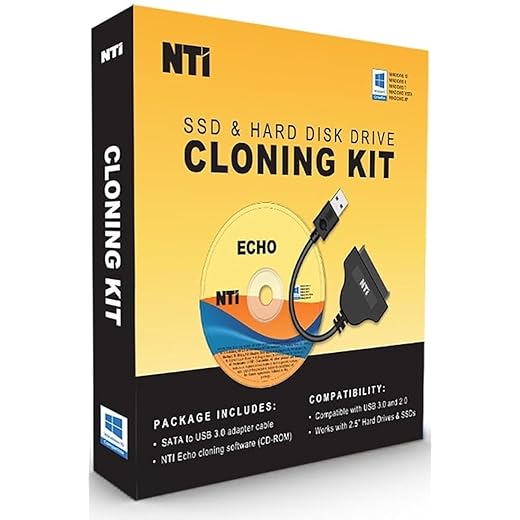
Internal vs. external vs. cloud: the trade-offs
Choose internal if you value speed and resale; choose external if you need flexibility; choose cloud for archive and collaboration.
Reliability, warranty, and replacement realities
SSD endurance (TBW) and warranty lengths vary. Mainstream consumer SSDs (Samsung 970/980 series, Crucial P5) usually offer 3–5 year warranties. For mission‑critical work, prioritize drives with higher endurance ratings or enterprise variants. Also check whether upgrading your internal drive voids warranty — on many modern laptops (notably recent MacBooks), storage is soldered or service restricted, pushing us toward external solutions.
Who should upgrade now
Next, we’ll pull these threads together and explain how to make storage a deliberate part of your purchase strategy.
Make storage a deliberate choice, not an afterthought
We’ve shown that storage shapes how devices feel, how they are designed, how they plug into our ecosystems, and how they sustain creative and productive work. That matters because speed versus capacity influences daily frustration, thermal trade‑offs, and whether a device fits our workflows across cloud, backup, and machines. In today’s market those trade‑offs are faster flash changes expectations; larger drives change habits.
Checklist to decide: Do we need snappy responsiveness or massive archives? Are backups and cloud sync in place? Will thermals or size constrain mobility? What’s the upgrade cost versus expected lifespan? If most answers favor speed or longevity, upgrade now; if capacity and budget dominate, plan a hybrid approach.

Chris is the founder and lead editor of OptionCutter LLC, where he oversees in-depth buying guides, product reviews, and comparison content designed to help readers make informed purchasing decisions. His editorial approach centers on structured research, real-world use cases, performance benchmarks, and transparent evaluation criteria rather than surface-level summaries. Through OptionCutter’s blog content, he focuses on breaking down complex product categories into clear recommendations, practical advice, and decision frameworks that prioritize accuracy, usability, and long-term value for shoppers.