A small change with a big visual payoff
What if a single upgrade in the streaming chain made video look noticeably sharper without changing the source? We’ve seen that happen: a codec and processing tweak that improves perceived detail, color, and motion on real displays.
In this product reviews piece we explain that upgrade and why it matters now. We focus on the things people actually notice in their living rooms — edges, texture, motion clarity — not abstract bitrate numbers. We’ll cover how hardware and software choices change the result, which platforms support it, and how to judge whether to upgrade your TV or streamer.
This is practical analysis for buyers and tinkerers who want crisp, cleaner-looking streams today. Expect clear, concise upgrade guidance.


What the upgrade actually is: more than a higher bitrate
We start by defining the upgrade in practical, user-facing terms. The change that makes streaming look distinctly sharper today isn’t just “more bits.” It’s three coordinated improvements that operate at different points in the streaming chain: a modern codec with hardware-accelerated decode, smarter encodes on the service side, and better client-side processing that preserves — rather than obliterates — fine detail. When those three things line up, the picture gains convincing edge definition, textile texture, and fewer blocky artifacts in motion.
The three components, and why each matters
What to look for in real devices and services
Practically speaking, we want three checkboxes
Quick how-to for better-looking streams today
- Check your device spec sheet for “AV1 hardware decode” or “modern codec support.”
- Use the platform’s official app (services tend to enable advanced profiles there first).
- Prefer devices with chipsets from the latest TV/streamer generations — that silicon usually includes dedicated decoder blocks and optimized video pipelines.
Seen on a midrange TV or newer streamer, these changes deliver a surprisingly crisp upgrade: edges stay intact during motion, faces keep texture, and complex action scenes stop collapsing into mush. Next, we’ll show what those perceptual improvements actually look like in everyday viewing and how to spot them.
What we actually see: perceptual improvements and the viewer experience
We want to be precise about the visual differences. Sharper streaming is not just about more pixels; it’s how those pixels are used to preserve edge definition, texture, and motion clarity. Below we break down the specific, noticeable changes and give practical ways to confirm them in your living room.
Sharper where it counts
When the upgrade is applied, lettering and fine edges tighten up — think subtitles, on-screen graphics, and the weave of a sweater. Shadows reveal texture instead of collapsing into flat black, and fast pans keep their detail instead of turning into smeared streaks. Color gradation is smoother too: subtle shifts in skin tone or a sunset band don’t posterize, because modern encodes and hdr.
Scene-by-scene: sports, dramas, HDR cinema
Practical limits and pitfalls
Not all improvements are automatic. Tiny bitrate bumps won’t help if the client applies aggressive temporal denoising — that smooths both noise and real fine detail. Neural sharpening can boost perceived acuity, but if overdone it creates halos and plastic textures. Also, low-quality upscalers or TV picture modes that add oversharpening will make things look “crispy” but unnatural.
UX and testing: how to confirm the upgrade
These are the visible changes that make streaming look objectively sharper — next, we’ll dig into why the hardware and box-level design matter.
Design and hardware implications: why the boxes and displays matter
Why the SoC and hardware decoders matter
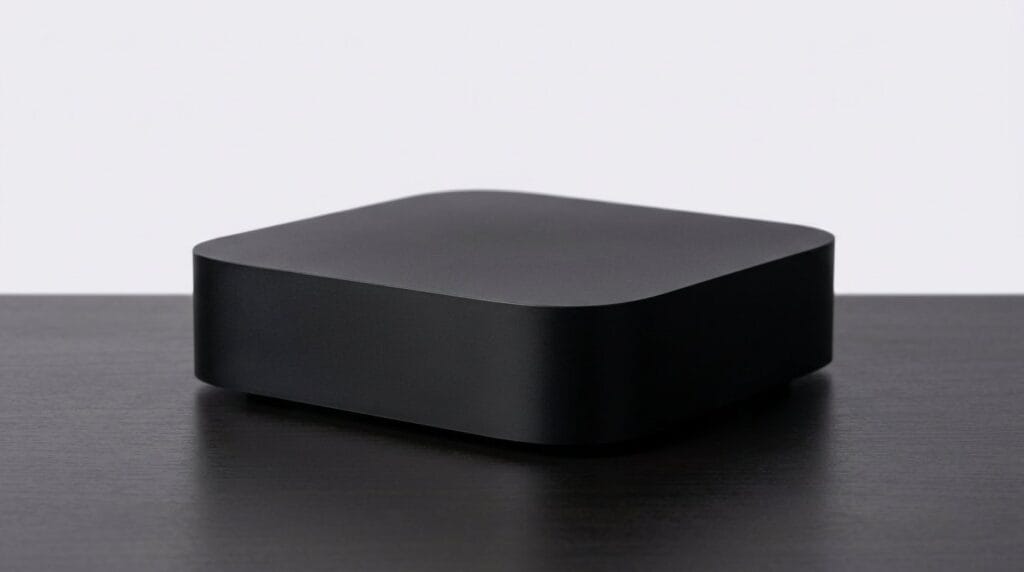
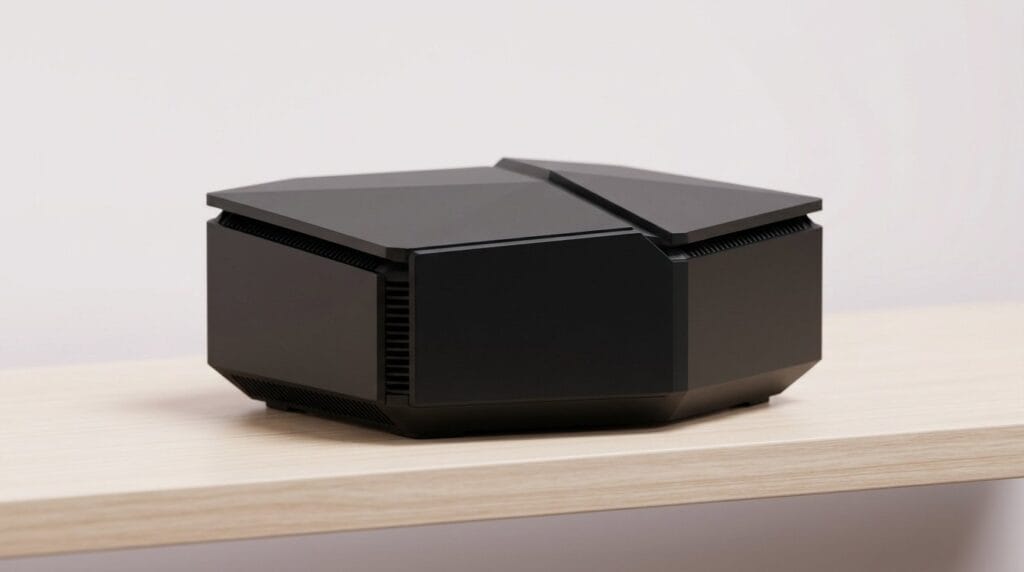
Modern codecs (AV1, HEVC, Dolby Vision) are only useful if the device can decode them efficiently. We’ve seen devices with beefy CPUs struggle to keep up when decode is done in software — frames drop, the UI stutters, and the picture can get chunkier as the system thermally throttles. Hardware decoders on a newer System-on-Chip (SoC) not only enable playback of the latest streams, but they do it with lower latency and far less wasted power. Practically, that means a newer streaming stick or set-top box will often look and feel better than a last-gen model plugged into the same TV.
Thermals, power draw, and sustained picture quality
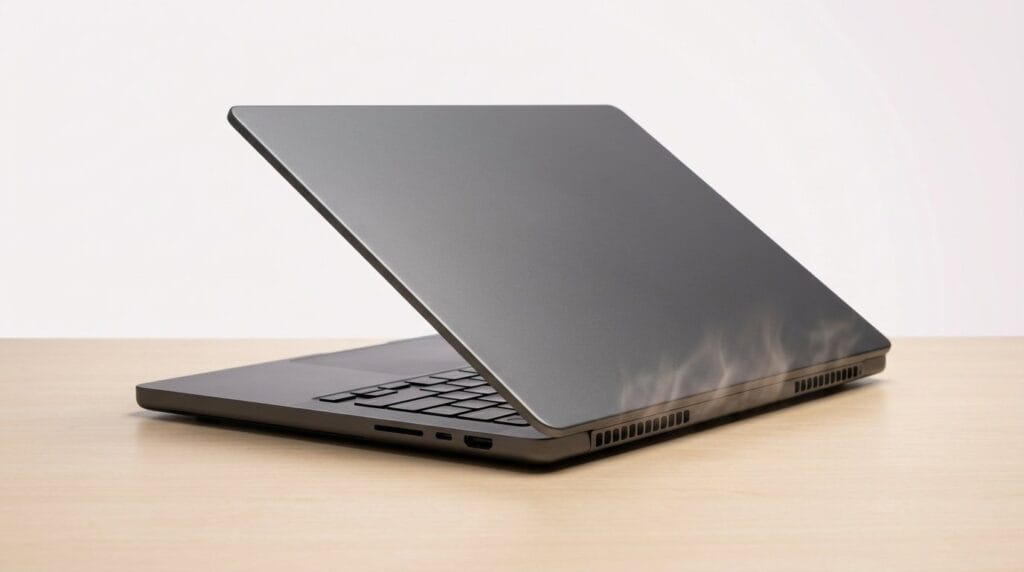
Design teams are balancing peak performance against heat and battery limits. A compact stick with a weak passive cooler might hit high temperatures during a long 4k HDR sports match and throttle back — the result is lower frame-rate stability and softer motion. Devices with larger SoCs, active or better-passive cooling, and hardware-accelerated pipelines keep quality consistent over multi-hour sessions. For energy-conscious buyers, hardware decode is also kinder on power bills and on-device longevity.
Why the TV’s silicon and firmware matter more than raw pixels
A TV with more processing headroom for tone-mapping, color management, and dynamic metadata will frequently outperform a higher-resolution set that mishandles HDR or botches color pipelines. We’ve seen midrange TVs with thoughtful firmware preserve highlight texture and skin tones better than pricier models that overdo noise reduction or apply aggressive sharpening by default. Look for TVs that list Dolby Vision/ HDR10+ tone-mapping support and regular firmware updates.
UX trade-offs: presets, automation, and service ties
Vendors make visible choices for the majority of users: conservative “Movie” modes preserve detail, while “Vivid” or “Dynamic” looks mask artifacts at the cost of natural texture. Smart UX features — automatic mode switching for games, per-app picture profiles, and service-specific optimizations — can make an upgraded stream actually look better without manual fiddling. We recommend checking whether a device supports per-app settings and automatic HDR handling before upgrading.
Choosing the right upgrade path
If you want immediate gains at low cost, a modern stick or box with AV1/Dolby Vision hardware support and good cooling is often the best bet. If your TV is years old and lacks advanced tone-mapping, a TV upgrade (or careful firmware) may be worth waiting for. In the next section, we’ll map who supports these features today and how apps deliver the upgraded streams.
Ecosystem and compatibility: who supports it and how apps deliver it
A great upgrade in silicon is useless without ecosystem buy-in. We look at the distribution-side realities that actually determine whether you get that sharper stream: encoding toolchains, CDN capacity, DRM constraints, and the simple fact that apps must ask for the new stream.
Encoding, CDNs, and the economics of bits
Streaming services don’t just “flip a switch.” They re-encode catalogs, build new ABR ladders, and push heavier files across CDNs that already run near capacity during peak hours. Big vendors use per‑title encoding (Netflix, Amazon) to decide where extra bandwidth buys visible gains; that’s why some movies get conspicuously better renditions while other catalog fare looks unchanged. Edge capacity matters too — if delivering the higher-profile stream risks rebuffering for many users, services will favor conservative fallbacks.
DRM and app-level gating
Beyond codecs, DRM is a gating factor. High-quality profiles often require secure decoding paths and specific DRM attributes (Widevine/PlayReady/FairPlay levels). A service may encode a superior stream but only allow it to play on apps and devices that present the right DRM flags, leaving older boxes on legacy streams. That’s why you’ll sometimes see “4K HDR available on select devices” in a provider’s FAQ.

Platform control and fragmentation
Platforms that control both hardware and software can move fastest: Apple (tvOS + Apple TV), Google (Chromecast + Google TV), and TV makers with integrated OSes can certify hardware, push firmware, and coordinate app updates. Open ecosystems — where apps run on many different boxes and TVs — inevitably fragment. The outcome: the same title can look different on different devices, even from the same service.
Content owners and prioritization
Who pays for the encode matters. Live sports leagues and recent theatrical releases often get priority: the league or studio wants the best-looking feed and will foot higher encoding/CDN bills. Back-catalog sitcoms and long-tail content get the minimal ladder that’s “good enough.”
Standardization, testing, and what to watch for
Services use reference clips, ABR ladders, and perceptual metrics (VMAF and siblings) to guide investments and to validate that a new profile actually improves human perception. For consumers, that means:
Next, we’ll turn those observations into practical buying steps: when to upgrade, what specific hardware to choose, and what to expect during the transition.
Practical advice: when to upgrade, what to buy, and what to expect
We close the analysis with hands‑on guidance. Upgrading makes sense when three boxes are checked: your display can benefit, your apps request the new streams, and your network can carry the peaks. Below are practical rules, shopping tips, and quick tests to help us decide.
When to replace the TV vs. the streamer
If your TV is recent (good panel, HDR capable, accurate tone‑mapping) and only the box feels old, buy a new streamer first — it’s cheaper and often fixes codec/DRM gaps. Replace the TV when:
Typical buys: try a new streaming stick (Chromecast with Google TV, Amazon Fire TV Stick 4K Max, Roku Ultra) before upgrading to an LG/Sony/Samsung OLED or Neo QLED set.
Features to prioritize
Evaluate firmware and app roadmaps
Check vendor support pages and app release notes. Devices that control both hardware and software (Apple TV, Google Chromecast, Roku’s top models) typically get faster support. If your device has a recent firmware roadmap promising AV1 or HDR fixes, a wait-and-update strategy may be enough.
Simple tests to run at home
When to wait
Hold off if the apps you use haven’t announced support, your ISP’s peak congestion ruins higher‑bitrate streams, or your current device is slated for a firmware fix.
With those checks and tests behind us, we can confidently weigh the visible gains against cost and complexity as we move to the article’s final takeaways.
A visible improvement that depends on the whole chain
We’ve shown that the upgrade that makes streaming look sharper isn’t a single spec bump but the coordinated handoff between codecs, encoder practices, device silicon, and app implementation. When those pieces line up, detail and texture are preserved in a repeatable way; when they don’t, higher bitrates feel wasted. That matters now because manufacturers and services are moving at different speeds, so purchase choice affects results more than numbers.
Our advice is pragmatic: evaluate ecosystem fit first — which apps you use, which boxes and TVs support the codec and quality modes you care about — and then upgrade. Pick combinations that prioritize detail preservation, and you’ll see the payoff nightly.
Frequently asked questions
What is the main point of “The Upgrade That Makes Streaming Look Sharper”?
This piece explains where the upgrade that makes streaming look sharper matters in real buying decisions—not just headline specs. We focus on trade-offs, who benefits most, and what to verify before you spend.
Who should read this the upgrade that makes streaming look sharper guide?
Read it if you are actively shopping, upgrading, or trying to separate marketing claims from day-to-day use. Skip it if you already own the gear and are not planning a change this season.
What changed recently around the upgrade that makes streaming look sharper?
Prices, firmware, and feature tiers shift quickly in this category. We call out what is new enough to affect your decision and what is incremental hype you can safely ignore.
How should I use this editorial when buying?
Treat it as context before you compare models: note the risks and priorities here, then cross-check specs and current pricing on the picks that match how you actually use the product.
What is easy to get wrong about the upgrade that makes streaming look sharper?
Buyers often overweight one spec—brightness, speed, or brand—and underweight fit for their room, ecosystem, or warranty support. We flag the mismatch we see most often in reader questions.
Where should I go next after reading?
Use the related comparisons and top picks linked near the end of this article for model-level shortlists, then confirm return policies and compatibility with the devices you already own.

Iqra Jumar is Option Cutter's editorial writer. She writes practical editorials and buyer guides that focus on real-world upgrades—better Wi‑Fi, cleaner cable setups, smarter streaming, and everyday fixes—not spec-sheet noise alone. Her work helps readers decide what to change now, what to skip, and why.