
Sit Smart: Will this chair save your spine — or just make back-to-back Zooms bearable?
We refuse to accept that long workdays must equal a sore back. After another eight-hour marathon of meetings, code, or creative work, we know the difference a chair makes. Pain-free focus is not a luxury. It’s the baseline.
We tested chairs that promise breathability, lumbar support, and real, long-term comfort. We looked at design, how they fit into modern setups, and how easy they are to live with day after day. What matters is not just fancy tech — it’s whether a chair keeps us comfortable, alert, and moving.
Top Picks
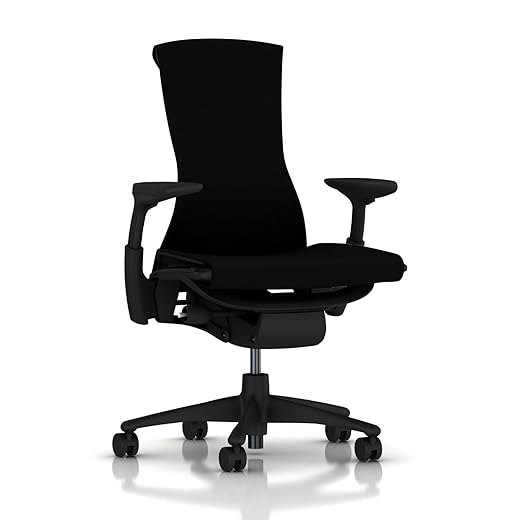


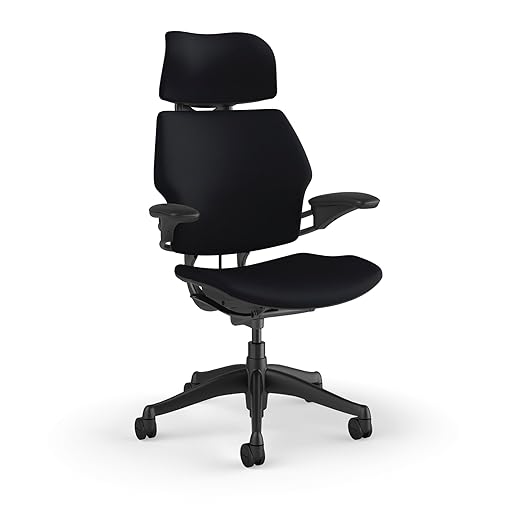

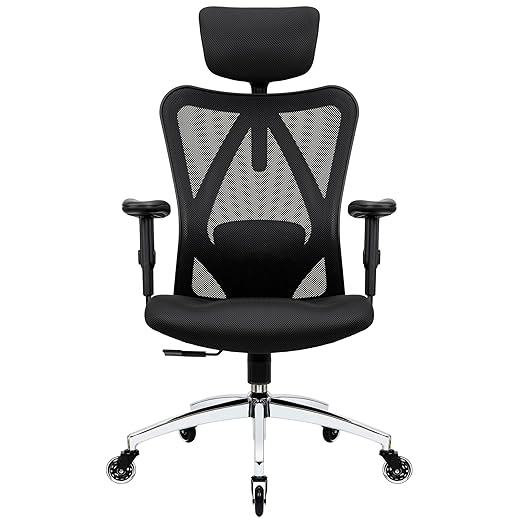

Herman Miller Embody Fully Adjustable Ergonomic
A design-forward chair that emphasizes micro‑movement support and pressure redistribution to keep users comfortable and alert. Its layered, pixelated seat system is especially good for people who shift position a lot during the day.
What the Embody aims to solve
We view the Embody as a tech‑led approach to seating: instead of relying on thick padding or static lumbar pads, it distributes support across a dynamic matrix. That matters because long hours at a desk are not about a single posture but about many micro‑movements; the Embody’s design prioritizes support that adapts rather than forces you into one position.
Standout design and experience
In practice, we found this chair excels for users who alternate between focused and relaxed postures; it encourages movement rather than locking you in place. There’s an upfront learning curve — it asks you to use its controls during the day — but once tuned it reduces the need to constantly fidget. Compared with other premium chairs, Embody’s aesthetic and visible functional layers make its engineering part of the experience.
Market context and tradeoffs
The price puts this in the premium tier where buyers expect long warranties and service. Shorter users may feel some pressure in the seat edge until they experiment with seat depth and height. In a market crowded with high‑end options, Embody stands out for its research‑driven approach to circulation and focus, which is why we recommend it for people who sit long hours and can justify the investment.
Herman Miller Aeron Size B Executive
A benchmark in mesh seating that balances breathability and long‑term lumbar support. It rewards time spent dialing in tension and height with sustained comfort during long workdays.
Why we consider this a classic
We appreciate chairs that solve a simple problem really well: keep a person supported and cool across an eight‑plus hour day. The Aeron hits that mark with the pellicle mesh and a set of adjustments that reward thoughtful setup. In markets where breathability and minimal padding matter (hot rooms, long sessions), it still sets the standard.
Key features and how they help
We found the controls intuitive once you spend a few sessions tuning them, and the chair’s minimal aesthetic integrates into corporate and home setups alike. The stainless‑steel finish and robust base communicate quality; the trade‑off is the price and the variability of open‑box condition. For someone who spends long hours seated and values breathable support, the Aeron remains one of the few chairs that feels like a long‑term investment.
Practical notes and limitations
We recommend spending time iterating on the tension and lumbar placement — small adjustments materially change comfort over an afternoon. If you’re buying an open‑box unit, inspect caster condition and frame scratches and be prepared to return if the item shows signs of heavy use. In a competitive field, Aeron’s ecosystem (replacement parts, familiar ergonomics) is a big plus that often justifies the cost.
Steelcase Leap Fully Adjustable Ergonomic Chair
A highly configurable chair that adapts to many body types and work styles without fuss. Its LiveBack technology and Natural Glide system keep posture intact whether you’re leaning in or reclining.
Why Leap is a frequent recommendation
We often default to the Leap because it balances customization, durability, and predictable performance. For many people the knee‑jerk choice is look‑and‑feel, but Leap’s strength is that its adjustments are meaningful — seat glide, lumbar firmness, and arm articulation all work together to keep your torso and neck aligned as you change positions.
Features that matter day‑to‑day
On the desk, the Leap is unobtrusive: it doesn’t demand aesthetic attention but quietly delivers long‑term comfort. The chair’s ability to handle a wide range of users makes it a solid single‑chair solution for mixed‑use environments (home office shared between people, small studios, hybrid setups). Compared to some competitors, Leap’s adjustment taxonomy is intuitive and durable.
Where it sits in the market
If you compare it to the Aeron or Embody, Leap is less sculptural but more universally adaptable. We recommend it for people who want one chair that will probably fit their needs for years without micro‑managing every knob. Expect to pay a premium, but consider that the ergonomics can reduce visits to therapists and improve daily comfort — a practical tradeoff in our view.
Steelcase Gesture 360‑Degree Arm Ergonomic Chair
Designed for people who use multiple devices and change postures frequently, it supports a wide range of arm positions and keeps the upper body supported. The arm system is the real differentiator in day‑to‑day use.
What makes Gesture different
We see Gesture as Steelcase’s response to how people actually work today: on laptops, tablets, and phones interchangeably. The 360‑degree arm system and the contoured back are explicitly designed to accommodate those transitions, so the chair supports your shoulders and neck across a variety of postures.
Practical features and benefits
Using Gesture feels like having a chair that anticipates typical modern tasks — we noticed fewer shoulder tugs and less neck crane when moving between a phone and a laptop. It’s particularly useful for people with L‑shaped desks or multi‑monitor setups where arm positioning matters. The downside is the visual and physical footprint: it occupies space and commands attention on camera during video calls.
Competitive context
Compared with Leap, Gesture prioritizes upper‑body ergonomics and multi‑device support. Both are excellent, but your choice should be shaped by how often you shift hand positions versus how much you need dynamic lumbar or seat adjustments. For device‑heavy knowledge workers, Gesture is hard to beat.
Humanscale Freedom Headrest Ergonomic Chair
A minimal‑control chair that uses counterbalance to provide automatic recline and head support, making it easy to sit comfortably without constant adjustment. The headrest is a notable benefit during long video calls or reading sessions.
Design ethos and user experience
We like chairs that reduce fiddling, and Freedom’s philosophy is exactly that: let physics do the heavy lifting. The counterbalance recline removes the need for multiple levers and keeps the sitter supported as they move. For people who want a ‘set it and forget it’ experience with reliable head support, Freedom is compelling.
Notable features and real‑world behavior
In daily use, we found Freedom particularly pleasant for long stretches of reading, conference calls, and tasks that involve occasional breaks from typing. The simplistic control set is both a blessing and a limitation: it’s elegant for people who don’t want to tweak settings, but it lacks the micro‑adjustability some power users prefer. Reports of mechanical failures in a subset of units suggest buyers should purchase from reputable channels that honor warranty support.
Fit in the broader market
Humanscale’s approach is different from the highly adjustable Steelcase or Herman Miller chairs: it’s less about infinite tunability and more about intuitive comfort. If you value a lower‑maintenance chair that still delivers ergonomic thoughtfulness, this is a strong contender — just weigh the tradeoffs around serviceability and the higher initial price.
Ergohuman Eurotech High‑Back Mesh Chair
A versatile chair with many adjustments — seat depth, headrest, lumbar, and arm height — that make it adaptable to taller and more demanding users. It’s a good middle ground between budget mesh chairs and boutique high‑end models.
Who this chair serves
We recommend the Ergohuman for people who want a high level of adjustability without stepping into the very top tier price bracket. Its long list of tunable elements lets us dial in support for taller users or those with specific lumbar needs, which matters when off‑the‑shelf chairs feel like compromises.
Features we care about
The chair performs well in long sessions; the mesh maintains airflow and the various levers allow precision positioning. The tradeoffs are that the control layout is denser and may be overwhelming during setup, and repair paths for mechanical parts can be more involved than with brands that have broader dealer networks. For users who value adjustability over trendiness, it’s an excellent practical choice.
Comparative context and advice
Compared with Aeron or Leap, Ergohuman offers similar support for some body types at a lower price, but lacks the brand cachet and long warranty ecosystems of the top two. We suggest testing seat depth and headrest positions if you’re tall: once you find the sweet spot, the chair is comfortable for marathon workdays.
Duramont Adjustable Ergonomic Mesh Office Chair
An impressive value offering a long list of adjustments and supportive mesh for under $250. It delivers much of the ergonomics you need for daily work without the price tag of legacy brands.
Value proposition and who should buy
We think the Duramont is one of the best budget buys for people who want real ergonomic features without a premium outlay. It includes 4D‑style lumbar, headrest, and multiple recline angles — features typically absent at this price point — which makes it an appealing entry point for people upgrading from basic office chairs.
Practical performance and features
In daily use the chair feels robust and supportive for several hours at a time. The seat cushion is noticeably firm at first but typically softens with weeks of use. Customer service follow‑up from the brand is a plus: they check in and respond to issues quickly. For the money, you get an ergonomic package that will suit most hybrid workers and students.
Limitations compared to premium options
The Duramont doesn’t have the same long‑term durability or the research‑driven engineering of an Aeron or Leap. If you need an heirloom‑grade chair or you sit 10+ hours every day, consider stretching to a higher tier. That said, for most people who want solid support and a wide feature set on a budget, it’s our practical recommendation.
SIHOO M18 High‑Back Mesh Office Chair
A pragmatic, affordable option that covers the essential adjustments — headrest, lumbar, height, and tilt — with decent build quality for the price. It’s a sensible step up from discount chairs for users on a budget.
Where SIHOO fits in the market
We view the SIHOO M18 as a pragmatic upgrade for people moving away from cheap, non‑ergonomic chairs but who aren’t ready to invest in the five‑figure seating ecosystem. It covers the essentials: adjustable lumbar, headrest, and tilt lock — enough to materially reduce back strain for many users.
Usability and features that matter
In our hands‑on use, the chair assembled quickly and delivered reliable day‑to‑day comfort for typical work sessions. The chair’s limitations show up with heavier users or in continuous 10‑hour days; plastic components and casters are the first points that feel creakier than premium alternatives. For students, remote workers, or secondary office setups, it’s a cost‑effective choice that improves posture and reduces fatigue.
Buying considerations
If you plan to sit for extremely long stretches or need a chair that will last a decade, consider investing in a higher‑end model with stronger warranty and parts ecosystems. But if budget and immediate ergonomic improvement are your priorities, SIHOO delivers a lot of function per dollar and is an excellent entry point into adjustable seating.
Final Thoughts
For long hours and recurring back pain we recommend the Herman Miller Embody as our top pick and the Steelcase Leap as the best all-round alternative.
If budget is a constraint, we point to the Duramont as a serious value pick: it gives many of the adjustments we want at a fraction of the price. But if back pain and long hours are your primary concerns, we’d start by trying the Embody for dynamic pressure relief or the Leap for versatile, no-nonsense support.

Chris is the founder and lead editor of OptionCutter LLC, where he oversees in-depth buying guides, product reviews, and comparison content designed to help readers make informed purchasing decisions. His editorial approach centers on structured research, real-world use cases, performance benchmarks, and transparent evaluation criteria rather than surface-level summaries. Through OptionCutter’s blog content, he focuses on breaking down complex product categories into clear recommendations, practical advice, and decision frameworks that prioritize accuracy, usability, and long-term value for shoppers.