

We pit compact, pocketable ANC earbuds against over-ear headphones to show which delivers quieter cabins, longer comfort, and smarter ecosystem integration—and why that choice now shapes how we travel, work, and carry tech.
We put the Sony WF‑1000XM5 earbuds and WH‑1000XM5 headphones head‑to‑head for travel: testing comfort, noise control, battery life, portability, and ecosystem fit so we can tell you which to pack without wading through specs, fast, practical, decisive, travel‑ready, and simple.
Travel Friendly
We appreciate how these earbuds condense Sony’s advanced noise control and detailed tuning into a pocketable package — ideal when luggage space and carry weight matter. The trade-off is battery endurance: they’re great for day trips or commutes but less ideal as a one-device solution for multi-day travel without charging. For travelers who prioritize compactness and ANC performance together, they strike a strong balance.
Long Haul
We find these over-ear cans to be the more obvious choice for long flights and work-intensive travel: unrivaled ANC, long runtime, and comfort make them a trip-saving companion. The compromise is portability — they add bulk to carry-on luggage and aren’t ideal if you need something pocketable. For travelers who value isolation and battery longevity above minimal pack size, they lead the category.
Sony WF-1000XM5 Earbuds
Sony WH-1000XM5 Headphones
Sony WF-1000XM5 Earbuds
Sony WH-1000XM5 Headphones
Sony WF-1000XM5 Earbuds
Sony WH-1000XM5 Headphones
Design, Comfort, and Portability: What Fits in Our Carry-On
Form factor and carry-on footprint
We start with the obvious: WF‑1000XM5 are tiny, pocketable earbuds that live in a compact charging case (about 64.6 × 40 × 26.5 mm, ~39 g). The WH‑1000XM5 are full over‑ear cans with a soft fabric travel case and a much larger footprint that needs dedicated space in a carry‑on or daypack.


Materials, clamp, and initial comfort
The earbuds use lightweight plastic and come with multiple silicone tips for a customizable seal; they sit in the ear with minimal clamp pressure. The WH‑1000XM5 use a mix of metal and plush synthetic leather with a gentle clamping force designed for hours‑long wear. In practice, the cans feel more protective; the buds are less obtrusive.

Passive isolation, glasses, and long‑haul wear
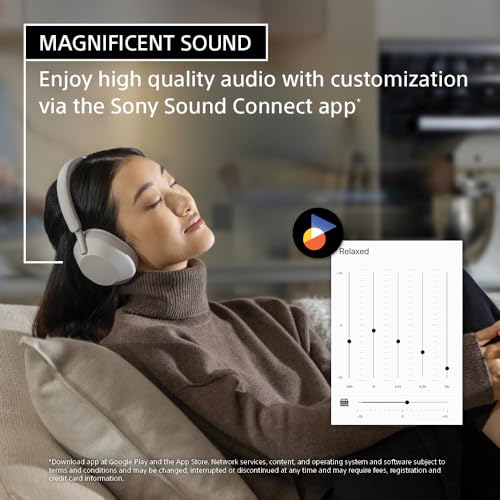
Earbuds rely on a good seal — we found ANC and bass drop noticeably with the wrong tip, but a correct fit is very isolating for planes and trains. Over‑ears give consistent passive isolation without fiddling and are much friendlier when worn over glasses for long stretches.
Onboard controls, hygiene, and maintenance
Both have touch controls; the buds’ case and replaceable tips make cleaning and swapping easy mid‑trip. The WH‑1000XM5 pads are durable but not as quick to replace on the road. Earbuds are water‑resistant and easier to stow; headphones trade packability for comfort and battery longevity.
Noise Cancellation and Sound Quality: Isolation vs Immersion
We treat ANC and sound as travel priorities—not just specs. ANC has to work on a rumbling fuselage, cut through café chatter for focus, and let announcements through without us fumbling. Below we compare how each Sony handles those real scenarios.
Real-world ANC: planes, announcements, cafés
WF-1000XM5: in‑ear precision and algorithmic gain
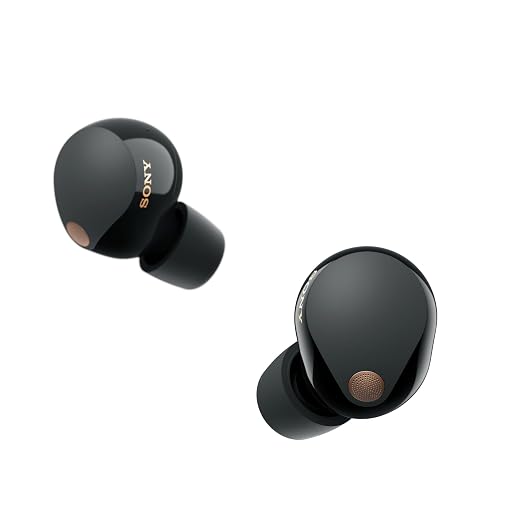
The WF‑1000XM5 uses Sony’s Integrated Processor V2 and improved fit to close the gap with cans. For travelers who pack light, the earbuds deliver crisp mids and surprising low‑end when tips seal. ANC is excellent for blocking speech and ventilated HVAC noise, but a poor seal drops both bass and noise rejection noticeably.


WH-1000XM5: sealed over‑ear immersion
The WH‑1000XM5’s larger drivers and full‑earcup seal create a more immersive, less tiring listening environment on long hauls. ANC feels fuller — steady lows are removed rather than masked — which helps with sleep and concentration on overnight flights.
Transparency, codecs, and call performance
Both support LDAC (high‑res capable), but inflight entertainment and compressed AAC/MP3 negate most codec gains — so tuning and isolation matter more than bit‑rates. For calls, the WH‑1000XM5’s multi‑mic array is more consistent in wind and cabin noise; the WF‑1000XM5 still handles voice well, but fit affects mic pickup. Small ANC tuning differences — bass attenuation vs mid suppression — change perceived comfort: over‑attenuated mids cause hearing fatigue; balanced attenuation helps sleep and focus on long trips.
Feature Comparison Chart

Battery, Connectivity, and Ecosystem Integration: Staying Connected on the Road
We analyze how long each device lasts, how predictable charging is while traveling, and how well they play with multiple devices. The WH‑1000XM5 promise longer single‑charge hours and simpler charging behavior for long flights; the WF‑1000XM5 deliver shorter runtimes but a compact charging case for top‑ups.
Battery life and charging predictability
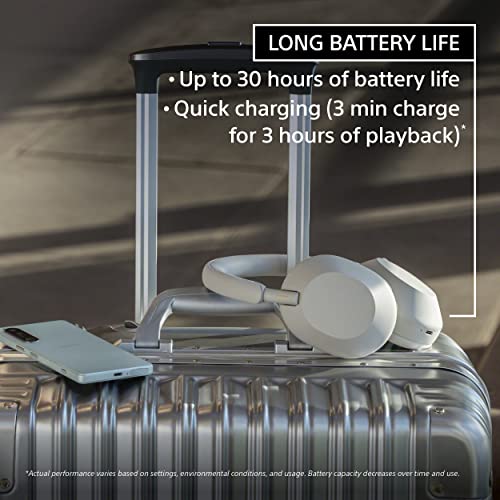
The WH‑1000XM5 win for endurance: ~30 hours on a single charge and a three‑minute quick charge that buys you hours of playback — that removes battery anxiety on transcontinental flights. The WF‑1000XM5 run ~8 hours per earbud and about 24 hours with the pocketable case; quick charges are useful between legs (3 minutes ≈ 1 hour), but you have to remember to top up the case. USB‑C on both means airport chargers and power banks just work.
Bluetooth, codecs, and seamless switching
Both support LDAC, AAC and SBC; WF uses Bluetooth 5.3, WH uses 5.2. Practical takeaway:
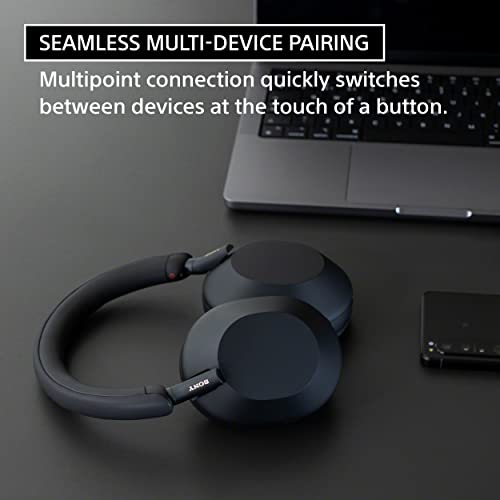
Both support multipoint, but the WH‑1000XM5’s larger battery and more stable radio make switching between laptop and phone for video calls or streaming noticeably smoother. For low‑latency video or real‑time calls, beware LDAC’s lag — use AAC/SBC or the headphones’ “priority to call” behavior.
App, voice assistants, and real‑world integration
Sony’s Headphones Connect manages EQ, ANC modes, and firmware updates for both models. Alexa is built in on the WF and accessible on the WH; in practice, voice assistants work well when you’re stationary, less so in noisy cabins. For travel, the WH‑1000XM5 is the less fussy, more predictable companion; the WF‑1000XM5 reward us with compact top‑ups and excellent on‑ear performance when we keep the case charged.
Practical Use Cases and Value: Which One Should Travelers Buy?
Traveler profiles: who benefits from which
We map strengths to use cases. For minimalists and active travelers who prioritize packing light and movement, the WF‑1000XM5 deliver unmatched portability, solid in‑ear ANC, and water resistance for outdoor waits or light workouts. For frequent flyers, remote workers, and anyone who wears headphones for hours, the WH‑1000XM5 offer superior passive isolation, longer battery life (about 30 hours), and a more comfortable over‑ear fit for long flights and calls.
Price, accessories, durability, and resale
Both carry Sony’s build quality and software support; the WH typically hold resale value better because they’re the full‑size flagship, while earbuds are easier to sell quickly because they’re cheaper to replace.
Airline etiquette and transparency
Transparency/ambient modes matter. We use earbud Transparency when we need quick cockpit announcements or to communicate without removing gear. Over‑ear Ambient/Quick Attention is better for short, polite exchanges with flight attendants. If you frequently need to hear announcements, earbuds give faster, on‑ear access; if you prefer to stay fully tuned out, the WH’s deeper passive isolation keeps you in your own zone.
Real scenarios: clear winners
Pragmatic buying advice and alternatives
If you rarely take long flights and want light packing, buy the WF‑1000XM5. If you’re on red‑eye flights or work from airports/hotels, spend up for the WH‑1000XM5—watch for sales. Competing alternatives to check on sale include Apple AirPods Pro 2 (earbuds) and Bose’s QC series (both form factors), but for Sony’s feature set and ecosystem integration, these two remain our top travel picks.
Final Verdict: Which Should You Pack?
For compact, on-the-go urban travel we recommend the WF-1000XM5 — we favor them for pocketability, fast top-ups, and discretion during daytime city itineraries. The earbuds’ small footprint and tight integration with Sony’s apps make them ideal when we prioritize portability and quick charging over marathon listening sessions.
We name the WH-1000XM5 the overall winner for travel. For business trips and long-haul flights their superior ANC, longer single-charge life, and more isolating over-ear comfort deliver a quieter, less tiring journey. Both fit neatly into Sony’s ecosystem and support Alexa. Choose earbuds for city trips and active days; choose headphones for long flights.

Chris is the founder and lead editor of OptionCutter LLC, where he oversees in-depth buying guides, product reviews, and comparison content designed to help readers make informed purchasing decisions. His editorial approach centers on structured research, real-world use cases, performance benchmarks, and transparent evaluation criteria rather than surface-level summaries. Through OptionCutter’s blog content, he focuses on breaking down complex product categories into clear recommendations, practical advice, and decision frameworks that prioritize accuracy, usability, and long-term value for shoppers.