
Color that wows or framerate that wins? Here’s which OLED actually does both (and which one doesn’t).
We’ve spent hours switching between movie scenes and FPS demos to find OLEDs that don’t force a compromise.
Choosing an OLED used to feel like picking a side: perfect blacks and cinema color or bright panels and gamer-friendly inputs. Now the latest panels and processors blur that line, so we focused on real-world viewing — how a set looks, how it feels in your room, and how it handles consoles and PCs.
Top OLED Picks


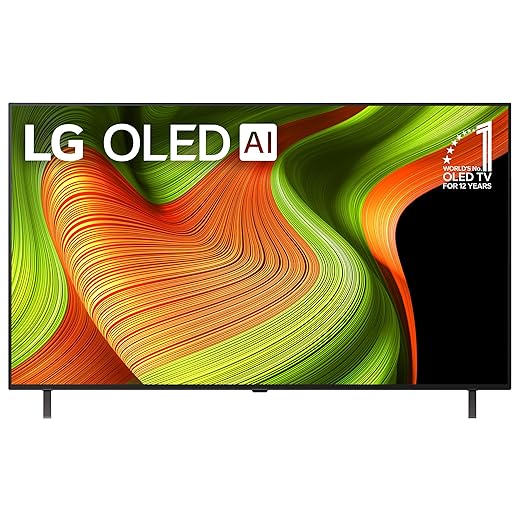
Sony A95K 65-inch QD-OLED BRAVIA
QD-OLED color performance combined with Sony’s XR processing produces the most convincing and saturated images we tested. It’s the pick for viewers who prioritize color volume, highlight fidelity, and wide viewing angles.
Why it stands out
The A95K uses QD-OLED to push color brightness and saturation beyond what conventional WRGB OLED panels can do. We noticed richer colors, stronger highlight presence, and a more convincing sense of dimensionality that makes HDR content feel more ‘there’ — especially on scenes with colorful highlights and complex gradients.
Day-to-day strengths
For viewers who stream a lot of HDR content or play visually rich console and PC titles, the A95K is a compelling step up. Its processing keeps up with difficult sources, and the BRAVIA ecosystem integrates PS5 features and studio modes for streaming services.
Drawbacks and context
The price puts it near the top of the market; buyers must decide if the color and HDR advantages justify the premium. As always with OLED, burn-in remains a theoretical concern but is much less likely for typical mixed-use households that avoid static interfaces for long periods.
Who should buy it
If you want the best color fidelity and a future-proofed HDR canvas and you’re willing to pay for it, the A95K is our recommendation. It’s the TV that advances the argument for QD-OLED in living-room applications.
LG C5 65-inch OLED evo TV
A clear step forward in processing, brightness, and gaming capability that keeps LG competitive at the top end. The C5 blends modern smart features with a bright evo panel and a gaming-oriented refresh-rate headroom that matters for PC players.
Overview
The C5 is LG’s 2025 refinement of the popular C-series formula: evo panel brightness, a higher-generation alpha9 processor, and a focus on gaming and content upscaling. We found the combination useful for families that stream, gamers who demand low latency and high refresh, and cinephiles who want reliable HDR tone mapping.
Key strengths in daily use
That improved brightness makes a meaningful difference: highlights pop more reliably, and specular detail survives in rooms with some ambient light. On the gaming side the native 120Hz panel plus higher VRR ceiling gives PC gamers extra headroom; consoles benefit from the usual low lag and dedicated optimizer.
Design and ecosystem
LG keeps the bezel minimal and the UI familiar with webOS 25. We liked the Gallery and Art modes for living-room installations and the broad voice/airplay support for device integration. Still, customers should be ready for occasional software prompts and the usual manufacturer defaults that encourage account sign-ins.
The competitive context and who it’s for
Compared with similarly priced rivals, the C5 leans into brightness and AI-driven upscaling rather than radically rethinking color science. If you want a future-proofed HDMI 2.1 playground with cleaner HDR performance in brighter rooms, this is a convincing pick; if you’re purely budget-focused, some older C- or B-series models remain strong values.
LG G2 55-inch OLED evo Gallery TV
Gallery-style design and Brightness Booster Max push this one toward enthusiasts who want OLED blacks with extra punch in highlights. It’s a great theatrical set for dedicated home cinemas with an aesthetic that wants to disappear on the wall.
What sets it apart
The G2 Gallery Edition is LG’s answer to buyers who want OLED picture fidelity plus the brightest highlights the company can squeeze from an evo panel. We noticed richer specular highlights without the kind of blooming you get on many LED local-dimming sets, and the Gallery design gives the TV a framed, art-like presence when wall mounted.
Practical performance notes
In our viewing, movies looked closer to a calibrated projection experience because the TV preserves shadow detail while allowing highlights to have life. Games behave very well on the panel: input latency is low, and the Game Optimizer UI centralizes settings so switching between console and PC sources stays straightforward.
Design, UX and trade-offs
If you want a minimalist, ‘hung-photo’ aesthetic, the G2 nails it — but LG makes some installation choices that assume wall mounting: unique bracket hardware and side-facing connections can complicate some living-room layouts. As always with OLED, long static interface elements carry some burn-in risk under extreme use, so users who keep static HUDs or channels paused for long stretches should use built-in mitigation features.
Who should consider this
Choose the G2 if you want a near-top-tier OLED picture for movies and gaming and plan to wall-mount the display. It’s not the value pick, but its visual impact and brightness make it the most cinematic LG OLED in many rooms.
Sony A90K 48-inch BRAVIA XR OLED
The 48" A90K scales up the strengths of the 42" model — better immersion without changing the character that makes Sony sets appealing. It balances sound, processing, and gaming features in a size many living rooms prefer.
Overview
The 48" A90K gives many buyers the sweet spot of a living-room size without overwhelming a small room. We particularly liked the way Sony tunes its panels for skin tones and natural color while keeping motion artifacts to a minimum — that matters when you switch between cinematic content and high-FPS gaming.
Performance notes
In everyday use the TV is surprisingly versatile: it’s equally happy running your console, acting as the central streaming hub, or serving as the main screen for a compact home theater. The built-in audio is one of Sony’s better efforts at making the screen itself the speaker, which reduces the need for an immediate soundbar in some setups.
Trade-offs and real-world advice
Sony’s strengths are in processing and UX polish, but that comes at a premium. If you prioritize raw HDR highlight brightness or an aggressive anti-glare coating for sun-splashed rooms, consider alternatives from Samsung or LG. For darker rooms and a strong all-round media experience, though, this remains a top pick.
Final take
For mixed-use households that want excellent picture and a little extra audio performance without going to a 65" or larger, the A90K 48" is hard to beat.
Sony A90K 42-inch BRAVIA XR OLED
Sony’s small-format OLED pairs excellent picture processing with its Acoustic Surface sound technology to produce a compact set that sounds better than most TVs. Motion handling and upscaling are standout strengths for fast-action gaming and movies.
Snapshot
Sony’s A90K condenses flagship BRAVIA processing into a compact 42" package. We were impressed by how the Cognitive Processor XR blends contrast, color and motion to make upscaled SDR sources and 4K HDR content look consistently convincing. The set excels in darker viewing conditions but remains a strong choice for gamers thanks to low latency and PS5 integration.
What stands out in daily use
The combination of Sony’s motion handling and crisp upscaling makes sports and fast games look smoother with minimal interpolation artefacts. If you value a cleaner, film-like presentation, this set keeps color and highlight detail consistent across a wide range of content.
Practical considerations
We found setup and connectivity straightforward, but noted the small-form-factor premium — you pay for Sony’s tuning and the integrated sound design in a relatively compact package. Also, if you watch mostly in bright living rooms, consider models with higher peak brightness or anti-reflective treatments.
Who should buy it
Pick the A90K if you want a smaller, high-end OLED that emphasizes cinematic picture and integrated sound. It’s especially appealing when space is limited but you don’t want to compromise on image processing or gaming compatibility.
Samsung S95F 65-inch OLED S95F
Samsung’s S95F pairs OLED blacks with an impressive matte treatment and a powerful Vision AI processor, making it a top choice for bright living rooms. Motion and color handling are excellent, and it scales well for sports and daytime TV.
What Samsung brings to OLED
The S95F represents Samsung’s mature OLED approach: combine strong anti-reflective glass, a sophisticated AI-driven 4K engine, and high-refresh motion tech. We liked how the matte optics let us watch HDR content in rooms with large windows without losing contrast or highlight detail.
Feature highlights
In day-to-day use the TV handles sports and fast-action content with minimal smearing, and the anti-glare finish is a practical advantage for many living-room environments. The hardware is top-tier, though some of the software interactions — casting responsiveness and app behavior — can feel less polished than the display hardware.
Considerations and final advice
If you want an OLED that behaves well in sunlight and on daytime TV, the S95F is among the best options. Pair the TV with an external audio system if you want deep bass or a cinematic home-theater experience; the slim chassis favors picture performance over speaker volume.
Sony XR8B 77-inch BRAVIA OLED
A large-format OLED that brings Sony’s processing, calibration options and immersive sound to a scale that works for family rooms and big-game viewing. It’s a great canvas for console gaming and streaming alike.
What this model delivers
The 77-inch XR8B puts Sony’s color science and XR processing on a truly cinematic scale. For families and enthusiasts who want a single-screen solution for movies, sports and gaming, it offers a detailed, contrast-rich picture and a spacious viewing geometry that suits living rooms.
Features we tested
With large screens, motion clarity and tone mapping become more visible — the XR8B handles both admirably, keeping edge detail sharp and HDR highlights well-contained. The set is not a light lift; physical handling and mounting are major considerations and we recommend professional installation for anything this size.
Practical notes and audience
If you’re building a family room AV centerpiece and want Sony’s ecosystem and calibration strengths, this is a strong candidate. Pair it with a quality audio setup for the best results — the internal speakers are capable but won’t replace a dedicated surround system for movie nights.
Bottom line
This model is for buyers who want a big, cinematic canvas with Sony’s signature picture processing and living-room-friendly features. It blends premium imaging with practical integrations for consoles and streaming platforms.
LG C2 42-inch OLED evo TV
A great balance of picture quality, gaming features, and size for small rooms or desktop setups. It delivers the OLED contrast and low latency that both movie fans and serious gamers want without making major tradeoffs.
Why we like it
The C2 42-inch sits at the sweet spot for people who want true OLED picture quality without the space a 55" or larger demands. We appreciated how the panel renders deep blacks and natural skin tones while the a9 processor cleans up upscaling for streaming services. In practical use it feels more like a serious monitor and a living-room TV in one.
Performance and features
Those gaming features matter: the TV responds quickly and lets consoles and PC GPUs run at high refresh rates with VRR, so motion stays clean in fast shooters and racers. For streaming and local content the processing is conservative enough in Filmmaker or calibrated modes to preserve directorial intent, but the TV also has usable picture presets for casual viewers.
Design, ecosystem and trade-offs
We found the design pleasantly minimal — thin bezels and a flexible set of smart integrations (AirPlay, Google Assistant, Alexa support, and cloud gaming access). The caveat is brightness: while the C2 is brighter than older WRGB OLEDs, it's not in the same peak-brightness class as later evo/G-series or QD-OLED options, so you’ll want to control ambient light in very sunny rooms. Also, a few users mentioned the remote/voice wake feature can trigger inadvertently while gaming, which can be a nuisance if you rely on uninterrupted local multiplayer sessions.
Who should buy this
If you want a compact screen that doubles as a near-professional monitor for gaming and a superb movie display, the C2 is one of the best practical choices. It’s the TV to pick when size constraints meet high expectations for image fidelity and game responsiveness.
LG C1 48-inch OLED Smart TV
A compact, well-rounded OLED that remains compelling as used or discounted stock. It still offers the key strengths of OLED — exceptional contrast and smooth motion — at a lower price than newer flagships.
Why the C1 still matters
The C1 proved that OLED’s advantages — true black levels, wide viewing angles and fast response — didn’t need to be expensive or oversized. We’ve used it as a bedroom and secondary-room TV and it continues to be a sensible pick when you find it at a discount.
User experience and features
For everyday viewing the C1’s picture is still excellent, and gamers will like the low input lag and higher refresh when paired with modern consoles and GPUs. The built-in speakers are acceptable for casual watching, but a soundbar improves dialogues and investment in Atmos content.
Trade-offs and practical tips
As a model now discontinued, you should expect fewer firmware refreshes and rely on third-party calibration resources if you want perfect accuracy. Burn-in remains a theoretical OLED risk, as with any self-emissive display, so avoid leaving static HUDs on for very long sessions; pixel shift and screen savers help mitigate that.
Bottom line
If you prioritize value and picture quality over the absolute latest peak-brightness tech, the C1 remains an excellent pick — especially for smaller rooms where the 48" size is perfect.
LG B5 55-inch OLED B-Series TV
A sensible entry into OLED picture quality that keeps essential gaming and streaming features but trims some peak-brightness and premium extras. It’s a pragmatic choice for buyers who want OLED blacks without flagship pricing.
Quick take
The B5 is LG’s attempt to make OLED more accessible without stripping it of the things that matter most: contrast, low-latency gaming support, and smart TV convenience. In our experience, it delivers a familiar LG UX and a pleasant viewing experience for the price-conscious buyer.
Day-to-day usability
For mixed households that game, stream and watch live sports, the B5 covers the bases. It’s not a flagship: peak highlights and some color nuances are surprisingly better on evo or QD-OLED panels. But that’s exactly the trade-off — you get most of the OLED experience at a lower price point.
Practical advice and who it’s for
We recommend the B5 to buyers who want OLED blacks and gaming features but who don’t need the absolute best HDR highlights or the top-tier processor. If you find the B5 on sale, it becomes a particularly compelling option for a second room, bedroom, or budget-conscious living room setup.
Final Thoughts
For most people who want one TV to do both movies and modern gaming, we pick the Sony A95K 65-inch QD-OLED BRAVIA as our top recommendation. Its QD‑OLED panel and Sony’s XR processing deliver the richest color volume and HDR highlights we tested, and the wide viewing angles and calibrated color fidelity make it a cinematic choice for living rooms. If your priority is absolute color accuracy, highlight detail in HDR, and a set that disappears into the room while serving as a reference display for streaming and films, the A95K is the one to buy.
If you split your time evenly between console/PC gaming and movies — and you want a little more brightness and gaming headroom — the LG C5 65‑inch OLED evo is our pick for gamers. The evo panel and updated processing push peak brightness higher than previous LG models, and LG’s gaming features (low latency, strong VRR support, and refresh‑rate headroom useful for PC players) make it the better choice for competitive and immersive gaming. It also integrates cleanly with webOS and popular console ecosystems, which matters if you use the TV as your primary gaming hub.
A few quick alternatives to keep in mind: the LG G2 is the choice for a brightness-forward home cinema and gallery-style installation; the Samsung S95F is the best pick for very bright rooms thanks to its matte treatment; and the LG C2 or Sony A90K (48"/42") are excellent compact options for desks, bedrooms, or smaller living rooms. For bargain-conscious buyers, the LG B5 or a discounted C1 still deliver core OLED strengths at lower cost.
In short: choose the Sony A95K for the best movie-first picture and color, and choose the LG C5 if you need a flagship that balances bright HDR, modern gaming features, and a flexible smart-TV ecosystem.

Chris is the founder and lead editor of OptionCutter LLC, where he oversees in-depth buying guides, product reviews, and comparison content designed to help readers make informed purchasing decisions. His editorial approach centers on structured research, real-world use cases, performance benchmarks, and transparent evaluation criteria rather than surface-level summaries. Through OptionCutter’s blog content, he focuses on breaking down complex product categories into clear recommendations, practical advice, and decision frameworks that prioritize accuracy, usability, and long-term value for shoppers.