

We break down when active noise cancelling actually improves our listening experience versus stubbornly simple passive isolation—who wins on comfort, battery life, sound fidelity, and ecosystem compatibility in today’s crowded market?
We weigh active noise cancelling against passive isolation using the Sony WH-1000XM5 and Shure SE215 Pro as real-world examples, so we can advise whether commuters, studio workers, or everyday listeners should choose ANC’s convenience or earbuds’ focused isolation and practicality.
Travel Ready
We found these headphones to be the most capable ANC-focused option in everyday use: they quiet aggressive cabin and commute noise without overly coloring music. The XM5s pair a refined tuning with a clearly thought-out feature set and battery life that keeps them useful across travel, remote work, and mixed-device households. In a crowded market, they matter because Sony balances performance, comfort, and ecosystem integration in a way that’s easy to live with day to day.
Studio Isolation
We appreciate these as a practical alternative to ANC for anyone who prioritizes isolation, durability, and a more compact footprint. The SE215 PROs give you rugged, serviceable hardware and a sound signature that’s effective for both monitoring and casual listening, but they trade modern wireless conveniences for reliability and cost-effectiveness. In many workflows — live sound, commuting with a tight seal, or anyone who wants replaceable cables — they remain a sensible choice.
Sony XM5 Headphones
Shure SE215 Earbuds
Sony XM5 Headphones
Shure SE215 Earbuds
Sony XM5 Headphones
Shure SE215 Earbuds
Noise Canceling vs Noise Isolation: What’s the Difference?
Design, Comfort, and Build: How they fit into daily life
Over-ear build and comfort — Sony WH-1000XM5
We found the WH-1000XM5s build around comfort-first listening. The earcups use soft synthetic leather and a very light overall frame; Sony lists ~250 g, and you feel that lightweight design after an hour. Clamping force is noticeably relaxed compared with older over-ears, so they sit securely without pinching—good for long flights or working at a desk.

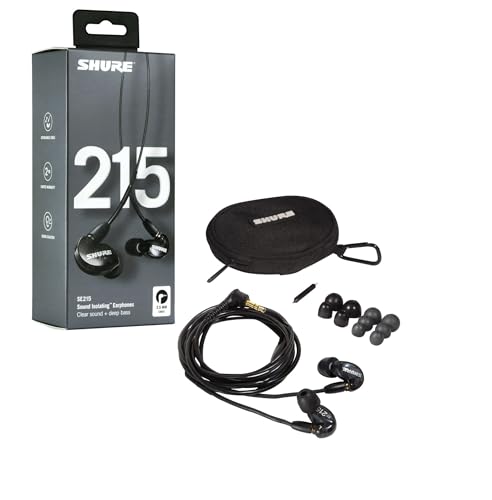
In-ear design and fit — Shure SE215 PRO
The SE215 Pro are fundamentally different: tiny, low-mass shells and a wraparound cable. Their comfort depends on getting the seal right; with the supplied foam and silicone sleeves we locked in near-complete isolation and felt almost nothing pressing on the skull. Because they’re in-ear, long sessions can be more comfortable for heat-sensitive users but less so if foam tips irritate your ear canal.

What that means for daily life
We prefer Sony for all-day, passive-comfort wear and shared spaces; the WH-1000XM5s feel like a workday tool. The SE215s win for portability, replaceability, and noisy-commute isolation if you can tolerate in-ear seals.
Sound quality: Tuning, detail, and real-world listening
Sony WH-1000XM5 — consumer tuning and wide soundstage
The WH-1000XM5s aim for a pleasing, slightly polished sound: clean highs, a roomy midband, and boosted low end that benefits from ANC’s low-frequency roll-off. That extra bass isn’t sloppy — it’s tightened by Sony’s processing — but it’s clearly tuned for enjoyment rather than forensic accuracy. On pop, EDM, and movie soundtracks we found the presentation immersive; orchestral detail is present, but the spatial cues are more “cinematic” than analytic.
Shure SE215 PRO — monitoring-minded, intimate presentation
The SE215 PRO uses a single dynamic microdriver and a forward midrange that puts vocals and guitars right up front. Separation is more intimate than “wide”: instruments sit closer to the ears with fast, controlled bass and excellent transient response. For acoustic, rock, and stage-monitor tasks the clarity feels purposeful — you hear the note attack and harmonic detail that matter for mixing or live monitoring. It won’t give you a huge soundstage, but it gives the information you need.


What actually changes how music sounds
If you’re chasing immersive, convenience-first sound for noisy commutes, Sony wins. If you need raw midrange accuracy and isolation for focused listening or monitoring, the Shure does the job with less color and more intent.
Noise control: Active noise cancelling versus passive isolation
What each system actually does
We put Sony’s active noise cancelling—feedforward/feedback mics, Integrated Processor V1, Auto NC Optimizer, and selectable Ambient/Transparency modes—against the Shure’s physical seal using foam and silicone tips. Sony uses processing to subtract steady, low-frequency noise; Shure relies on a mechanical barrier to block sound across a wider frequency band when the fit is right.
How they perform in real-world settings
Trade-offs to consider
Safety and situational awareness
Both can mask hazards. Use Ambient/Transparency modes or lower volume with Sony, and stay mindful with SE215s—high isolation can also hide approaching traffic. In hybrid work or frequent travel, pick the system that matches how much control versus situational awareness you need.
Noise-Cancelling vs Passive Isolation: Feature Comparison


Ecosystem, battery, controls, and everyday usability
Battery life and wireless convenience
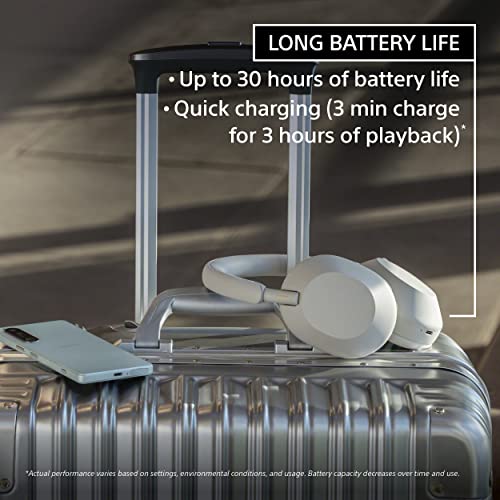
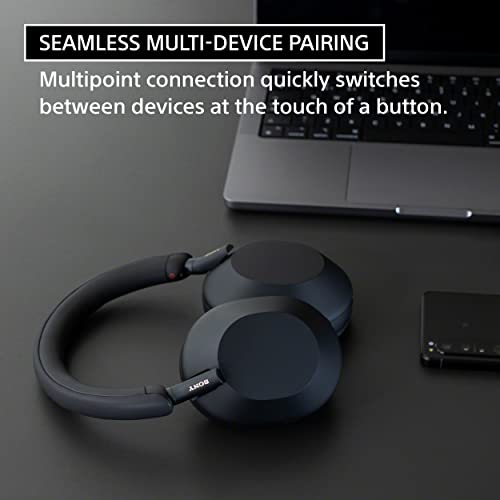
We value things that just work without fuss. The WH-1000XM5’s 30-hour battery and fast-charge trick (about 3 hours playback from a 3‑minute top-up) mean multi-day travel without a charger. Multipoint Bluetooth (two devices) and Bluetooth 5.2 make switching from laptop to phone seamless — at the cost of the latency inherent to a wireless path. The SE215 needs no charging at all: plug into any 3.5mm jack and you’re done, with effectively zero latency for video or live monitoring.
Controls and phone integration
Sony’s touch controls, wearing detection, and built‑in assistant support put media, calls, and ambient modes at our fingertips — and they’re easy to use once you learn the gestures. The SE215’s inline or source-side controls are simpler: no gestures, but predictable physical operation and fewer accidental taps.
App, codecs, and firmware
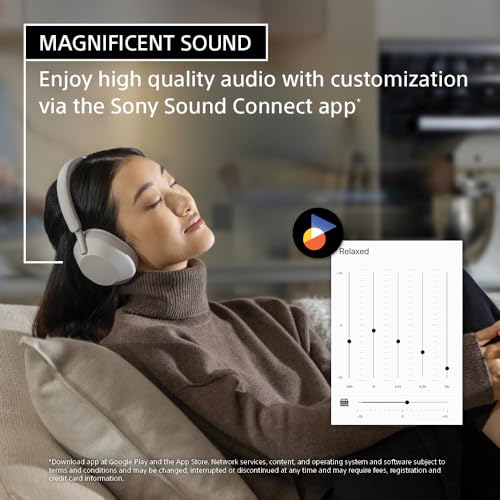
Sony’s Headphones Connect app gives us EQ, adaptive sound control, codec selection (LDAC on supported Android devices; AAC/SBC elsewhere), and firmware updates that add features or tweak ANC. That ongoing software ecosystem meaningfully changes the experience over time. The SE215 is firmware‑free: what you buy is what you get — stable, predictable, and compatible with pro gear.
Repairability and long‑term costs
This is where the SE215 shines for longevity. Detachable MMCX cables, replaceable tips, and a serviceable design keep repair and upgrade costs low. The WH-1000XM5 offers premium convenience but will likely incur battery-replacement or service costs down the line and is harder to DIY repair.
We find that ecosystem and usability often dictate everyday satisfaction more than headline specs — choose the model that matches how you move, work, and update your gear.
Final verdict: Which should you buy?
We think the Sony WH-1000XM5 is the clear winner for most listeners: its class-leading active noise cancellation, 30-hour battery, comfortable design, and tight ecosystem integration make it the best choice for commuters, remote workers, and anyone who values ANC, long runtime, and smart features. In today’s market where wireless convenience and software-driven audio improvements dominate, the XM5s deliver a polished, holistic experience that justifies the premium.
That said, we recommend the Shure SE215 Pro for musicians, stage or studio work, and anyone who needs rock-solid passive isolation, portability, and durability without relying on batteries. If your priority is precise monitoring, compact carry, or dependable isolation on stage, choose the SE215. Use case, portability, and ecosystem integration should decide your pick — which of those matters most to you? For daily commuters we prioritize ANC and battery; for pros we prioritize fidelity and passive sealing — that market split defines competitive value today. Decisively so.

Chris is the founder and lead editor of OptionCutter LLC, where he oversees in-depth buying guides, product reviews, and comparison content designed to help readers make informed purchasing decisions. His editorial approach centers on structured research, real-world use cases, performance benchmarks, and transparent evaluation criteria rather than surface-level summaries. Through OptionCutter’s blog content, he focuses on breaking down complex product categories into clear recommendations, practical advice, and decision frameworks that prioritize accuracy, usability, and long-term value for shoppers.