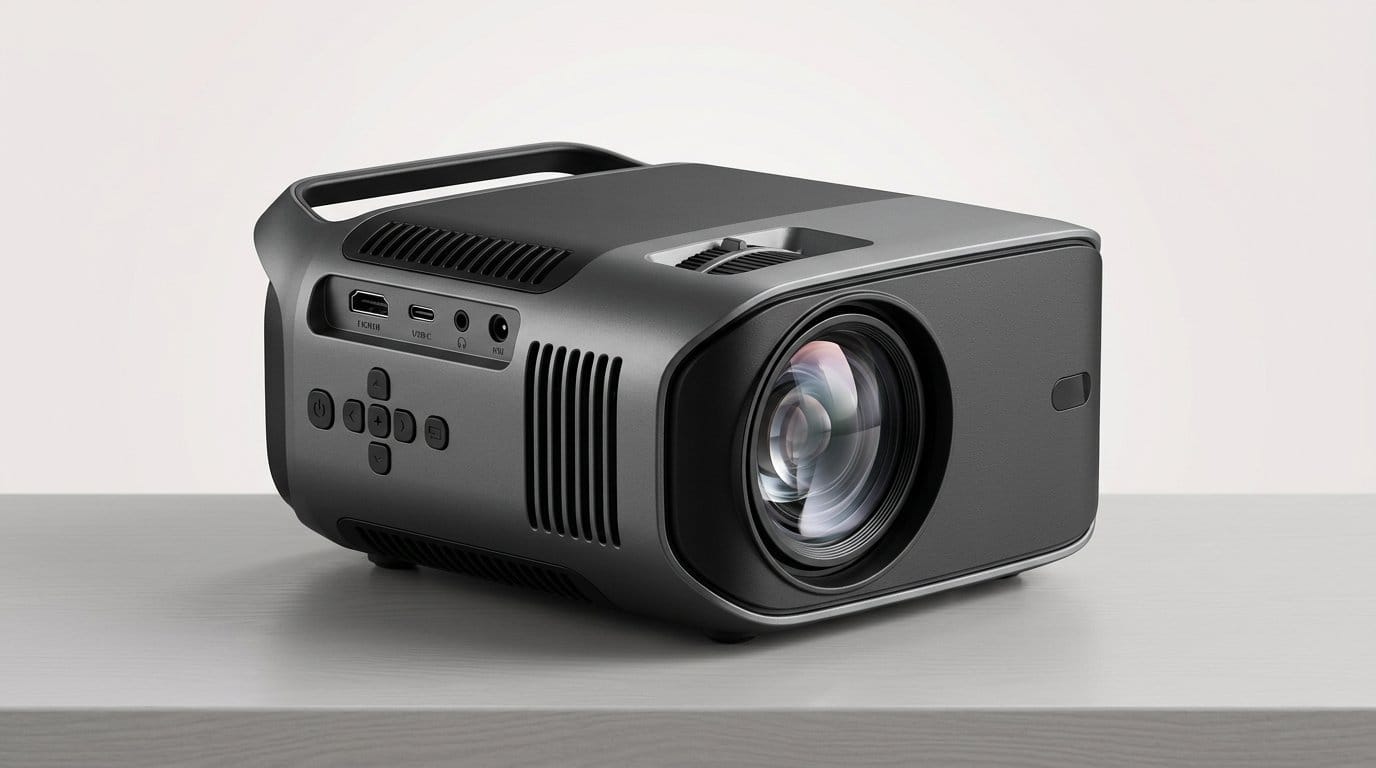

Movie night under the stars — which tiny projector actually delivers?
Outdoor movies are back with portable projectors — and smaller than ever.
We’ve been hauling screens, speakers, and extension cords for years. Now a handful of portable projectors promise big pictures, built-in streaming, and batteries that free us from outlets in our product reviews.
They’re not all the same. Some prioritize brightness for backyard evenings, others squeeze great sound and Google TV into a pocket-sized chassis. We focused on real-world use: setup speed, image in ambient light, onboard audio, and how well the smart platforms actually work when you’re outside.
Top Portable Projector Picks for Outdoor Movies


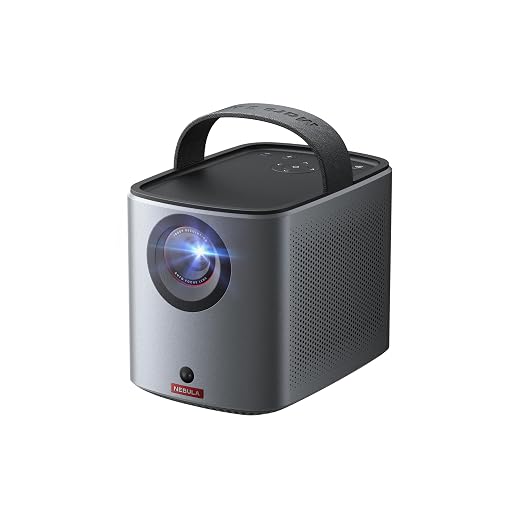
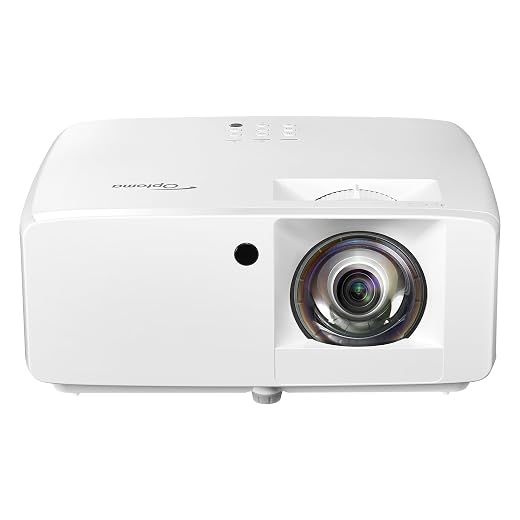
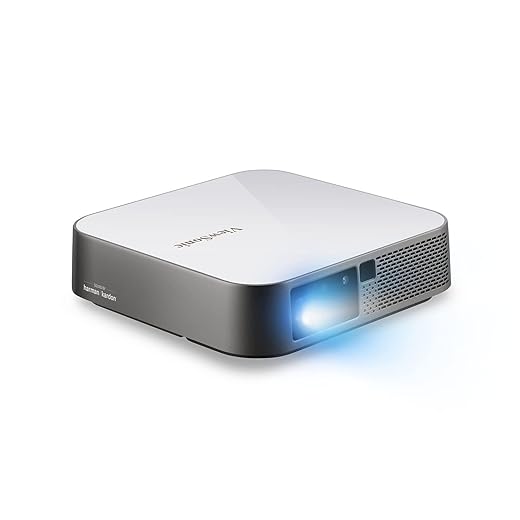


Nebula Capsule 3 Google TV Portable
A tiny, well-rounded pocket cinema that balances image quality, sound, and battery life for on-the-go movie nights. Setup is fast and the Google TV integration keeps streaming painless while the speakers outperform most rivals in this size class.
Why we like this projector
We find this model to be one of the most polished ultra-portable projectors for casual outdoor movie nights. The combination of a compact, soda-can footprint with Google TV and built-in streaming credentials removes a lot of the friction you normally get with travel projectors: no dongles, quick setup, and a small speaker that actually sounds decent for a unit this size.
Key features and practical impact
Those features mean you can set up in a tent, van, or backyard and have a complete streaming experience without extra devices. The autofocus and obstacle avoidance are especially useful when you’re moving around or setting up on imperfect surfaces.
Where it shines — and why it doesn’t
We loved how quiet the unit is and how little fuss it took to get a good picture. The speakers are punchier than you’d expect for a pocket projector, which makes it a strong single-device solution for small groups. That said, it’s still a low-light device: ambient daylight rapidly diminishes perceived contrast and color saturation, so plan evening showings or shaded late-afternoon sessions for best results.
Who should consider it
If you want a truly grab-and-go cinema for travel, camping, or small backyard gatherings where portability and streaming convenience matter. For brighter outdoor daytime projection, you’ll need a larger, higher-ANSI-lumen unit.
Optoma GT1080HDR Short Throw Gaming Projector
A short-throw 1080p projector engineered around low input lag and fast refresh rates that competitive gamers will appreciate. Its bright image and HDR handling deliver cinematic visuals for both games and movies in smaller spaces.
Why gamers will notice the difference
We found the GT1080HDR to be uniquely focused on delivering a responsive console and PC experience without demanding a dedicated home theater. Enhanced gaming mode drops input lag into the single-digit millisecond range at 1080p/120Hz, which makes fast, twitchy games feel tighter and more precise than on most TVs or projectors.
Real-world performance and setup nuances
That short-throw design is a real advantage in smaller rooms and makes it much easier to avoid placing the projector in the middle of foot traffic. However, if you enable the full enhanced gaming feature set you lose keystone and zoom, which forces a more deliberate physical setup. For many players the trade-off is worth it to get the lowest possible latency.
Who should consider this
If you’re building a compact gaming setup or a versatile living-room projector that can double as a competitive gaming display, this is one of the best-balanced options on the market. It’s bright enough for late-afternoon play, responsive enough for serious players, and flexible enough to deliver great movie nights as well.
Nebula Mars 3 Air Google TV Projector
A compact projector that raises the bar for punchy image and usable onboard audio in the portable class. Its 400 ANSI-lumen rating and Google TV ecosystem make it a versatile pick for backyard evenings and adaptable indoor spaces.
Performance where it counts
We see this model as the sweet spot for people who want more brightness than pocket projectors without sacrificing portability. The 400 ANSI-lumen engine and native 1080psf deliver sharper, more vibrant images at larger screen sizes than many battery-powered rivals. Combined with built-in Dolby-tuned speakers, it makes for a convenient all-in-one unit for social movie nights.
Practical features and setup
The Mars 3 Air’s autofocus and auto-keystone reduce the fiddly part of projector setup. In our testing, the UI was responsive enough for casual use and the remote felt intuitive—important when you don’t want to babysit settings before each screening.
Trade-offs to consider
While the Mars 3 Air is brighter than many rivals, it still needs a dim environment for the best results. If you plan frequent screenings in twilight or with porch lights, consider a unit with higher ANSI lumen output. The internal battery is great for mobility but expect to bring a power bank or mains adapter for extended sessions.
Where it fits in the market
If you want a compact, grab-and-go projector that actually produces living-room-level images for evening backyard sessions, this is one of the most compelling options. It’s also a good compromise for families who want streaming built directly into the projector.
Optoma ZW350ST 3D Short Throw Laser
A laser short-throw that targets classrooms, events, and bright outdoor situations where lumen output matters. The 3600-lumen DuraCore laser light engine and IP6X dust resistance make it a reliable, maintenance-light choice for semi-permanent installs.
Built for bright environments and durability
We recommend this Optoma when you need an image that remains usable in brighter conditions—late-afternoon backyard gatherings, outdoor cinemas with partial lighting, or semi-permanent rooftop setups. Its laser engine produces consistent brightness and a long service life that outclasses lamp-based projectors.
Practical advantages and features
The short-throw lens is forgiving in cramped spaces and lets you place the projector much closer to the screen, which reduces shadows and cabling. The ruggedness and steady brightness mean less maintenance and dramatic color fade over years of use.
Considerations for buyers
This is not a pocket cinema: it’s heavier and designed for environments where mains power and a bit of installation are available. If your goal is lightweight camping or a throw-and-go backyard projector, a smaller battery-powered model will be more convenient. But for bright, reliable projection that needs minimal upkeep, this Optoma is a strong choice.
ViewSonic M2e Portable Full HD Projector
A strong mid-size portable projector that prioritizes color fidelity and sound. Its Harman Kardon speakers and 125% Rec.709 color coverage make it feel more like a living-room substitute than a toy, while autofocus keeps setup minimal.
What makes it stand out
We consider this one of the better-designed portable projectors for people who want living-room-grade color and sound without a permanent installation. The M2e’s 125% Rec.709 coverage gives images a richer, more natural look compared with many portable LEDs, and the Harman Kardon speakers are a meaningful step up from token transducers.
Features that matter in practical use
Because the unit isn’t battery powered, it’s best suited to backyard evenings with access to power or to portable mains solutions. The USB-C input and compact footprint make it a great travel companion for car camping where you can plug in, but it won’t be as effortless on battery-only outings.
Ecosystem and workflow
ViewSonic’s approach is pragmatic: they give you strong optics and audio, and leave the streaming particulars to dongles and external devices. That matters because native streaming licensing can add cost and complexity; with a small streaming stick you get a flexible, high-quality image and better audio without locking yourself into a proprietary platform.
Who should buy it
If your priority is color accuracy, good onboard audio, and reliable autofocus for quick setup, this is one of the most compelling portable LEDs. It trades off battery autonomy for better picture and sound—but for many backyard and living-room use cases, that’s an acceptable compromise.
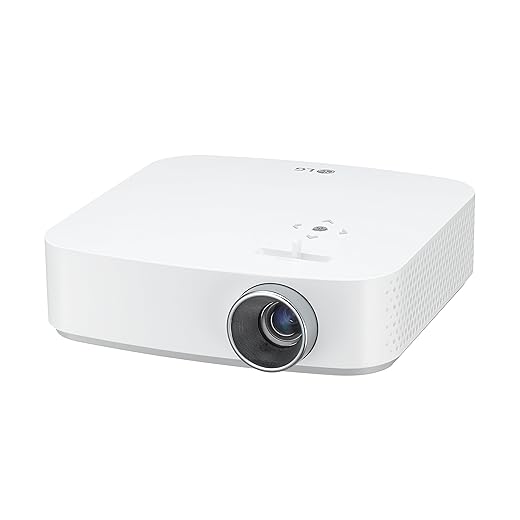
LG CineBeam PF510Q Portable Full HD
A compact, quiet projector that integrates nicely with Apple devices via AirPlay 2 and HomeKit. Its webOS smart platform feels familiar and straightforward, making it a strong fit for bedside or living-room screenings.
Designed around convenience
We like this LG for how it slots into Apple-centric homes. AirPlay 2 and HomeKit integration means casting, control, and automation all behave the way you’d expect from an Apple device—no extra dongles for basic streaming. The hardware is small and unobtrusive, which is ideal for a nightstand or multipurpose room.
Real-world usage and connectivity
In practice the picture is bright and contrasty for evening use, and the low fan noise preserves quiet bedtime viewing. The webOS platform is generally easy to navigate but can be inconsistent with certain apps; if you rely on a particular service we recommend testing it on the device before committing to a permanent setup.
Trade-offs and practical tips
This projector isn’t the brightest in daylight and lacks the Netflix official licensing some competing models offer. However, if you’re embedded in the Apple ecosystem and value wireless mirroring, it’s a comfortable, well-rounded option. For louder outdoor parties or bright dusk screenings, pair it with a brighter, mains-powered projector.
VOPLLS K3 Smart Mini 4K Support
This projector packs surprising features—TOF autofocus, Dolby audio, and a clean Linux UI—at an unusually low price point. It’s an attractive option for fans who want native apps and solid picture performance without spending heavily.
An aggressive value proposition
We were struck by how many high-end features this projector ships with at a price that undercuts more established brands. The TOF-based autofocus is legitimately useful: it locks quickly and keeps a sharp image without the fiddly manual adjustments that plague cheaper units. The Linux-based UI avoids Android bloat and keeps navigation snappy.
Notable specs and everyday impact
For day-to-day use, that translates into a straightforward setup process and good-looking images when viewing at night. Dolby audio improves dialogue clarity versus most micro-projectors, and the small but sturdy design makes it easy to move from living room to backyard.
Expectations and limits
We want to be candid: manufacturers sometimes quote optimistic lumen numbers, and the unit’s visibility in high ambient light is limited. A true outdoor dusk-to-daylight setup will still require a brighter projector. Some users also report occasional hiccups with AirPlay latency or app compatibility on certain ecosystems, so plan to bring a stick or external streamer if you rely on a specific app.
Bottom line
If you want a portable projector that punches above its class on features and value, this is an attractive pick. It’s especially useful for users who prize fast autofocus, modern wireless connectivity, and a cleaner, ad-free UI.
LG PF50KA Portable Full HD Renewed
A sensible entry-level rechargeable projector that gives real 1080p at a modest price point. Its battery and USB‑C conveniences make it useful for travel, though expect quirks typical of refurbished units and older hardware.
Cheap, practical 1080p with battery
We view this renewed LG as a pragmatic option for users who want true 1080p without spending on newer premium portables. The included battery and USB-C connectivity give you flexibility for short backyard screenings or hotel stays. The Magic Remote and webOS make navigation straightforward compared with generic projector UIs.
What to expect day-to-day
In our experience, picture clarity and color are competitive for the class, and the projector is quiet in operation. However, because many units sold at this price are renewed, build and firmware condition can vary. Buyers should factor in a potential shorter service life and test returns policies.
Who this fits
If you want a budget-conscious way into 1080p portable projection for occasional outdoor or travel use, this is an attractive choice—especially if you can get it renewed at a steep discount. For heavy outdoor evening use or long movie nights, consider newer battery-equipped models with stronger warranty support.
Final Thoughts
For most backyard movie nights we recommend the Nebula Mars 3 Air Google TV Projector as our top pick. It strikes the best balance between usable brightness (about 400 ANSI lumens in this class), compact size, and surprisingly capable onboard audio. The Google TV integration matters: you don’t need to fuss with dongles or phones, and streaming apps launch fast. In practice that means less fiddling with adapters and more time for the movie — which is exactly the point for casual outdoor screenings.
If your priority is absolute portability — something you can toss in a daypack and run to a rooftop or campsite — the Nebula Capsule 3 Google TV Portable is our runner-up. It sacrifices some lumen punch compared with the Mars 3 Air, but the cordless design, excellent speaker performance for the size, and instant Google TV access make setup trivial. We’d pick the Capsule 3 for late-night, small-group viewings where ease of use and battery life matter more than max brightness.
If you regularly screen in semi-lit environments or need a semi-permanent outdoor install, consider the Optoma ZW350ST 3D Short Throw Laser projector as a specialist alternative: its 3600-lumen laser engine and dust resistance are in a different league for ambient-light performance, but it’s heavier and better suited for fixed setups than casual outdoor/travel portability.
Overall, we prioritized products that reduce the number of extra parts you need to carry (streaming platforms, speakers, and batteries ect.). That’s the difference between a clunky outdoor cinema and a quick, portable movie night — and both these Nebula picks nail that user experience in different ways.
Frequently asked questions
We shortlist models that balance performance, reliability, and value for typical buyers—not just the highest spec sheet. Hands-on notes, owner feedback, and return/warranty policies all feed the ranking.
Start with our top overall choice if you want the safest balance of price and features. Move up or down the list only when a specific need—budget, ecosystem, or a must-have feature—clearly applies to you.
Yes. Retailers run frequent promos, so use the live price buttons on this page and compare shipping and return windows before checkout—the best deal is not always the lowest sticker price.
Only if the trade-offs fit your use case. The budget pick can be excellent value, but check what you give up in build quality, software support, or key features you will use every week.
Use the comparison and guide links on this page to narrow by size, platform, or feature, then revisit the list with your must-haves written down—forcing a mismatch creates more returns than savings.
We refresh rankings when major models launch or pricing shifts enough to change the value story. Check the publish date at the top and compare current specs if you are reading months later.

Princess Rioboca is the Lead Editorial Writer at Option Cutter, bringing over seven years of hands-on experience in consumer technology journalism. Specializing in home networking and smart home architecture, she transforms complex technical data into practical, real-world upgrades. Princess personally tests and audits every product she reviews—evaluating real-world Wi‑Fi throughput, cable management durability, and streaming ecosystem stability—to filter out spec-sheet noise. Her rigorous, field-tested insights are designed to give readers transparent, unbiased buying advice on what to purchase, what to skip, and exactly why.