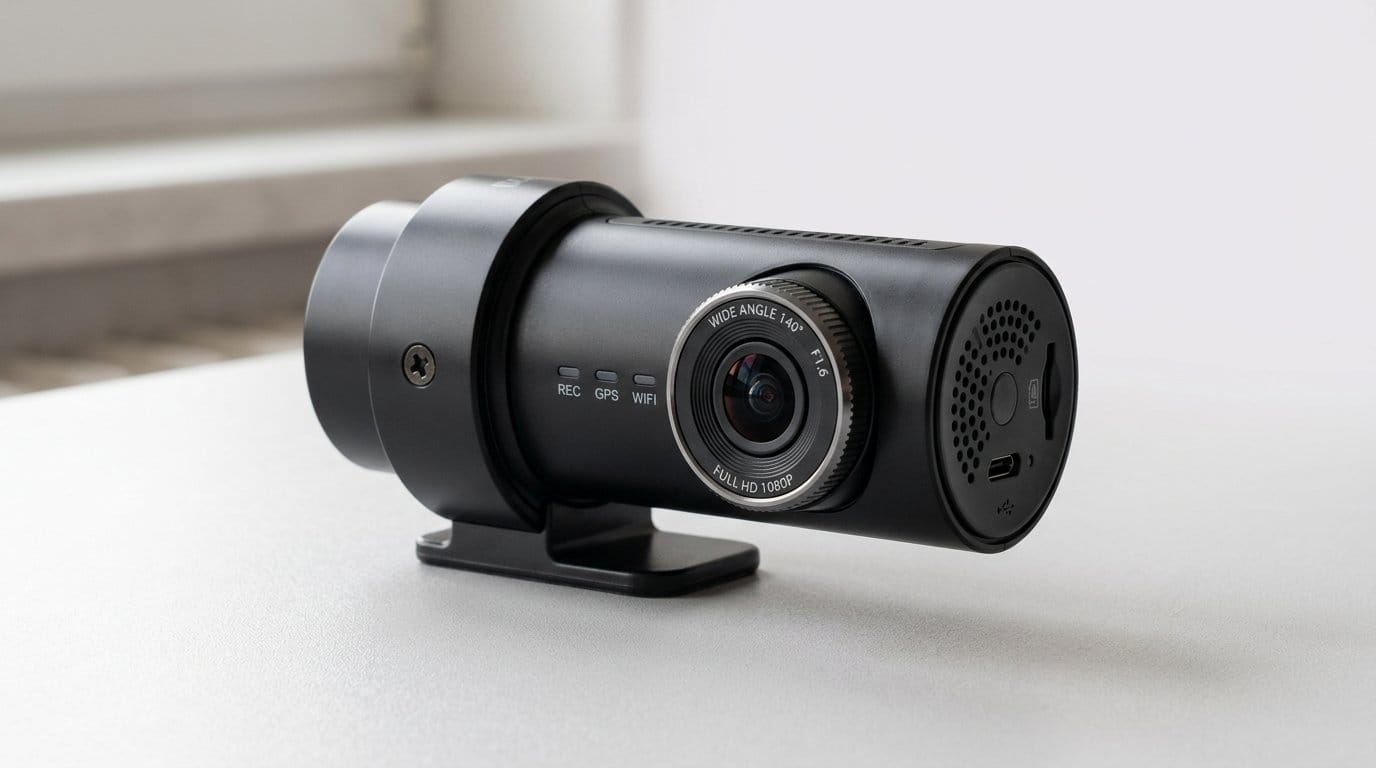

Who watches your car when you’re not looking? Night‑vision dash cams that actually stay awake.
Parking is when your car is most vulnerable
Dings, hit‑and‑runs, and overnight break‑ins often happen long after we lock the doors. Nighttime makes evidence harder to capture, and a weak camera is almost useless when it is needed most.
Night vision plus a smart parking mode changes that. We looked for sensors that actually see in low light, parking detection that avoids constant false wakes, and systems that make footage useful—GPS, cloud alerts, and stable installs. Clean design and simple day‑to‑day use matter as much as raw capture ability and overall resolution.
Top Picks
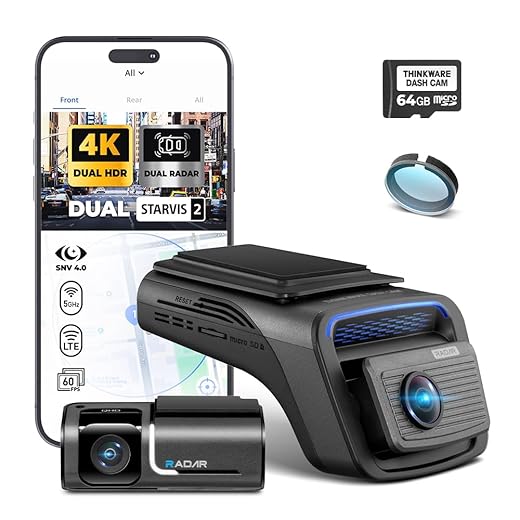


Thinkware U3000 PRO 4K Dual Dash Cam
Designed for people who park on streets or in busy lots, this camera pairs excellent daytime and night capture with radar‑based parking detection that reduces false wakes. It’s a higher‑end option that emphasizes long-term parked surveillance and cloud integration for connected owners.
How Thinkware approaches parking and low light
Thinkware designed the U3000 PRO around two realities: most damage happens when you’re away from the car, and usable nighttime evidence depends on more than megapixels.
The U3000 PRO pairs Sony starvis by keeping headlights and shadows balanced so license plates remain legible in many urban areas by offering:
Ecosystem, design, and daily experience
The most distinctive part of this system is the radar-enabled parking protection. Instead of continuous motion polling, the unit uses radar to wake on physical movement—this reduces battery draw and gives more reliable remote notifications. The app supports remote viewing and impact alerts when combined with Thinkware’s LTE option, which matters if you want immediate peace of mind while your car is parked in a public place.
Practical considerations and buyer profile
We recommend the U3000 PRO if you prioritize long-duration parked protection and remote access, and if you’re comfortable with the higher upfront cost (and potential LTE subscription). For rideshare drivers, urban parkers, and anyone who wants a premium, well-integrated solution, the Thinkware experience is compelling—just plan your install and power provisioning with the radar features in mind.
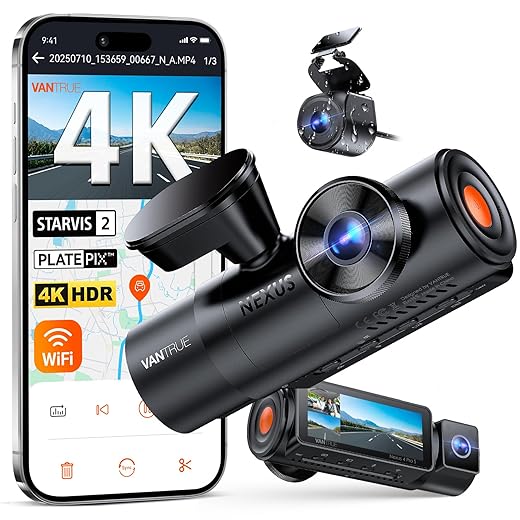
Vantrue N4 Pro S 3-Channel 4K Dash Cam
A serious option for drivers who want comprehensive coverage: front, rear, and cabin cameras all sporting STARVIS 2 sensors. It targets rideshare drivers and professionals with robust recording options and weatherproof external rear camera support.
What makes the N4 Pro S stand out
We think the Vantrue N4 Pro S is the most compelling choice if you want three cameras that don’t compromise on low-light performance. All three sensors use starvista entertainment 2 silicon, so the imaging pipeline delivers consistent color, exposure balance, and plate legibility across front, rear, and interior views—important when you need multi-angle evidence.
Design and real-world deployment
This unit gives you choices: you can run all three cameras when you need cabin monitoring, or switch to front+rear modes to reduce thermals and extend recording time. The hardware and mount system are built for longer-term use and the included cabling is heavy-duty. Which is super beneficial for professional/commercial installs.
It's app integration is strong for quick clip transfers, and 5GHz Wi‑Fi helps with large sort through large 4k files.
Who should consider it
This is the camera we’d recommend to rideshare drivers, fleet operators, and anyone who wants true multi-angle coverage who requires professional-grade sensors. Bet the draw back is you need to expect a little more installation effort, but the payoff results with a richer capture and a camera system that is built for long hours & heavy daily use.
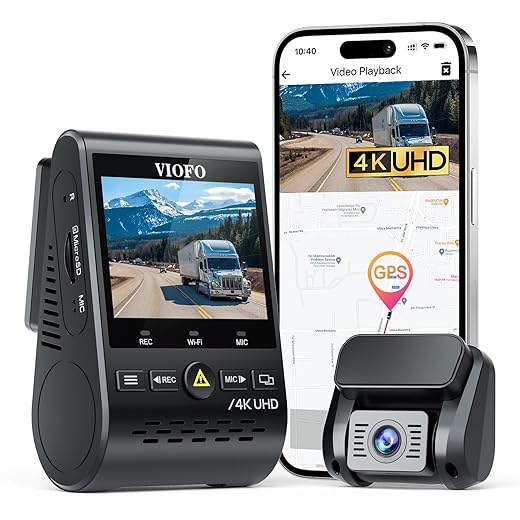
VIOFO A129 Pro Duo 4K Dual Dash Cam
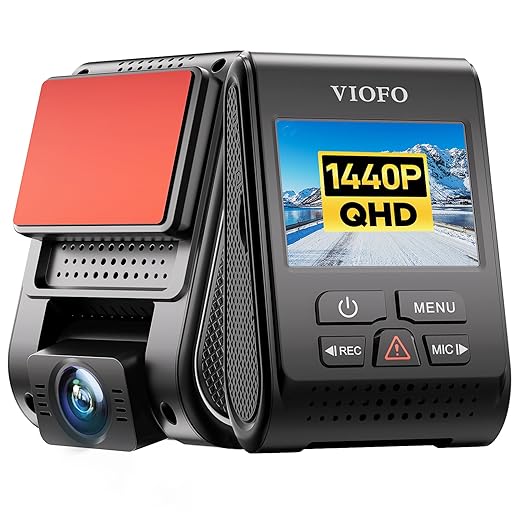
This dual-channel package offers consistently sharp daytime footage and strong night performance for the front camera while giving you coverage at the rear. The A129 Pro Duo balances price and professional features—buffered parking mode, GPS logging, and a sturdy install footprint—making it a go-to pick for people who want dual-channel protection without fuss.
What the VIOFO A129 Pro Duo does well
We think VIOFO hit a sweet spot with this model: With it's 8MP front sensor that records at 4K and a capable rear camera combined to give balanced coverage for everyday driving and parking incidents. The front camera’s HDR/WDR and the F1.8 optics deliver the sort of readable footage you need in accident related issues, and the buffered parking mode locks the seconds before a trigger event—becoming super valuable when a hit‑and‑run happens while you're not in the car.
Some of the great features it offers are:
Design, ecosystem, and day-to-day use
The A129 Pro Duo is compact but solidly built; VIOFO's cable quality and included mounting accessories make a clean install straightforward. The device pairs to a phone app for quick clip review, though heavy users will likely pull the card for bulk transfers. The optional Bluetooth remote is a pragmatic add for drivers who want single‑press event locking without digging through menus.
Trade-offs and who it’s for
If you prize an integrated USB‑C port or fully seamless app streaming, there are newer models that push those conveniences further. But for evidence-minded drivers who want a reliable dual-camera system with proven performance and sensible features, this remains one of the best practical choices that money can buy.
Vantrue E1 Pro 4K Mini Dash Cam
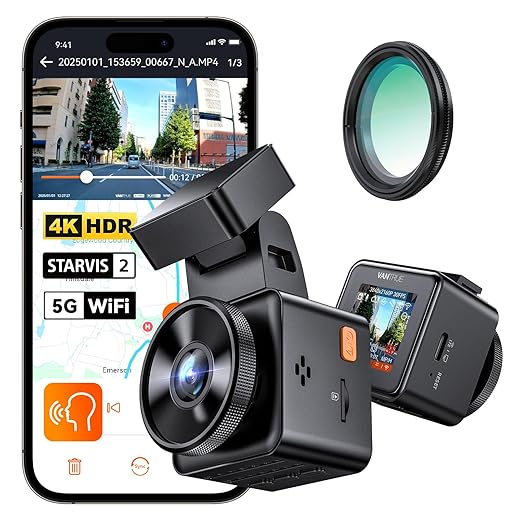
A remarkably small dash cam that punches above its weight for day and night evidence capture. It balances high-resolution 4K footage, advanced night algorithms, and a tiny footprint that keeps your windshield tidy without sacrificing detail.
Why we recommend the Vantrue E1 Pro
We like the E1 Pro because it proves you don’t need a big camera to get big results. The IMX678 sensor and PlatePix processing give the kind of readable detail—street signs and license plates—that matters for insurance and hit-and-run scenarios, and the STARVIS 2 tuning improves low-light legibility. The unit is genuinely tiny, which helps with discreet installation and reduces blind-spot irritation for the driver.
Design and real-world use
The E1 Pro's physical design is a key selling point. It's small enough to tuck behind a mirror, and Vantrue includes a CPL filter that noticeably reduces windshield glare in our tests. The touchscreen is tiny, but adequate for local adjustments; most owners will use the app to review footage. Because the camera records in 4K, use a high‑endurance UHS card—the unit warns if the card isn't fast enough.
Limitations and practical tips
We found heat to be the main trade-off: sustained 4K sessions push the device temperature up, which the firmware mitigates by protecting the sensor. Parking mode is reliable, but it isn't enabled out of the box—you need a hardwire kit to get 24/7 protection. Also, while the app is functional for quick downloads, retrieving long 4K clips can be slower than desktop transfer.
Who should consider it
If you want a discreet, high-resolution front camera with strong low-light performance and useful parking protections, this is an excellent value. It's a practical choice for commuters and family cars where footprint and image quality are both priorities.
VIOFO A119 V3 2K STARVIS Dash Cam
This model offers a well-calibrated mix of excellent 2K video, a reliable STARVIS sensor, and practical parking options for a competitive price. It’s a no-nonsense choice for drivers who want a proven, durable camera without chasing the latest bells and whistles.
Why the A119 V3 still matters
We view the VIOFO A119 V3 as a textbook example of engineering trade-offs done well: it prioritizes a strong sensor and sensible frame rates over headline-grabbing features. The STARVIS sensor and a 7-element glass lens give clean night captures and surprisingly good plate legibility at typical urban distances.
Installation and daily handling
Physical installation is simple: the camera is discreet behind a rearview mirror and the side-access card slot makes clip retrieval painless. VIOFO's firmware and community support are strong, and their approach favors reliable recording over flashy extras. If you hardwire for parking mode, you get an efficient auto-switch between driving and parked states.
Where it fits in the market
If you want dependable and readable video—especially at night—without paying a premium for 4K front capture, this is a smart buy. It’s the kind of camera we recommend to commuters and people who rotate cams between cars because it’s compact, robust, and consistently delivers usable evidence.
ROVE R2-4K PRO 4K Dash Cam
A friendly, straight‑forward 4K dash cam that makes setup and everyday use painless. It gives most drivers the coverage and parking monitoring they need without a steep learning curve or a premium price tag.
Simple 4K capture for practical drivers
We view the ROVE R2‑4K PRO as a pragmatic pick: it gives you 4K front capture, GPS stamping, and three parking-mode flavors while keeping the interface approachable. ROVE’s emphasis is on getting drivers recording reliable evidence quickly, and they pair the camera with an app that supports over‑the‑air firmware updates—handy for non-technical owners.
Day‑to‑day impressions and real-world use
Set-up is one of the R2‑4K PRO's strengths—most reviewers got it installed and working within minutes. The device does what most users need: clear daytime footage and credible night performance. The voice alert on startup about parked events is a thoughtful touch that keeps you informed without digging into menus.
Tradeoffs and who benefits most
ROVE aims this at people who want dependable evidence capture without complicated cloud subscriptions. If you’re price-conscious but still want 4K and configurable parking protection, this makes sense. Power users who expect flawless app connectivity or enterprise features will find limitations, but for everyday drivers the balance of convenience and capability is compelling.
FAIMEE 3-Channel 4K+2K Dash Camera
This 3‑channel kit delivers a compelling feature set for the price, including a free 128GB card and GPS logging. It’s a capable system for drivers who want wide coverage without a large upfront investment.
The FAIMEE value proposition
We see the FAIMEE 3-channel system as a pragmatic buy: it ships with a 128GB card so you can install and start recording immediately, and provides wide coverage for front, cabin, and rear. The lens and WDR stack give surprisingly usable night footage for a budget system, and the GPS adds the context that insurers and police often ask for.
Usability and performance notes
The camera does what most drivers need day‑to‑day: clear daytime footage, reasonable night captures, and a parking monitor that will find motion or impact. The mobile app supports live viewing and downloads, and the included mounting hardware is adequate for standard installs. Expect to spend a little time tuning exposure and placements to get the best road-facing framing.
Trade-offs and buying context
If you need professional-level polish, a more premium brand will give you more consistent firmware and customer support. But for a buyer who wants three-camera coverage at a low entry price—fleet demos, families, or first-time buyers—this FAIMEE kit delivers strong value and immediate coverage.
D500 4K WiFi GPS Dash Cam
An inexpensive 4K dash cam that covers the basics: decent daytime video, Wi‑Fi control, and a parking mode option. It’s best suited for drivers who want a low-cost backup camera but should be seen as an entry-level device rather than a long-term, pro-grade system.
A straightforward budget 4K option
We consider the D500 a reasonable entry point for drivers who want 4K capture without a big investment. The combination of a 150° field of view, WDR processing, and a supercapacitor gives reliable everyday recording, and Wi‑Fi control via a smartphone app makes grabbing clips convenient when you’re on the go.
Practical user experience
Installation is straightforward if you plan a wired setup, but be clear: the D500 is not a battery-powered, fully portable camera despite some packaging implications. The app can be temperamental in some setups and users reported password mismatches at first boot; those are solvable but worth noting. Night performance is acceptable for the price, but it won’t match STARVIS-equipped models in extreme low light.
Who should consider the D500
If you want an inexpensive 4K dash cam for basic evidence capture and quick smartphone access, the D500 will work and can outperform very cheap knockoffs. For drivers who rely on parking mode as a critical safeguard or who need consistently robust app/cloud features, we recommend stepping up to a midrange model.
Final Thoughts
We recommend the Thinkware U3000 PRO 4K Dual if you park on streets or in busy lots and want the most dependable parked‑car protection. Its radar‑based parking detection meaningfully reduces false wakeups compared with motion‑only systems, and the combination of 4K capture, strong low‑light performance, and cloud integration gives you actionable evidence and remote alerts when something happens. It’s the premium choice for owners who prioritize long‑term surveillance and peace of mind over price.
For most drivers who want excellent night footage and a fuss‑free dual‑channel setup, the VIOFO A129 Pro Duo 4K is our pick. It balances sharp 4K front recording, reliable rear coverage, STARVIS‑class low‑light performance, and buffered parking mode at a much lower cost and with an easier install footprint than the high‑end units. In short: choose Thinkware U3000 PRO for best‑in‑class parked‑car monitoring and cloud features; choose the VIOFO A129 Pro Duo for the best value dual‑channel night‑vision experience.
If you need full cabin and rear coverage for professional or rideshare use, the Vantrue N4 Pro S 3‑Channel remains the go‑to for comprehensive visibility—think of it as the practical pro option rather than a compact, consumer one.
Frequently asked questions
How did we pick these dash cams with parking mode and night vision options?
We shortlist models that balance performance, reliability, and value for typical buyers—not just the highest spec sheet. Hands-on notes, owner feedback, and return/warranty policies all feed the ranking.
Which dash cams with parking mode and night vision pick is best for most people?
Start with our top overall choice if you want the safest balance of price and features. Move up or down the list only when a specific need—budget, ecosystem, or a must-have feature—clearly applies to you.
Do prices on this dash cams with parking mode and night vision list change often?
Yes. Retailers run frequent promos, so use the live price buttons on this page and compare shipping and return windows before checkout—the best deal is not always the lowest sticker price.
Should I buy the cheapest dash cams with parking mode and night vision on the list?
Only if the trade-offs fit your use case. The budget pick can be excellent value, but check what you give up in build quality, software support, or key features you will use every week.
What if none of these dash cams with parking mode and night vision picks fit?
Use the comparison and guide links on this page to narrow by size, platform, or feature, then revisit the list with your must-haves written down—forcing a mismatch creates more returns than savings.
How often is this dash cams with parking mode and night vision roundup updated?
We refresh rankings when major models launch or pricing shifts enough to change the value story. Check the publish date at the top and compare current specs if you are reading months later.

Princess Rioboca is the Lead Editorial Writer at Option Cutter, bringing over seven years of hands-on experience in consumer technology journalism. Specializing in home networking and smart home architecture, she transforms complex technical data into practical, real-world upgrades. Princess personally tests and audits every product she reviews—evaluating real-world Wi‑Fi throughput, cable management durability, and streaming ecosystem stability—to filter out spec-sheet noise. Her rigorous, field-tested insights are designed to give readers transparent, unbiased buying advice on what to purchase, what to skip, and exactly why.