Why we feel let down by robot vacuums
We bought robot vacuums because the promise was simple: spend hours less on floor care and never sweep again. Yet most of us trade that dream for tedium—unpredictable runs, hidden chores, and a sense that the gadget requires more babysitting than the chore it replaces. That gap between marketing and reality is where disappointment starts in our editorials.
We want practical tools that fit real homes, not clever toys that break workflows. So we’ll dig into design compromises, software quirks, ecosystem friction, and upkeep costs to explain why robot vacuums fall short today—and what manufacturers must fix to make them truly effortless. We’ll judge products on everyday performance, not glossy specs or staged demos anymore, honestly.

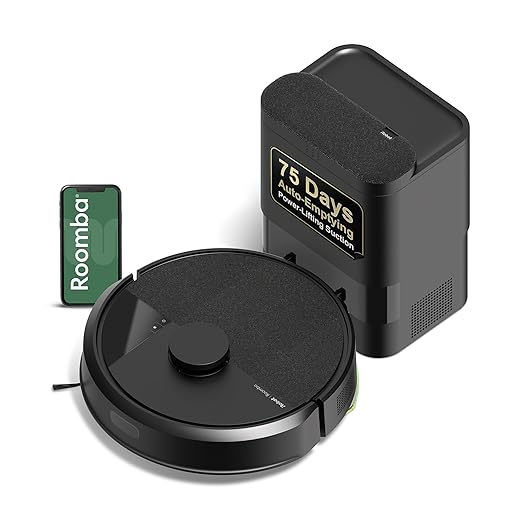
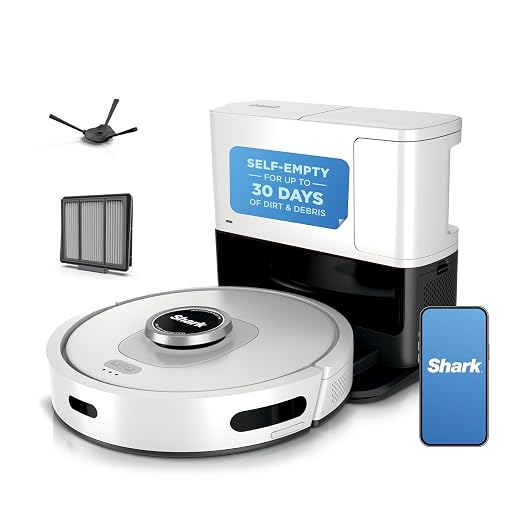

Fix Common Robotic Vacuum Issues—Quick, Easy Solutions
The expectation gap: marketing versus everyday use
The story marketing tells
We buy robot vacuums because ads promise a simple narrative: set it, forget it, enjoy spotless floors. Product pages show empty, minimally furnished rooms and neat lines of coverage—autonomy, perfect mapping, and a dustbin that empties itself. That narrative is irresistible, and manufacturers lean on it because it sells.
The messy reality
Real homes aren’t staged. We have toys, cables, low sofas, dense shag rugs, and pets that shed in unpredictable bursts. A demo of an iRobot in an uncluttered loft doesn’t prepare us for a toddler’s playmat or a stray cord that consistently trips the bumper infrared sensors. Lower-cost models, especially those without robust mapping or obstacle avoidance, revert to randomized cleaning or get stranded under furniture. Even premium models falter when the environment diverges from the polished use case in the ad.
How this mismatch creates frustration
Unmet promises aren’t just annoying — they change behavior. Instead of fewer chores, we add prep steps on our robot vacuum: corral cords, lift chair legs, schedule more frequent manual touch-ups. Every small failure chips away at trust: if the vacuum misses corners or dumps a trail of dirt at its bin, the “hands-off” promise feels dishonest.
Practical steps to close the gap
We don’t need aspirational demos anymore; we need consistent, repeatable floor-care performance. Next, we’ll examine the design trade-offs that often force manufacturers to choose between those polished demos and the rough realities of daily use.
Design trade-offs that undermine daily performance
The specs sheet is a battlefield of compromises. When engineers chase one metric—runtime, clearance, suction—something else gets clipped. We peel back the choices that sound reasonable on paper but create everyday headaches.
Suction versus battery life
More power cleans deeper, but it chews runtime. A model that boasts 4,000+ Pa will finish a single-floor apartment faster but may need a recharge halfway through a two-bedroom home. In practice that means interrupted cycles, incomplete coverage, or robots that limp back to the dock without finishing high-traffic rooms. We prefer machines that offer sensible suction modes and predictable runtimes rather than headline Pa numbers.
Slim chassis versus debris capacity
Low-profile units slide under couches, but the shallow body leaves little room for dust. That slim clearance that wowed us at the store often translates into twice-daily bin emptying. If you own pets or host dinner parties, that trade-off becomes chore inflation rather than convenience.
Brush design and tangles
Aggressive bristles and side brushes dislodge dirt but love hair. We’ve seen cheaper bristle rolls knot into a hairball after one run. Rubberized multi-surface brushes (like iRobot’s newer designs) resist tangles; combination-brush systems pick up fine dust better but demand more frequent cleaning. Pick based on your biggest mess type: hair or fine debris.
Sensors and bumper compromises
Manufacturers skimp on guardrails to save cost. Minimal IR or basic cliff infrared cliff sensorss work in clean test rooms but fail with low-profile cords, glossy tiles, or dark rugs. That’s why a robot can reliably map a showroom and still stall in our kitchens. Regular sensor cleaning and firmware updates help, but only if the hardware baseline is strong.
Practical tips we use immediately
The software gap: maps, updates, and practical intelligence
Mapping and path planning are where a robot stops being a novelty and becomes a real helper — or a project you babysit. We’ve seen machines that produce clean, editable floorplans (think Roborock and higher-end Roombas) and others that redraw the house differently every run, ignoring our room labels and no-go lines. The difference isn’t cosmetic: a stable map means targeted cleans, reliable schedules, and fewer “why are you stuck there?” moments.
Why editable maps matter
When we can name rooms, set no-go zones, and merge or split areas, the robot becomes predictable. Without that, we spend more time correcting it than letting it do its job — moving a chair turns an entire room into a new “unknown” zone. Good map UIs are simple: save, edit, and lock. Bad ones force you to re-teach layout after a power cut or over-the-air updates.
Updates: helpful patches and risky flips
Over-the-air updates can refine navigation or introduce features, but they can also change behavior unexpectedly. We want transparent changelogs and optional installs. It’s frustrating when an “improvement” re-prioritizes edge detection or removes a favorite custom mode; that’s a support ticket, not progress.
Learning algorithms that actually learn
Some robots adapt routes over time, avoiding crowded spots during dinner or rerouting around a chair. Others claim “learning” but simply repeat a pattern that fails in messy homes. The practical measure is consistency: does the robot get better or just different?
Practical tips we use immediately
Ecosystem friction: charging, apps, and third-party reality
Charging docks that don’t behave
A robot that can’t reliably find its dock quickly stops being useful. Dock placement rules—hard floor, level surface, clearances—are picky, and real homes rarely comply. We’ve watched iRobot and Roborock models fail to dock because a rug edge or baseboard trim changed the angle by a few millimeters. That’s not a quirk; it’s a day-to-day reliability problem. When docking fails, you get missed cleans, dead batteries, and more human intervention.
App friction and opaque permissions
Companion apps are the robot’s personality — and a lot of them are privacy and UI minefields. Robots with cameras (Ecovacs, Roborock S-series MaxV) request camera and storage permission, which scares people and raises legitimate privacy questions. Worse, inconsistent naming between app room labels and voice assistants breaks simple routines: “clean living room” becomes “please clean that place we don’t have a mapping for.”
Voice assistants and smart-home fragility
Alexa or Google integrations vary in reliability. Some brands expose rich controls (room-level commands, status) while others only offer start/stop. We’ve seen robots respond to an assistant for one week and then stop after a firmware push. That churn creates confusion and support tickets.

Third‑party parts and long-term cost
Accessory ecosystems matter. When replacement filters, brushes, or auto-empty bags are expensive or out of stock, an otherwise solid robot becomes costly to maintain. Some vendors (iRobot, Roborock) keep parts in-house and in-stock; others leave users hunting eBay.
Practical steps we use immediately
Maintenance and durability: the hidden cost of convenience
What we actually replace — and how often
The “set it and forget it” promise falls apart when filters, brushes, sensors, wheels, and batteries demand regular attention. In practice we see replacement cadences like:
Those are averages; a shedding pet or a small apartment with lots of debris pushes these numbers up quickly.

How maintenance cadence affects lifetime value
We like numbers, because they make trade-offs obvious. A $500 robot with $100/year in consumables and a battery replacement at year three is materially more expensive over five years than a $700 robot with better parts availability and a longer battery warranty. Frequent interventions erode the core benefit—time saved—and turn maintenance into a recurring annoyance rather than a predictable cost.
Durability, repairability, and parts quality
Not all parts are equal. OEM rollers and batteries tend to last longer and are better tested; cheap third‑party batteries can swell or reduce runtime. Design choices matter: tool-free brush removal, accessible dustbins, and screw-mounted panels let us clean or replace parts without a trip to a repair shop. Conversely, glued sensors, proprietary clips, or scarce replacement parts force us into repair cycles or premature replacement.
Practical steps we use immediately
Next, we’ll look at how these durability realities shape market expectations and why incremental updates aren’t cutting it.
Competition and market expectations: why incremental updates aren’t cutting it
The new yardstick is the whole experience
We used to judge robot vacuums by suction and runtime. Now we compare the entire ownership story: how a robot adapts to our cluttered, pet-filled homes; how long it keeps floors acceptably clean between interventions; whether updates improve or break things; and how it coexists with other smart-home gear. A slightly faster motor or a new color doesn’t move the needle when the map gets confused after a week or the battery fades in two years.
Winners invest in coherent design, not feature lists
The companies raising the bar are those that stop bolting on specs and start joining the dots—hardware designed for serviceability, software that genuinely learns from our homes, and ecosystems that respect privacy and interoperability. Think about j7-style obstacle avoidance done well, or Roborock’s iterative nav improvements: these are meaningful because they reduce day-to-day friction, not because they add a checkbox to the spec sheet.
What we should expect — and demand — from manufacturers
Practical steps we can take right now
If manufacturers won’t meet these expectations, buyers will vote with wallets. That pressure — along with clearer purchasing rules from us — is what will push the next meaningful generation of robot vacuums.
Next, we’ll outline what we want from that next generation.
What we want from the next generation of robot vacuums
We want honest claims, smarter software, and durable design that actually reduce chores rather than create new ones. Manufacturers should stop marketing novelty and start optimizing for everyday user experience: reliable mapping, predictable navigation, long-lived parts, better battery life, and firmware updates that improve rather than break. Ecosystems must work seamlessly—charging, scheduling, and third‑party integrations should be transparent and resilient.
Buying decisions matter too: we should expect clear performance metrics and easy maintenance. If makers meet these standards, the next generation will finally justify the promise of autonomous home cleaning.
Frequently asked questions
What is the main point of “Why Your Robot Vacuum Is Disappointing”?
This piece explains where why your robot vacuum is disappointing matters in real buying decisions—not just headline specs. We focus on trade-offs, who benefits most, and what to verify before you spend.
Who should read this why your robot vacuum is disappointing guide?
Read it if you are actively shopping, upgrading, or trying to separate marketing claims from day-to-day use. Skip it if you already own the gear and are not planning a change this season.
What changed recently around why your robot vacuum is disappointing?
Prices, firmware, and feature tiers shift quickly in this category. We call out what is new enough to affect your decision and what is incremental hype you can safely ignore.
How should I use this editorial when buying?
Treat it as context before you compare models: note the risks and priorities here, then cross-check specs and current pricing on the picks that match how you actually use the product.
What is easy to get wrong about why your robot vacuum is disappointing?
Buyers often overweight one spec—brightness, speed, or brand—and underweight fit for their room, ecosystem, or warranty support. We flag the mismatch we see most often in reader questions.
Where should I go next after reading?
Use the related comparisons and top picks linked near the end of this article for model-level shortlists, then confirm return policies and compatibility with the devices you already own.

Iqra Jumar is Option Cutter's editorial writer. She writes practical editorials and buyer guides that focus on real-world upgrades—better Wi‑Fi, cleaner cable setups, smarter streaming, and everyday fixes—not spec-sheet noise alone. Her work helps readers decide what to change now, what to skip, and why.