
We’ve tested dozens of bags and, on balance, hard shells shrug off drops and rough handling while soft shells outplay them on weight, expandability, and packability—so which wins depends on how and where we travel, not just which material is tougher.
We pit Samsonite’s polycarbonate Omni 2 hardside against Travelpro’s Maxlite 5 softside to see which truly LASTS. We test materials, repairability, packing ergonomics, daily wear, and brand ecosystems to judge real‑world durability, cost, and lifecycle value for modern frequent travelers.
Rugged Checked
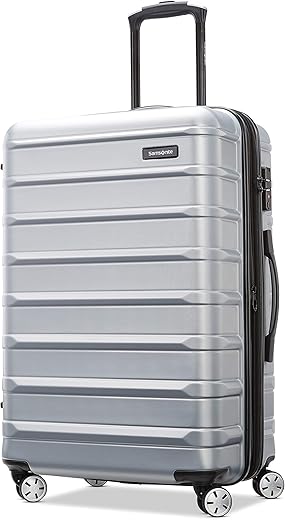
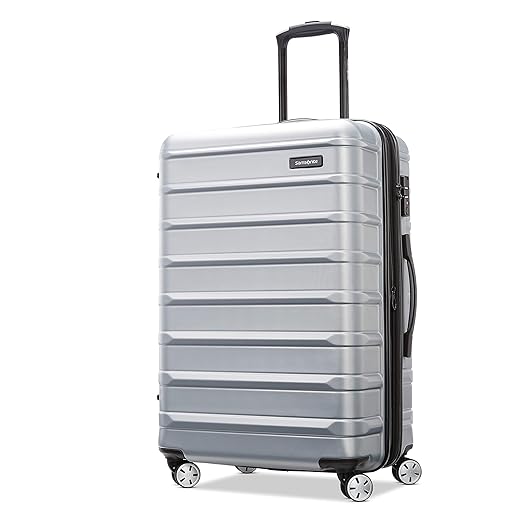
We find this to be a dependable hard-shell option for checked travel where carrying capacity and surface durability matter most. Its feature set — integrated charger, robust spinner wheels, and a roomy interior — makes it a practical mid-priced alternative to premium brands, though the increased weight and the inherent risk of shell cracking keep it from being flawless.
Lightweight Carryon
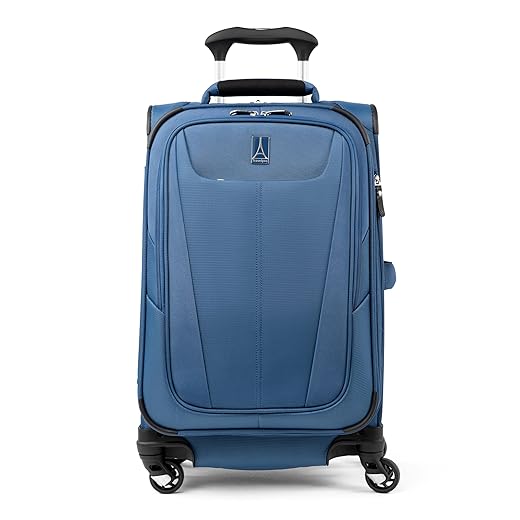
We prefer this for carry-on-first travelers who value lightness, organization, and maneuverability. Its softside flexibility plus exterior pockets and an expandable zipper make it a smarter pick for quick trips and frequent gate checks, though it trades off impact resistance and total volume compared with larger hardshell checked bags.
Samsonite Omni 2
Travelpro Maxlite 5
Samsonite Omni 2
Travelpro Maxlite 5
Samsonite Omni 2
Travelpro Maxlite 5
Hard Shell vs. Soft Carry-On Luggage: The Ultimate Buyer’s Guide
Materials and Construction: How Each Is Built to Last
Samsonite Omni 2 — rigid polycarbonate that defends
We start with the Omni 2’s injection-molded polycarbonate shell, engineered to disperse impacts and resist surface scratches. Welded seams and reinforced corners reduce point failures during rough baggage handling; the telescoping handle is stiff and precise, and the oversized dual-spinner wheels roll smoothly across terminals. The glossy brushed finish hides light scuffs but will show deeper gouges or chips over time. Because the shell is rigid, repair options are limited to cosmetic refinishing or professional shell replacement — both costly.


Travelpro Maxlite 5 — woven fabric with serviceable hardware
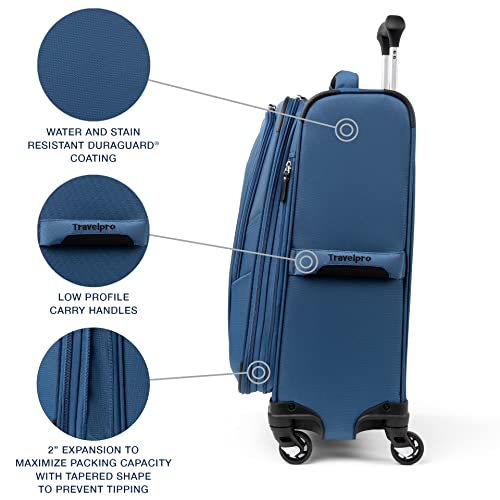
The Maxlite 5 uses high‑tenacity polyester with a DuraGuard water‑resistant coating and reinforced framing. Soft panels flex under load instead of cracking, so a drop is less likely to cause catastrophic failure. Expandability and external pockets boost day‑to‑day utility but expose fabric to abrasion and moisture. Critically, zippers, stitching, and corner guards are easier to repair or replace; Travelpro’s service ecosystem and third‑party parts make maintenance cheaper and faster.


In practice, polycarbonate extends life against crushing loads and protects rigid contents; woven fabric extends practical service life through patching and modular repairs. Beyond shells, the true longevity drivers are wheel bearings, handle assemblies, and zipper robustness. Samsonite’s global parts network narrows the maintenance gap, but expensive shell replacement shifts the calculus for frequent flyers; Travelpro’s cheaper, serviceable components appeal to travelers who prioritize upkeep and adaptability.
Side-by-Side Feature Comparison
Durability in Practice: Our Real‑World Tests and Findings
Field protocol — what we did and why it matters
We put both suitcases through everyday abuse: rolling them across city sidewalks, through tiled airport terminals, onto conveyor belts, and stuffing them to their rated capacities. Those scenarios recreate the repeated bangs and lifts that shorten a bag’s useful life — and they reveal different failure modes for hard and soft shells.
Samsonite Omni 2 — how the hardshell behaved
The Omni 2’s polycarbonate shell shrugged off scrapes and took impacts without visible deformation. Packed to capacity, its clamshell + organizer layout kept fragile items from shifting, which reduces repeat stress to the case. The oversized 360° spinners make pivots in crowded gates effortless, cutting accidental collisions that create dents. That said, when the bag was forced against fixed objects the rigid shell transmitted force to corners and the handle housing — the usual weak points for hardsides.


Travelpro Maxlite 5 — how the softshell behaved
The Maxlite 5 flexed rather than fractured, absorbing compression that would concentrate on a single point in a hard shell. Two exterior pockets were a real UX win: we grabbed chargers and docs without opening the main compartment, which reduced zipper fatigue. The low base weight made lifting and stowing easier — practically, that means fewer slammed drops and less long‑term wear. Fabric scuffs and occasional staining didn’t affect function but do lower perceived longevity and resale value.

Component failures we tracked
Travelpro’s cheaper, serviceable assemblies mean lower repair bills; Samsonite’s integrated hardware feels more refined but can require specialized parts or factory service. In today’s market — where durability, convenience, and easy upkeep all matter — the trade‑offs are clear: hardshells protect fragile contents better; softsides win on reparability and daily practicality.
Design and UX: Ergonomics, Packing, and Everyday Wear
Weight, balance, and packing behavior
We look at how a bag’s baseline weight and internal structure change how people pack and treat it. The Samsonite Omni 2’s rigid clamshell, molded dividers, and 82‑L capacity keep contents immobile, which reduces zipper and seam stress even when fully loaded. That structure raises the tare weight, but it means fragile kit survives checked travel more reliably. The Travelpro Maxlite 5’s 5.4‑lb carry‑on frame favors stuffing soft items and squeezing every liter under airline limits.
Handles, wheels, and lift ergonomics
Both use 360° spinners, but their implementations differ in ways that affect long‑term UX. Omni 2’s oversized dual spinners and beefy handle housings roll smoothly and feel stable; the shell transmits impacts to those housings under extreme force. Maxlite 5’s PowerScope Lite handle and compact wheel placement reduce roll resistance and make overhead lifts easier — a small daily comfort that translates to less slammed‑down abuse over time.
Interior organization and accessibility
Samsonite’s integrated tie‑downs and zipped mesh divider preserve shape and protect electronics; that restraint lowers cumulative stress on closures. Travelpro’s external pockets and 2″ expandable cuff offer gate‑side convenience and packing flexibility but add zipper wear points and potential snag hazards.
Serviceability, ecosystem fit, and who it’s for
We recommend matching the bag to your routine: choose Omni 2 for packed fragile gear and checked‑baggage reliability; pick Maxlite 5 for frequent carry‑on use, easy repairs, and lightweight practicality. Factor in local resale demand and warranty terms when deciding.
Cost, Repairability, and Lifecycle Value — The Economics of Longevity
Upfront price, warranty, and service footprint
We treat longevity as an economic equation: purchase price, downtime, repair cost, and resale. Samsonite Omni 2 carries the higher retail price but pairs that with a 10‑year limited warranty and a broad global service network with OEM parts access. That matters if you travel internationally and need a fast, manufacturer‑backed fix. Travelpro Maxlite 5 is positioned as the lower‑cost, lower‑friction option for repairs, backed by Limited Lifetime Coverage plus the one‑year Trusted Companion Promise for carrier damage.
Repairability and DIY fixes
Softside wins for simple, local fixes. Zippers, wheel modules, and fabric panels are routinely replaced by cobblers or luggage shops; parts are cheap and easy to source. Hardshell repairs often require OEM parts or professional service—shell cracks, hinge damage, or integrated wheel housings are harder to patch convincingly.
Modeled failure scenarios (practical costs)
We modeled common failures to compare total ownership:
These scenarios show Travelpro often has lower out‑of‑pocket repair costs and less downtime; Samsonite can avoid catastrophic repairs by preventing impact damage in the first place, which offsets costs for power users.
Resale and end‑of‑life value
Resale favors intact hardshell cases—scratches hurt aesthetics and price, but a functional shell keeps value. Fabric bags are easier to clean and patch, preserving utility but typically commanding lower resale prices. Pick Travelpro if you prefer fix‑and‑keep economics; pick Samsonite if upfront protection and manufacturer support are worth the premium.
Final Verdict — Which One Lasts Longer?
We find longevity use-case driven: Samsonite Omni 2 wins for international flyers with fragile gear — polycarbonate shell, rigid design and global support outlast fabric despite higher repair costs.
Travelpro Maxlite 5 wins for budget-minded, repair-friendly travelers; lightweight fabric, flexibility and inexpensive parts deliver longer practical life. Which fits your trips more often?

Chris is the founder and lead editor of OptionCutter LLC, where he oversees in-depth buying guides, product reviews, and comparison content designed to help readers make informed purchasing decisions. His editorial approach centers on structured research, real-world use cases, performance benchmarks, and transparent evaluation criteria rather than surface-level summaries. Through OptionCutter’s blog content, he focuses on breaking down complex product categories into clear recommendations, practical advice, and decision frameworks that prioritize accuracy, usability, and long-term value for shoppers.