
We weigh the user-experience tradeoffs, design quirks, and ecosystem costs of hauling everything onboard or checking it — and show why, in a world of cramped cabins, budget fees, and smart-luggage ecosystems, one choice often saves time, money, and sanity.
We’ve all stood at the gate deciding what to bring. We compare a travel‑ready 22″ Away carry-on with a roomy 28″ Samsonite checked suitcase, focusing on practical trade‑offs—packing, durability, mobility, and cost—to choose smarter for each trip and every itinerary.
Best Carry-On
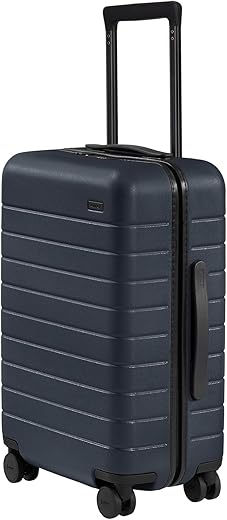
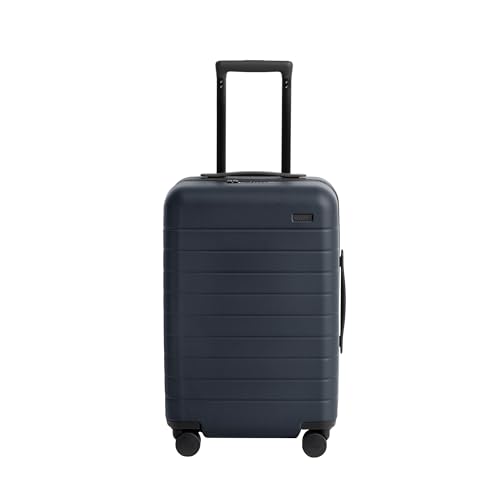
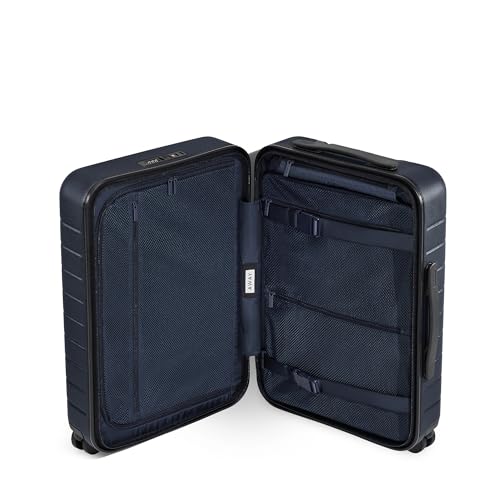
We appreciate the balance of build quality and everyday usability here: the shell and wheels feel premium, and the compression system actually improves packing efficiency. For frequent short trips and overhead-stowed travel, this configuration makes more sense than a bulky checked bag, though the price and limited expansion may turn off travelers who need maximum flexibility.
Best Checked
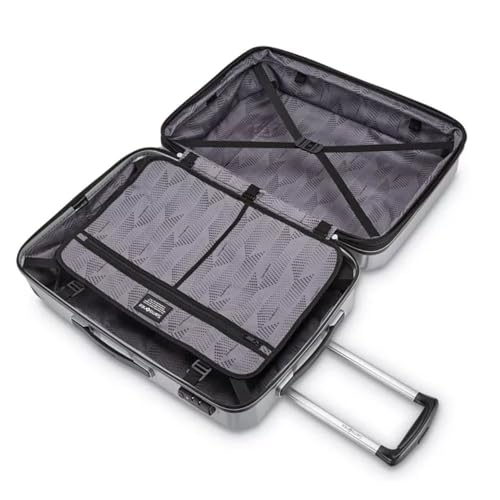
We find this big spinner is a solid choice for longer trips thanks to its roomy interior and efficient wheels, but it plays in a different category than a true carry-on. If you need maximum capacity and don’t mind checking luggage, the Winfield 3 DLX gives a durable-feeling package at a competitive price, though durability reports are mixed and it’s heavier to maneuver in tight spaces.
Away Carry-On
Samsonite 28″
Away Carry-On
Samsonite 28″
Away Carry-On
Samsonite 28″
Carry-On vs. Checked Luggage: Which Is Best for Your Trip?
Sizing & Travel Use Cases: When to Carry-On and When to Check
Short trips, business travel, and frequent flyers
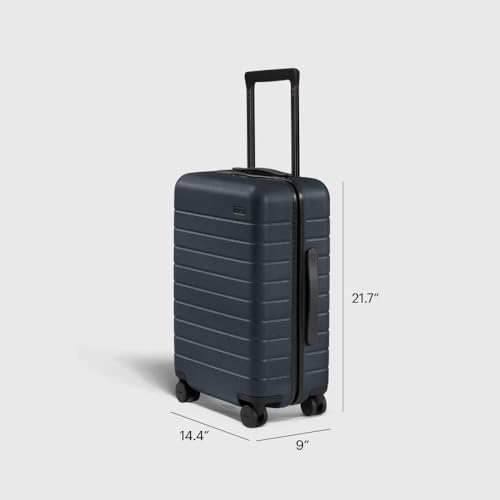
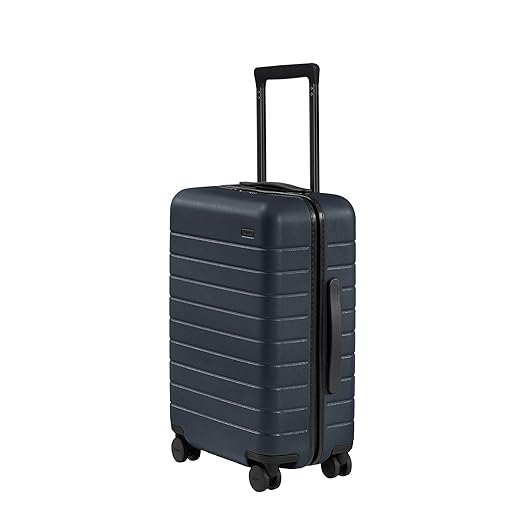
For 1–4 day business trips or weekend getaways we default to carry‑on only. The Away 22″ is airline‑approved, light (about 7.5 lbs), and built to slide into overhead bins so we skip the check‑in counter and the baggage carousel. That saves us time and friction—no checked‑bag fees and no waiting at arrivals—so we get from plane to ground transport faster and with less risk of disruption.
Family vacations, long‑haul travel, and heavy packers
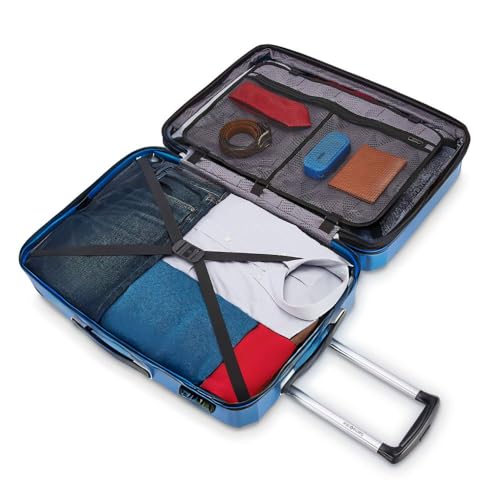
When we’re packing for a family, a multi‑week trip, or hauling gear (coats, shoes, extras), the Samsonite 28″ checked bag gives real advantage: much more usable volume, an expandable gusset for a last‑minute zipper‑burst, and interior dividers for organized packing. We accept the trade: a heavier suitcase to lift and longer turnaround time at the carousel in exchange for items that simply won’t fit in a carry‑on.

How airline rules, connections, and trip length change the calculus
Feature Comparison Chart

Design, Build & Mobility: Materials, Handling, and Durability
We evaluate the tactile, mechanical, and durability aspects that affect everyday use. The Away carry-on emphasizes a lightweight hardshell, easy-rolling spinners, and a streamlined profile that helps in cramped overhead bins; we discuss how that design reduces strain and boarding friction. The Samsonite Winfield 3 DLX prioritizes large-capacity construction and an expandable shell, with textured surfaces and rugged edges to survive baggage handling—trade-offs include heavier weight and different handling on stairs or crowded trains. We compare materials, wheel chassis, handle mechanisms, shell resilience, and how each design choice performs across urban transit, airports, and repeated airline handling. We close by explaining why these choices matter in a market where durability, repairability, and perceived premium finish shape long-term value.
Materials & shell resilience
Away and Samsonite both use 100% polycarbonate shells, but they tune them differently. Away’s thinner, lighter shell (about 7.5 lb) prioritizes a rigid-but-light feel so we can lift it into overhead bins without oversize heft. Samsonite’s Winfield 28″ uses a thicker, textured polycarbonate that resists visible scratches and scuffs on checked-bag routes, at the cost of added weight (around 11 lb).
Wheels, chassis, and mobility
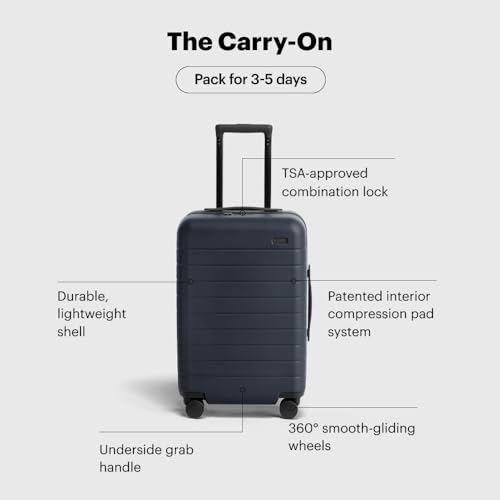
Away’s premium 360° spinner wheels and quick-release telescoping handle make rolling in tight airport concourses and squeezing down train aisles effortless; the smaller footprint also reduces awkward pivots when stowing overhead. Samsonite uses oversized multi-directional spinners that glide well on flat surfaces and handle heavier loads, but they feel less nimble on stairs, curbs, and crowded platforms.
Handles, ergonomics & daily handling
Away’s low-profile grab handles and two-height trolley reduce strain when lifting; the shorter carry-on profile helps us avoid awkward overhead wrestles. Samsonite’s self-retracting handle and big top grab are sturdy for checked use, but the heavier shell increases effort when loading into trunks or onto belt systems.
Durability, repairability & long-term use
Why it matters: the choice is a trade-off between everyday ease (Away) and rugged capacity (Samsonite). Pick the one aligned with how often you lift, roll, and check bags.
User Experience & Ecosystem: Packing, Organization, and Brand Support
Internal layout and daily packing
We care about how a bag behaves when we’re packing for a flight at 11 p.m. Away’s patented compression pad, simple two-zone layout, and included laundry bag make packing fast and repeatable—ideal for frequent short trips where consistent organization matters. The carry-on’s structured interior keeps garments flat, so unpacking and re-packing is predictable.
Compression versus expandable capacity
Here the products diverge in philosophy. Away locks you into a tidy, compressed carry-on load (no gusset), which keeps you within airline limits but limits flexibility. Samsonite’s 28″ Winfield DLX adds an expandable zipper and a roomy reversible divider, so we can bulge on the way home or shove in bulky souvenirs without stressing seams. That extra room matters when trip length or shopping isn’t fixed.
Accessories, compatibility, and retail reach
We looked at what each brand lets you add or repair.

Warranty, repairability, and lifecycle costs
Warranty and service shape total cost of ownership. Away’s limited lifetime warranty and direct-repair channels make for a low-friction customer experience if something fails; resale value is strong for recent, well-kept models. Samsonite’s global service network and lower entry price make repairs and parts (wheels, handles, zippers) easier and often cheaper at independent shops—helpful for a checked bag that will see rougher treatment.
Why this matters: choice isn’t just about capacity; it’s about how the bag fits into how we pack, fix, and eventually replace it.
Cost, Value & Competitive Context: Which Gives More for the Money
Upfront price versus expected lifespan
We compare dollars and durability directly. The Away carry-on sits around $275; the Samsonite Winfield 3 DLX checked 28″ is about $190. Away costs more up front but is lighter (7.5 lb), backed by a limited lifetime warranty, and built as a frequent-flier-friendly carry-on. Samsonite is cheaper, heavier (~11 lb), and built for checked use where ruggedness and replaceable parts matter more. That higher initial cost for Away buys convenience and lower per-trip friction for short trips.
Ancillary savings and traveler economics
Avoiding checked-bag fees is the single biggest recurring saving for carry-on-first travelers. Domestic checked fees commonly range $25–$35 each way; a few round trips can erase the price gap between these bags.


Resale, repairs, and lifecycle value
We value repairability for a checked bag: Samsonite’s global parts network keeps lifecycle costs low. Away’s direct-repair model and strong resale for recent models shift total value toward the carry-on if you replace more often or want hassle-free service.
Market trends and who benefits
Airlines increasingly charge for checked bags and travelers favor lightweight, durable materials. If you fly frequently and hate fees or delays, Away’s convenience and brand ecosystem likely give more value. If you need capacity for long trips, occasional checking, and lower upfront spend, Samsonite delivers more utility per dollar.
Final Verdict: Which Is Smarter for You?
We favor the Away 22″ as the smarter pick for most modern travelers: its streamlined design, durable polycarbonate shell, and cabin-ready sizing speed up transit, avoid checked-bag fees, and integrate with a minimalist travel ecosystem. Samsonite 28″ wins when raw volume, expandability, and checked-trip durability matter.
Checklist: Choose Away 22″ — frequent short trips, speed, fewer fees. Choose Samsonite 28″ — long trips, family packing, extra capacity. Decide now — which fits your itinerary?

Chris is the founder and lead editor of OptionCutter LLC, where he oversees in-depth buying guides, product reviews, and comparison content designed to help readers make informed purchasing decisions. His editorial approach centers on structured research, real-world use cases, performance benchmarks, and transparent evaluation criteria rather than surface-level summaries. Through OptionCutter’s blog content, he focuses on breaking down complex product categories into clear recommendations, practical advice, and decision frameworks that prioritize accuracy, usability, and long-term value for shoppers.