
Can your doorbell actually hold a conversation? Two‑way audio that sounds like a real person — not a tin can.
Stop playing charades with delivery drivers.We want doorbells that let us speak clearly, hear replies, and settle a porch interaction in seconds — not through crackly delay or echo. Two‑way audio on a video doorbell is the difference between useful security and polite frustration.
We tested models in our Top Picks across battery and wired setups, looking at mic/speaker placement, echo cancellation, and how each fits into Alexa or Google ecosystems. We focused on real‑world UX: how easy it is to start a conversation, how reliably the other person can hear you, and what the design and app experience add to everyday use.
Top Picks
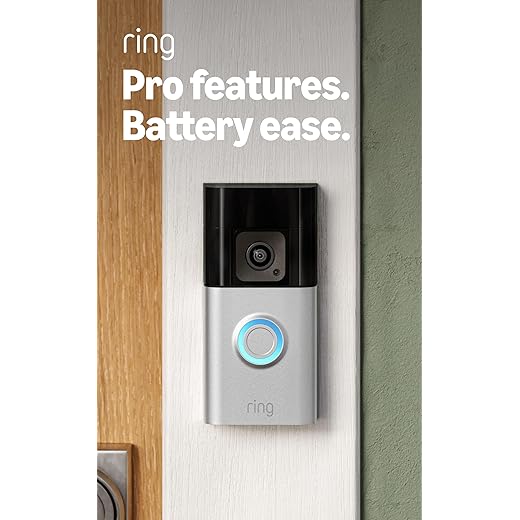




Ring Battery Doorbell Pro, HD+ Head-to-Toe
It blends higher resolution, improved motion radar, and Audio+ for clearer conversations. The Pro hits the sweet spot between advanced detection and easy installation for modern smart homes.
Why we like it
We see the Ring Battery Doorbell Pro as the most balanced battery-powered option for people who want richer sensing and higher resolution without wiring. The leap to HD+ and the 3D motion mapping make alerts more actionable, and Audio+ meaningfully improves two‑way conversations when compared with older models.
Notable hardware and software points
Practically, that means fewer nuisance notifications and clearer clips when you need them. Installation is still designed for a consumer audience — the Pro can be installed without specialized electrical work — but setup nuances (like chime compatibility) can trip up a handful of users.
How it fits in the market
In the current market the Pro competes with other premium battery doorbells by pairing sharp imaging with better motion intelligence. If you want the clearest on-device experience and tighter integration with Alexa devices, the Pro is worth the premium. Keep in mind the subscription model if you anticipate heavy use of event history and advanced person/package differentiation.
Google Nest Doorbell (Wired, 3rd Gen) 2K
Wired power unlocks consistent performance and 2K HDR clarity that makes a difference when you need details. Tight Google Home features and Gemini‑powered summaries are useful if you rely on voice assistants.
Our read on the 3rd‑gen wired Nest Doorbell
The wired Nest Doorbell is where Google shows what tight device‑cloud integration looks like: high‑resolution 2K HDR video, smart event summaries via Gemini, and reliable on‑demand Live View. We see it as a top pick for homeowners who can accommodate a wired install and want best‑in‑class video and AI assistance from Google.
Features that matter day to day
Wired power eliminates the maintenance overhead of batteries and tends to improve responsiveness and uptime. The Google Home app keeps the experience integrated with other smart devices, and Gemini‑powered summaries are a helpful timesaver when reviewing long stretches of footage.
What to watch for
Installation requires a 16–24VAC transformer and potentially replacing a chime or wiring, which can add install complexity. Also, the subscription for advanced features adds ongoing cost, so factor that into the total ownership price. If you want seamless Google Assistant routines and the best image quality for identifying details, this is the most polished wired option we’ve tested.
Arlo Video Doorbell 2K (2nd Gen), Wired/Wireless
The Arlo doorbell pairs 2K resolution with a 180° head‑to‑toe view, giving you the most context at the doorstep. Two‑way audio and package/person detection make it a strong performer in diverse homes.
Snapshot
We like Arlo’s 2nd‑gen doorbell when you want the broadest context around your porch. The 180° field of view is genuinely helpful for capturing package placement, steps, or a visitor’s approach, and 2K clarity gives you useful detail for most identification tasks.
Design and day‑to‑day use
The two‑way audio is serviceable for typical front‑door conversations. Where Arlo leans premium is in detection features and the optional secure plan, which unlocks longer storage and more precise person/vehicle classification. If you plan to use those features, budget for the plan; otherwise, baseline notifications and live view still work well.
Competitive context
In a market where Ring and Google dominate, Arlo differentiates on optics and optional on‑device deterrents (siren, spotlight). For households that prioritize maximum scene coverage and flexible powering, Arlo is one of the sharper choices available.
eufy E340 Dual‑Camera Video Doorbell 2K
Dual cameras give a layered view—one for faces, one for packages—while local storage removes recurring cloud fees. Two‑way talk is responsive and color night vision is a practical plus for night clarity.
Overview
The eufy E340 stands out because it addresses a common pain point: missing package shots caused by single‑angle cameras. By pairing a forward and downward camera, eufy gives you both a face view and a clear look at packages on the ground. For buyers sensitive to subscription fees, the option to store footage locally is a clear draw.
What the hardware does well
We found the color night vision especially useful in dimly lit porches where monochrome IR washes out details. The system’s local storage reduces ongoing costs, but you trade some cloud conveniences for that privacy and savings.
Real‑world tradeoffs
If you want plug‑and‑play cloud AI or broader third‑party voice integrations, eufy’s ecosystem is still catching up. But for households that prioritize privacy, straightforward performance, and the ability to avoid monthly bills, this is one of the most practical choices on the list.
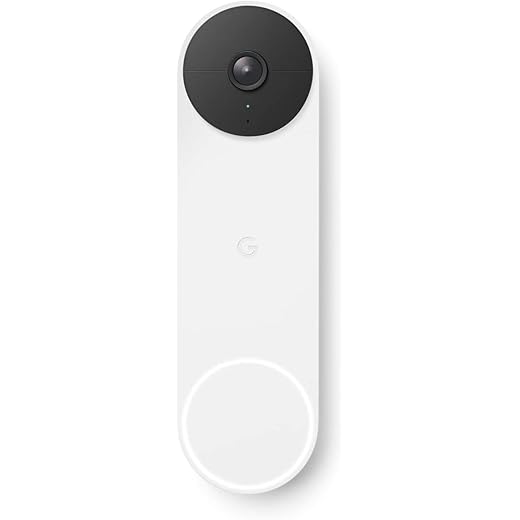
Google Nest Doorbell (Battery), Smart Wireless
It’s a clean, well‑designed battery doorbell with solid integration into Google Home and Alexa. The AI notifications and local backup options make it compelling for privacy‑minded users in the Google ecosystem.
Design and integration
We appreciate the Nest Doorbell (battery) for its understated design and tight Google Home integration. The setup is familiar to anyone in the Google ecosystem: quick pairing, consistent notifications, and smooth casting to Nest displays. The trade‑off is that many of the AI conveniences—summaries, face learning—are behind the Google Home subscription.
Performance highlights
In everyday use the two‑way audio is responsive and the notifications are generally accurate once you tune activity zones. The battery model won’t match wired units in continuous uptime, but it’s a practical option for entries where wiring is impractical.
Who should consider it
We recommend this doorbell to households already committed to Google’s smart‑home stack. If you use Nest speakers, Chromecast devices, or rely on Google Assistant routines, the battery Nest doorbell will feel coherent and capable. If you’re looking for the absolute highest resolution or a completely subscription‑free experience out of the box, other options may be a better fit.
Wyze Wireless Doorbell Pro with Chime
Wyze delivers a high‑value doorbell with a 1:1 head‑to‑toe sensor and an included chime. For users already in the Wyze ecosystem, it’s the most affordable way to add capable two‑way audio and decent resolution.
Value proposition
Wyze’s Wireless Doorbell Pro is a classic Wyze move: pack a long feature list into an affordable device. The 1:1 aspect ratio gives useful head‑to‑toe coverage while the included chime means you aren’t forced to route wiring or buy accessories. For folks invested in Wyze cameras it slots into an existing account without adding friction.
Day‑to‑day performance
We observed that users who tune down unnecessary detection and set activity zones can extend battery life significantly. The price makes it easy to accept occasional connectivity flakiness, but if you need rock‑solid enterprise reliability, higher‑end models will be a better fit.
Summary takeaways
If you want the most door for the least money and you’re comfortable with a modest subscription for advanced AI, this is one of the most persuasive low‑cost doorbells available. It’s especially appealing in apartments or secondary doors where you want functionality without wiring.
Ring Battery Doorbell 2-Pack, Head-to-Toe
A no-nonsense battery doorbell that prioritizes ease of use and Alexa integration. It delivers reliable two-way audio and clear head-to-toe video for everyday front‑door monitoring.
What we think
We find this Ring Battery Doorbell attractive for people who want a plug-free, familiar smart‑home experience. It’s focused on getting the basics right: good daytime video, reliable motion alerts, and two‑way audio you can use from your phone or an Echo Show. For many households the convenience of USB‑C recharges and the broad Alexa ecosystem integration will outweigh the recurring cost of a subscription.
Key features and user experience
The app experience is predictable: intuitive menus, quick access to Live View, and straightforward motion sensitivity controls. The trade‑off is Ring’s subscription model — without it you can use live view and get alerts, but you won’t have rolling cloud history or advanced AI alerts like person/package classification.
Practical considerations
We recommend this for renters, porch‑camera newcomers, or anyone who wants easy install without wiring. If you expect heavy activity at the door (busy urban sidewalk, frequent deliveries) battery swaps or recharges will be part of the maintenance rhythm. For full forensic value and richer notifications you'll likely end up subscribing to Ring Protect, so factor that into long‑term cost comparisons.
eufy Battery Doorbell C210 Kit, 1080p, Long Life
This C210 kit gives surprising longevity on a single charge and local storage without an ongoing fee. It’s a pragmatic, wallet‑friendly choice if you can accept 1080p resolution instead of 2K.
Why pick the C210
We recommend the eufy C210 for buyers who want a capable doorbell without subscription surprises. The package includes a chime unit that stores footage locally, which makes this a low‑cost, privacy‑friendly setup for many homes. Battery longevity is the unit’s headline benefit; in moderate use it genuinely stretches well beyond cheaper competition.
Features and usability
It isn’t the flashiest device, but the day‑to‑day experience—notifications, Live View, and two‑way talk—tends to feel polished. Do manage expectations on absolute image detail; 1080p is adequate for most use cases but won’t give the same crop detail as 2K doorbells.
Who should buy this
If you’re on a budget, rent, or strongly prefer a low‑cost ongoing ownership model, the C210 is hard to beat. It’s especially compelling if you value battery life and offline storage over premium AI features or the highest video resolution.
Amcrest 4MP AD410 Doorbell Camera, Wide Angle
This Amcrest model favors open standards like RTSP and ONVIF, making it a good fit for DIY setups and Blue Iris/NVR users. It has strong resolution and a wide angle, but the consumer app experience feels dated.
Who this is for
We think the Amcrest AD410 suits buyers who run local video systems and want a doorbell that plays nicely with NVRs and DIY ecosystems. The RTSP/ONVIF compatibility and 4MP sensor mean you can ingest a high‑quality stream into Blue Iris or other local software without relying on cloud middlemen.
Practical considerations
In daily use the visuals are sharp and wide, and human detection helps reduce false notifications. But the companion app and some installation idiosyncrasies feel less polished than mainstream consumer competitors. Expect a bit more tinkering on the networking side compared with Ring or Nest.
Final assessment
If you prioritize local control and want to integrate a doorbell into an existing NVR or Blue Iris workflow, Amcrest is a compelling and cost‑effective choice. If you want a frictionless cloud experience and minimal setup, a more consumer‑focused option may be a better fit.
Remo+ RemoBell S, 180° Wide Wireless Doorbell
It gives a roomy 180° view and basic cloud storage for an approachable price. The Remo+ app and occasional regional limitations are the main caveats we’d call out.
What we like
RemoBell S is oriented at buyers who want a wide, inexpensive doorbell camera and a simple cloud tier to get started. The 180° field of view is unusually generous at this price point, and basic two‑way audio and motion zoning mean it covers most everyday needs.
Performance notes
The user experience is functional: setup and mounting are well supported with the included accessories. The weak link for some buyers is the app and the occasional geo‑locking or cloud configuration hurdles reported in certain markets; research regional support before buying.
Bottom line
We recommend RemoBell S as an entry‑level wide‑angle choice when you don’t want to overspend and just need broad coverage. If you need top‑tier image fidelity, robust international app support, or advanced AI, consider spending up to the next tier.
Final Thoughts
We recommend the Ring Battery Doorbell Pro for most people who want the best battery doorbell experience with strong two‑way audio. — see IP cameras safely for context. Its higher resolution, improved motion radar, and Ring’s Audio+ produce clearer conversations from different distances and noisy porches. The Pro is our pick if you need wireless installation, want advanced detection that reduces false alerts, and rely on Alexa compatibility. It’s the sweet spot between modern features and easy setup.
If you prefer wired power and the clearest image during a conversation, choose the Google Nest Doorbell (Wired, 3rd Gen) 2K. Wired power gives consistent performance and the 2K HDR feed matters when you need to read labels or IDs during a live exchange. Nest’s tight Google Home integration and AI‑driven summaries are useful if you’re already inside Google’s ecosystem and value clear visual context alongside reliable two‑way talk.
If privacy and local storage are your priority, keep the eufy E340 Dual‑Camera as a close alternative — it pairs responsive two‑way talk with subscription‑free local recording, which matters more now that people expect sensible data controls.
Frequently asked questions
How did we pick these video doorbells with two-way audio options?
We shortlist models that balance performance, reliability, and value for typical buyers—not just the highest spec sheet. Hands-on notes, owner feedback, and return/warranty policies all feed the ranking.
Which video doorbells with two-way audio pick is best for most people?
Start with our top overall choice if you want the safest balance of price and features. Move up or down the list only when a specific need—budget, ecosystem, or a must-have feature—clearly applies to you.
Do prices on this video doorbells with two-way audio list change often?
Yes. Retailers run frequent promos, so use the live price buttons on this page and compare shipping and return windows before checkout—the best deal is not always the lowest sticker price.
Should I buy the cheapest video doorbells with two-way audio on the list?
Only if the trade-offs fit your use case. The budget pick can be excellent value, but check what you give up in build quality, software support, or key features you will use every week.
What if none of these video doorbells with two-way audio picks fit?
Use the comparison and guide links on this page to narrow by size, platform, or feature, then revisit the list with your must-haves written down—forcing a mismatch creates more returns than savings.
How often is this video doorbells with two-way audio roundup updated?
We refresh rankings when major models launch or pricing shifts enough to change the value story. Check the publish date at the top and compare current specs if you are reading months later.

Princess Rioboca is the Lead Editorial Writer at Option Cutter, bringing over seven years of hands-on experience in consumer technology journalism. Specializing in home networking and smart home architecture, she transforms complex technical data into practical, real-world upgrades. Princess personally tests and audits every product she reviews—evaluating real-world Wi‑Fi throughput, cable management durability, and streaming ecosystem stability—to filter out spec-sheet noise. Her rigorous, field-tested insights are designed to give readers transparent, unbiased buying advice on what to purchase, what to skip, and exactly why.