We test how running shoes and cross-trainers stack up across comfort, support, and versatility—so you can decide whether purpose-built performance or jack-of-all-trades utility actually wins in today’s crowded footwear ecosystem.
We compare the Nike Womens Pegasus 41 and the Reebok Nano X5 to help you decide whether a dedicated running shoe or a versatile cross-trainer fits your routine and priorities in this comparison. We weigh comfort, durability, performance trade-offs, and ecosystem fit so you pick the right shoe.
Daily Running

Gym Stability

Nike Pegasus 41
- Lively, highly cushioned ride that reduces fatigue on long runs
- Lightweight engineered-mesh upper increases breathability and comfort
- Well-tuned midsole (ReactX + Air Zoom) for everyday road running
- Good value for a daily trainer at its price point
- Not optimized for lateral stability needed in many gym workouts
- Can run slightly small; light colors show dirt quickly
Reebok Nano X5
- Excellent lateral and heel stability for lifting and dynamic movements
- Durable Flexweave upper balances breathability and toughness
- Dual-density midsole offers stability in the heel and responsive forefoot
- Very versatile for mixed sessions: lifting, metcon, and short runs
- Heavier and less cushioned for longer road runs compared with dedicated running shoes
- Some users report narrow fit or the need to size up
Feature Comparison
| Daily Running Nike Pegasus 41 | VS | Gym Stability Reebok Nano X5 |
|---|---|---|
9 / 10 | Cushioning |
7.5 / 10 |
8.5 / 10 | Responsiveness |
7 / 10 |
7 / 10 | Stability |
9 / 10 |
8.5 / 10 | Breathability |
7.5 / 10 |
6.5 / 10 | Versatility |
9 / 10 |
$108.79 | Current price |
$149.99 |
| Buy for $108.79 | Buy for $149.99 |
Cross Training vs. Running Shoes: How to Pick the Perfect Pair
Fit, Feel, and Everyday Comfort: What Using Them Is Like
On the road: Nike Womens Pegasus 41
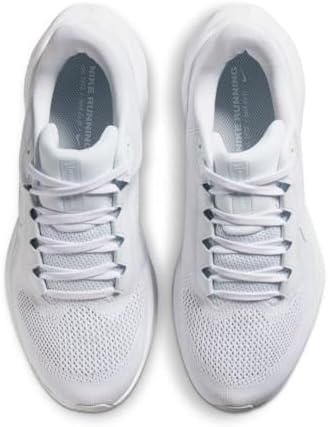
We found the Pegasus 41 to feel immediately familiar to anyone who runs regularly on pavement. The ReactX midsole with dual Air Zoom units gives a lively, springy ride that reduces perceived fatigue on longer outings. The engineered mesh upper is lightweight and breathable — it rarely traps heat, so it stays comfortable for repeated miles. One practical note: the Pegasus runs slightly small for some wearers, so we recommend trying a half size up if you’re between sizes or prefer room in the toe box.

In the gym and short runs: Reebok Nano X5
The Nano X5 prioritizes stability and lockdown over plushness. Its dual-density midsole and molded heel create a planted feeling for squats and lateral work; the plush collar keeps the foot secure during dynamic movement. That platform translates to confident gym sessions and short runs, but it feels heavier and less bouncy than the Pegasus on sustained road mileage. Break-in is modest — the outsole and Flexweave upper need a few sessions to soften, but the Nano is ready for heavy use out of the box.


Sizing, breathability, and everyday wear
We noticed
Design, Construction, and Durability: Built for Roads or Boxes?
Nike Pegasus 41 — engineered for smooth, repeated miles
Nike designed the Pegasus 41 around forward motion: lightweight engineered mesh, welded seams where possible, and a stacked ReactX foam with dual Air Zoom units tuned for a heel‑to‑toe rollover. That combination reduces weight and concentrates cushioning under the forefoot and heel, which feels lively but also directs most wear to predictable strike zones.
We note


Reebok Nano X5 — reinforced for lateral load and longevity in the box
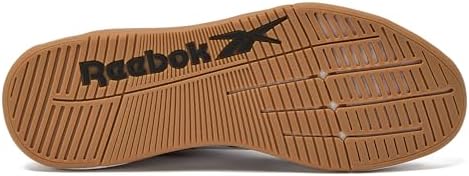
The Nano X5 is built like a gym tool. Flexweave knit is woven to resist tearing, sidewalls are reinforced, and the dual‑density midsole plus a flatter, broader platform prioritizes stability over rocker‑style roll. Stitching and overlays are concentrated where ropework and lateral rub occur, so the shoe survives metcons that would shred softer trainers.
We note

Durability expectations by use
Performance Trade-offs: Running Efficiency vs Multi-Discipline Versatility
What each shoe prioritizes
We separate two different performance philosophies. The Pegasus 41 is tuned for forward motion: lighter upper, responsive ReactX + dual Air Zoom, and an outsole geometry that encourages a smooth heel‑to‑toe rollover. That equals better stride economy on steady runs and less perceived effort over distance.


The Nano X5 trades some rebound and weight for a planted, wide platform, firmer heel, and aggressive grip. It’s built for lateral forces, rope climbs, and quick direction changes—so it shines in lifting, metcons, and short, varied runs.
Key metrics that actually change your training
We focus on measurable shoe properties that affect outcomes
Why picking one matters for injury risk and progress
If we use the Nano for long daily miles, increased weight and a firmer, less compliant midsole can raise fatigue and change strike patterns, increasing overload injuries. — see sports injury prevention for context. Conversely, using the Pegasus for heavy squats or quick lateral work risks ankle instability and midsole collapse at the edges. In the current market, that means choose based on your primary stimulus—mileage or mixed-modal strength/agility—to get consistent progress and fewer repair cycles.
Ecosystem, Compatibility, and Competitive Context
Brand ecosystems: apps, services, and retail
We look at how these shoes plug into broader brand systems. The Pegasus 41 sits squarely inside Nike’s run-first ecosystem — Nike Run Club training plans, routine shoe‑tracking nudges, and wide retail distribution make it an easy repeat purchase for runners. That convenience matters if you want guided training and consistent replacement cadence. The Nano X5 lives in Reebok’s cross‑training world: less app-driven coaching, more product lineage aimed at gyms and CrossFit boxes.
Third‑party accessories and sizing realities
Fit and compatibility are practical day‑to‑day concerns. The Nano X5 ships with a removable insole and a stable heel, so adding custom orthotics or experimenting with insoles is straightforward. The Pegasus benefits from many aftermarket insoles too, but it’s worth noting it can run slightly small — we recommend checking Amazon’s return window or sizing up a half size.
Price and market position
Price influences long‑term plans. On Amazon the Pegasus 41 (~$80) is positioned as high-value daily trainer; the Nano X5 (~$130) charges a premium for multi‑discipline durability and stability. That delta matters if you replace shoes twice a year versus buying one pair to do everything.
How they stack against category rivals
What this means for your plan
We recommend the Pegasus if your ecosystem preference is app‑led running and a budget‑friendly rotation. Choose the Nano X5 if you want a single, durable shoe for lifting, metcons, and occasional runs — even if that means sacrificing some long‑run comfort and paying more up front.
Frequently asked questions
Which is better, Running Shoes or Cross Trainers?
There is no universal winner: Running Shoes fits some buyers and Cross Trainers fits others. We compare specs, daily use, and trade-offs in this guide so you can match the pick to your budget and workflow, not a single spec sheet.
What is the main difference between Running Shoes and Cross Trainers?
Running Shoes and Cross Trainers target overlapping but not identical use cases. The sections above break down design, performance, ecosystem, and value so you can see where each product pulls ahead and where it compromises.
Should I buy Running Shoes or Cross Trainers first?
Buy the product that removes your biggest daily friction first. If Running Shoes solves your primary pain point, start there; if Cross Trainers is the bottleneck in how you actually work or play, prioritize it. Many households add the other later.
Is Running Shoes worth it over Cross Trainers?
Running Shoes is worth the premium over Cross Trainers when you will use the features that justify the price—extra performance, build quality, or ecosystem lock-in. If those extras go unused, Cross Trainers usually delivers better value.
Can Running Shoes replace Cross Trainers?
For some users, yes; for others, no. Running Shoes can cover most tasks Cross Trainers handles, but gaps in compatibility, accessories, or specialized workflows may still matter. Use our comparison table and verdict to see which gaps apply to you.
Who should choose Running Shoes vs Cross Trainers?
Choose Running Shoes if its strengths match how you will use it every day; choose Cross Trainers if you need its specific advantages or a lower entry price. When in doubt, favor the option that fixes your most frequent frustration—not the highest spec on paper.
Final Verdict
We pick the Pegasus 41 as the clear winner for runners: responsive cushioning, road-focused geometry, and Nike ecosystem integration give superior long-mile comfort. The Nano X5 wins for athletes who need a single gym-to-run shoe: stable sole, lateral support, and enough cushion for short runs.
Note sizing: Pegasus here is a women’s model; Nano X5 is men’s — try both or size down/up accordingly. Quick tip: choose Pegasus for long road miles and Nike app users; pick Nano X5 for gym-first versatility.

Princess Rioboca is the Lead Editorial Writer at Option Cutter, bringing over seven years of hands-on experience in consumer technology journalism. Specializing in home networking and smart home architecture, she transforms complex technical data into practical, real-world upgrades. Princess personally tests and audits every product she reviews—evaluating real-world Wi‑Fi throughput, cable management durability, and streaming ecosystem stability—to filter out spec-sheet noise. Her rigorous, field-tested insights are designed to give readers transparent, unbiased buying advice on what to purchase, what to skip, and exactly why.