
A simple upgrade that speeds everything up
We’ve all watched a progress bar crawl while a 20GB file limps between devices. Slow transfers aren’t just annoying — they waste time, interrupt workflows, and compound across meetings and shoots. The practical upgrade we advocate isn’t theoretical bandwidth bragging. It’s a small, easy change you can adopt today that shaves real minutes off routine tasks and works with most of what you already own.
In this piece we balance lab numbers with real life. We’ll explain the upgrade technically and in plain language, evaluate design and ergonomics, test compatibility across ecosystems, and run realistic performance scenarios. Our advice favors reliable, everyday speed improvements over niche peak benchmarks.
We focus on solutions that save time for most people, not glory.


The Practical Tech Transformation: Intel’s $5,000 Extreme Upgrade
Why faster file transfers still matter
The daily cost of lag
We’ve all stood beside a camera card, watching a progress bar inch along while a deadline looms. Those minutes add up: interrupted edits, delayed uploads, and the cognitive cost of switching tasks. Slow transfers don’t just slow one job — they elongate meeting prep, extend render queues, and eat into focus time that could be spent creating or reviewing.
Who feels it most
Different users feel the pain in different ways:
We’ve tested workflows where a 500GB project shifts from minutes to hours depending on storage and cables; that’s not hypothetical — that’s missed client deliverables.
Why incremental speed gains compound now
Files are larger (4K/8K video, machine‑learning datasets), teams are distributed, and cloud transfers aren’t always practical due to bandwidth caps, privacy rules, or time-sensitive work. Improving transfer speed by a modest 2–4x for common tasks shrinks buffer times across every step of a workflow, multiplying productivity returns.
Practical, immediate moves that help
Faster transfers aren’t flashy, but they remove everyday friction. We’ll show which upgrade gives the best balance of speed, compatibility, and usability next.
What the practical upgrade actually is — a clear technical and UX overview
What we mean by the upgrade
Put simply: we’re talking about moving to a higher‑bandwidth interface plus modern controllers and sensible cabling. That combination unlocks much faster sustained transfers — not just a flashy burst number on a spec sheet — and gives a noticeably smoother experience when copying large projects or doing long backups.
The components that matter
Host ports, device controllers, cable quality, and software/driver support each add or subtract overhead. Think of them as a chain — the transfer is only as fast as the weakest link.
Host ports (what to look for)
Device controllers and cabling
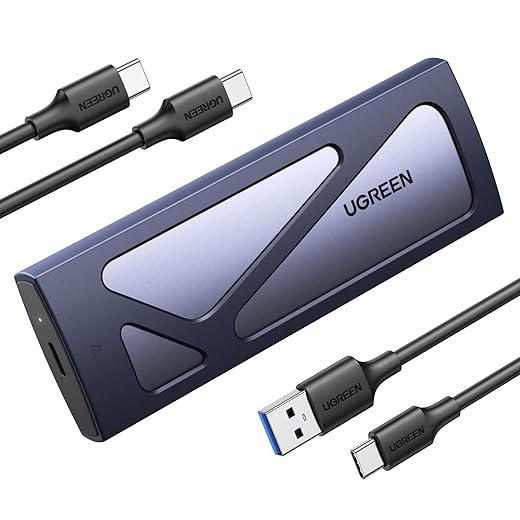
A modern NVMe controller inside a Thunderbolt or USB‑C enclosure translates raw flash speed into real‑world performance. Cheap cables or passive adapters can force a drive into a slower mode — always use certified cables and avoid mixed dongles.
Software, drivers, and thermal limits
Drivers and firmware affect protocol efficiency; OS-level caching hides latency for small files but won’t help sustained loads. Also note thermal throttling — small pocket SSDs can hit rated peaks, then pull back to protect the hardware during long copies.
What you’ll actually notice
Quick practical tips
Next we’ll dig into design and ergonomics so you know how hardware choices shape everyday use.
Design and ergonomics: how hardware and software shape the experience
We move now from raw throughput to the things we touch every day. Speed is useless if the device is awkward, rattle-prone, or hides errors in an inscrutable log. Here’s what we look for — and why it matters.
Physical design: connectors, cables, and placement
Small decisions add friction. A dongle that stacks two USB‑C plugs might save a port but blocks the next one; long, heavy cables drag drives across a desk; cheap connectors loosen after months.
Thermals and device sizing
Sustained transfers expose weak cooling. Tiny pocket SSDs hit peak for minutes, then throttle.
Software ergonomics: clarity beats complexity
Good UI keeps us in control. We value progress bars that match real speed, pause/resume, checksums, and clear error recovery.
Quick UX tips we use
Next, we’ll check ecosystem fit: compatibility with our laptops, NAS units, and the cables we already own.
Ecosystem fit and compatibility: will it work with what we already own?
Adoption hinges on compatibility. We look beyond headline speeds to whether this upgrade just “works” in the messy real world — older laptops, mixed OS file servers, and that drawer of adapters you swore would still be useful.
Cross‑platform basics
Drive protocols and filesystems matter more than marketing numbers. The upgrade uses USB 3.x / Thunderbolt standards that are backward compatible, but:
Legacy gear and adapters
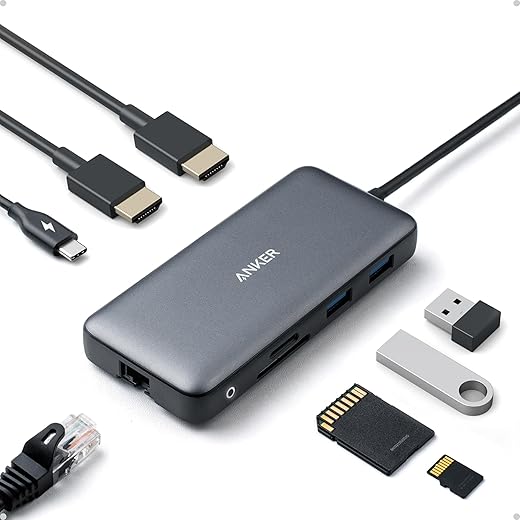
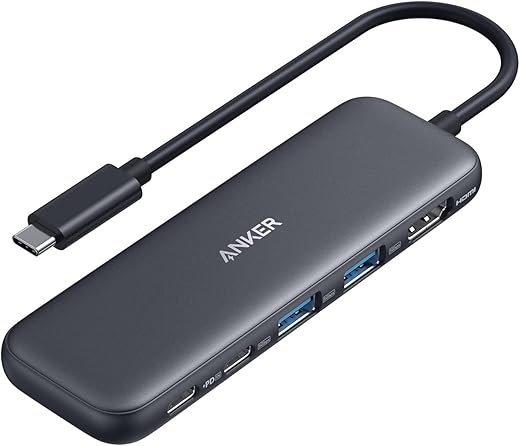
Older laptops with only USB‑A or early USB 3.0 ports still get gains if we use quality adapters or powered hubs. Passive USB‑C→A cables work, but active adapters (or TB3-to-TB4 bridges) preserve negotiated speeds and power.
For example, a MacBook Air 2015 or a Dell Latitude with USB‑A will pair happily with the upgrade via a certified adapter; expect slower absolute throughput, but far better latency and reliability than ancient spinning drives.
NAS, external drives, and mixed networks
Networked setups (Synology DS220+, QNAP TS‑251D) rely on the NAS’ USB stack. We recommend:
Firmware, drivers, and support practices
Look for manufacturers that publish firmware updates and changelogs (Samsung, Western Digital, CalDigit). Driverless operation is ideal, but when drivers exist, vendor sites should clearly state OS compatibility and update cadence.
Quick compatibility checklist
Next, we’ll put these compatibility claims to the test with real‑world transfer scenarios and throttling measurements.
Real‑world performance: testing scenarios and limitations you should know
How we test — workloads that matter
Numbers matter, but context matters more. We run simulated workflows that mimic actual use: sustained sequential copies (large video libraries), many small‑file transfers (photo catalogs, app installs), scheduled backups (rsync/Time Machine style), and mixed read/write tasks (editing from an external drive while writing exports). Tests include sustained runs to reveal throttling and multitasking to see predictability under load. We translate results into minutes saved and reliability metrics (failed or retried copies) — the metrics you notice, not just MB/s.
What you’ll realistically see by scenario
Practical limitations and gotchas
Quick, actionable tips
How it stacks up: competitors, cost, and when to make the switch
Where this upgrade sits in the real world
Put simply, this upgrade is the middle path between “keep what we have and buy faster media” and full-blown network/cloud workflows. Compared with sticking to existing ports and faster HDDs/SSDs, you get far better latency and sustained speeds for single‑drive, single‑machine workflows. Compared with NAS or cloud, you avoid ongoing subscription fees and network complexity, but you trade off multi‑user convenience and remote access.
We think of it as the best fit when you need local speed without the overhead of architecting a new network: think video editors, photographers, and power users moving large project folders between machines.

Cost of ownership: money, cables, and lock‑in
Upfront: expect to pay for a quality NVMe enclosure ($60–200) plus a good NVMe drive ($50–200+). Add a $20–50 certified cable or adapter if your host needs it. Long term, there’s little recurring cost beyond replacement drives.
Complexity: minimal if your laptop has a modern USB‑C/Thunderbolt port. If you need 10GbE or TB docks for multi‑user setups, costs jump fast (switches, NICs, ~ $200–$1,000).
Ecosystem lock‑in: low. Most enclosures use standard NVMe and USB/Thunderbolt protocols. The real risk is buying a proprietary dock that forces replacements; prefer modular enclosures.
Who should switch — rules of thumb
Buyer’s checklist
Next, we’ll draw together what this means for everyday users and our final recommendation.
Final takeaways and our recommendation
We found the practical upgrade delivers clear, measurable day‑to‑day gains when matched to workflows and paired with the right cables. Its improvements are meaningful for creatives, IT pros, and anyone moving large files: faster throughput, better ergonomics, and fewer workflow pauses. Design and ecosystem decisions matter — solid connectors, software, and broad backward compatibility make the difference between a win and a niche hassle.
Our recommendation: if your bottlenecks are frequent large transfers and your devices support or can adapt to the standard, upgrade; otherwise prioritize targeted upgrades (storage, network) first. Try one unit before fleetwide replacement.

Chris is the founder and lead editor of OptionCutter LLC, where he oversees in-depth buying guides, product reviews, and comparison content designed to help readers make informed purchasing decisions. His editorial approach centers on structured research, real-world use cases, performance benchmarks, and transparent evaluation criteria rather than surface-level summaries. Through OptionCutter’s blog content, he focuses on breaking down complex product categories into clear recommendations, practical advice, and decision frameworks that prioritize accuracy, usability, and long-term value for shoppers.