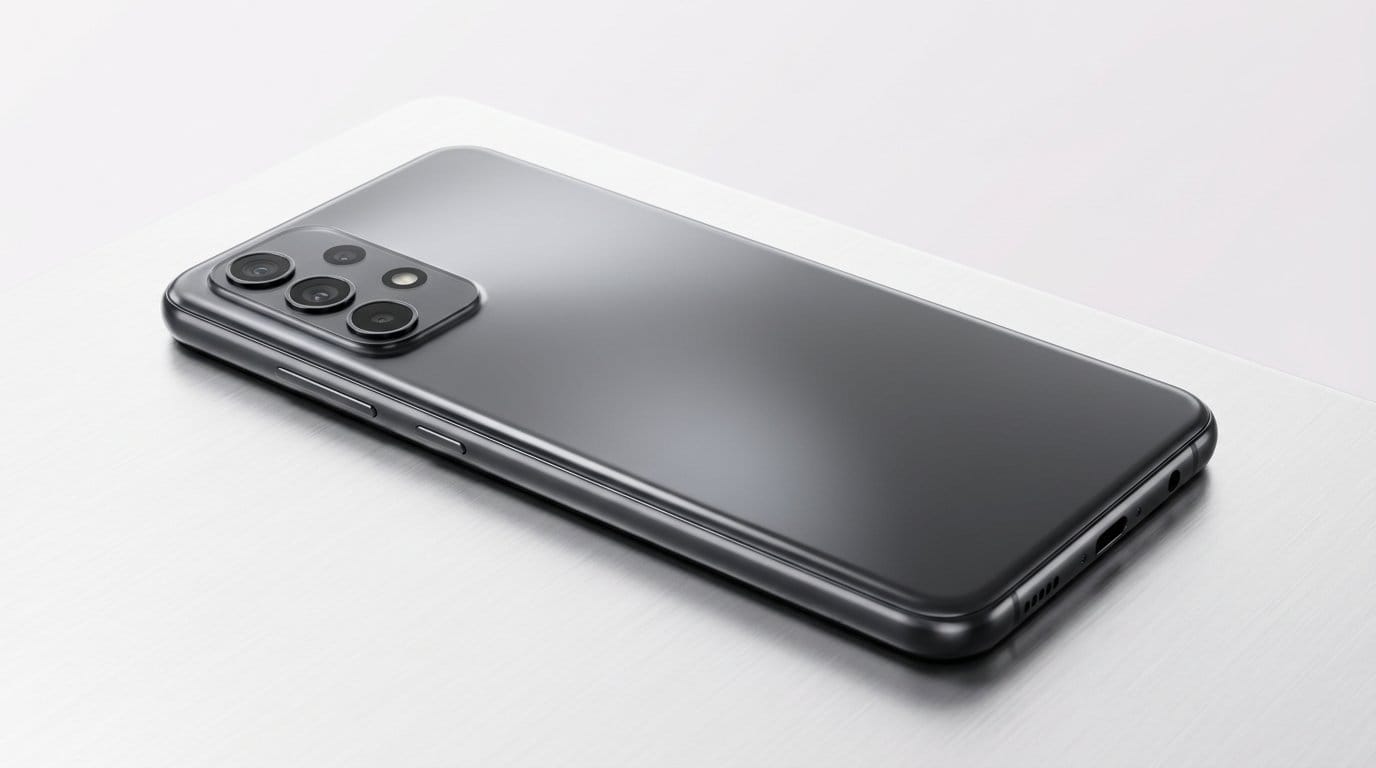

Pocket rockets without the sticker shock — which midranger punches above its weight?
You don’t need a $1,000 phone to get flagship features from a midrange phone. We found models that give you excellent cameras, bright OLED screens, and snappy performance in our Top Picks — without the flagship markup.
We tested for day‑to‑day speed, camera smarts, battery life, and how each phone fits into a broader ecosystem. The result: a few clear standouts that matter.
Top Picks


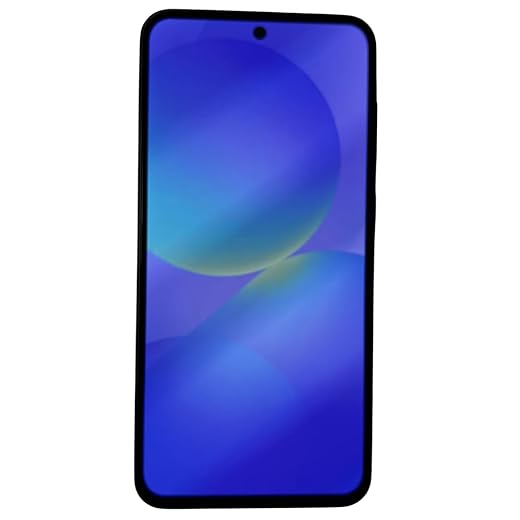


Google Pixel 7a — 128GB Charcoal
We appreciate how this phone brings flagship imaging and Google's clean software at a midrange price. It blends strong day‑to‑day performance with a camera pipeline that routinely produces better photos than rivals in the same tier.
Why we recommend it
We think the Pixel 7a is the clearest example of a midrange phone that prioritizes what most people actually use: pictures, software, and a responsive experience. The inclusion of Google's Tensor G2 means it inherits many computational photography tricks and voice/assistant improvements from Pixel flagships, and in everyday use that shows: photos have vivid detail and smart processing, and features like Call Assist feel genuinely useful.
Design, performance, and daily use
The Pixel 7a keeps a compact footprint with a 6.1" display on a Pixel that makes one‑handed use comfortable without sacrificing screen clarity. Performance is brisk for apps and multitasking thanks to the Tensor G2 and 8GB of RAM, though it won’t match bleeding‑edge gaming silicon. Where this phone stands out is the end‑to‑end software experience: we get clean Android, strong IP protection, and a predictable update cadence that extends the device’s useful life.
Tradeoffs and practical context
We’ll say upfront: not every renewed unit is identical. Some listings suggest high battery cycle counts on refurbished phones, which can affect longevity; buyers should watch the seller rating and battery health where possible. Charging is adequate but slower than many phones that now advertise 50W+ speeds, so if you frequently top up quickly, you’ll notice the difference.
In the current market, the Pixel 7a matters because it brings the look and camera smarts of higher‑end Pixels to a price that undercuts many competitors. For buyers who value imaging, clean software, and reasonable long‑term support, it’s our top pick in this midrange set.
Samsung Galaxy S23 FE — 128GB Graphite
We appreciate how this model brings many flagship features — like a high‑quality AMOLED, capable cameras, and Snapdragon flagship silicon — into a more affordable price band. It’s a comfortable bridge between true flagships and budget phones.
The S23 FE proposition
The S23 FE occupies a special spot: it offers many of the hardware and software comforts of Samsung’s flagship line without the top‑tier price. In real‑world use that translates to faster app launches, smoother animations, and a camera array that includes optical zoom — features that matter wave if you take a lot of photos or use a smartwatch and other Samsung‑centric accessories.
Experience in the ecosystem
We value how the S23 FE integrates with Samsung’s ecosystem: One UI features, Galaxy Watch pairing, and Samsung’s software extras are all polished here. The Snapdragon 8 Gen 1 keeps the phone responsive for most tasks, and the 120Hz Dynamic AMOLED makes scrolling and media look great. That said, heat under extended heavy workloads is a known quirk, and buyers purchasing renewed units should verify IMEI and unlocked status before committing.
Considerations before buying
For many, the S23 FE is the closest thing to a flagship without the premium price. But it’s also worth weighing whether you need every feature: if you’re mostly browsing and social apps, cheaper phones might suffice. Also, because many of the units we evaluated are renewed stock, buyer vigilance about seller reputation and return windows is important.
Overall, the S23 FE is our pick for people who want a near‑flagship experience and Samsung ecosystem benefits without committing to the very highest price tier.
Samsung Galaxy A54 — 128GB, 6GB RAM
We like this phone’s bright 120Hz AMOLED and IP67 water resistance — a combination not always present at this price. It’s a solid all‑rounder with good battery life and a camera system that’s reliable for most users.
Display and build that punch above the price
The Galaxy A54 stands out because Samsung brought a class‑leading display and durability to a midrange chassis. The 120Hz FHD+ AMOLED panel is bright enough for outdoor use and gives the interface and animations a premium feel. Combined with ip67 protection and a 5,000mAh battery, this phone is built to be forgiving in everyday life.
Performance and camera
Under the hood the A54 uses an octa‑core chipset tuned for balanced performance and efficiency. It handles social apps, media streaming, and moderate gaming without fuss. Its camera stack leans on larger pixels and Samsung’s processing to deliver pleasing night shots and reliably exposed daytime photos. However, users should be aware that refurbished units sometimes arrive with carrier locks not obvious in the listing — double‑check carrier compatibility when buying.
What we’d caution on
The A54 is not without compromises: you won’t get wireless charging or a headphone jack, and software add‑ons from Samsung can be heavier than Google’s approach. In a busy midrange market it competes well where display quality and battery life are priorities, but buyers who want guaranteed unlocked status and pristine refurbishment should vet sellers carefully.
All told, it’s a strong pick for people who want a bright, durable phone with long battery life and a dependable camera system.
Samsung Galaxy A36 5G — 256GB Black
We found the A36 to be a good fit for buyers who value a large bright screen and ample onboard storage. Its modern software support commitment and robust battery make it a comfortable daily driver.
Who this phone is for
If you want a big-screen phone that can store a lot of media and stay relevant through software updates, the Galaxy A36 is an intriguing option. The 6.7" Super AMOLED with a 120Hz refresh rate suits streaming, gaming, and reading, and Samsung’s promise of six years of OS/security updates is unusually generous in this segment — it shifts the value equation toward longevity.
Hardware and ecosystem tradeoffs
Performance is tuned toward everyday tasks rather than high‑end gaming, but you get a large battery and a vapor chamber design that keeps the device cool under load. The lack of eSIM might be a limitation for some users who rely on dynamic carrier switching, and the hybrid SIM tray forces a choice between a second physical SIM and microSD storage.
Practical considerations
We recommend confirming carrier compatibility before purchase: some sellers advertise broad unlocked compatibility but buyers have reported activation hiccups on certain networks. For people who prioritize screen real estate, storage, and futureproofing through updates, the A36 is a competitive midrange pick — just plan around the SIM/SD tradeoff.
In sum, the A36 is a pragmatic choice if you want a large display, lots of local storage, and the reassurance of extended platform support.
Google Pixel 6a — 128GB Charcoal
We found this phone to be one of the best bargains for people who want Pixel photography and a clean Android experience without a flagship price. It delivers snappy everyday performance, though battery and thermals lag newer chips.
Where this phone fits
The Pixel 6a remains a compelling choice for shoppers who want Pixel software and camera benefits at a reduced cost. Its Tensor silicon brought computational photography and a suite of assistant features to the midrange when it launched, and those strengths still translate to excellent everyday photos and smooth UI interactions.
Experience and ecosystem
We like that the 6a gives you the Pixel software feel—timely updates, uncluttered UI, and Google services that are tightly integrated. Performance is more than adequate for web browsing, social apps, and light multitasking, but it's not designed for extended heavy gaming sessions. Because some units on the market are renewed or global variants, compatibility with carriers (especially CDMA networks) and battery condition can vary, so we advise checking the seller’s return policy and the device’s IMEI status.
Tradeoffs you should consider
If you compare the Pixel 6a to newer midrange phones, you’ll notice some differences: less RAM, older modem performance, and slower charging. Those tradeoffs are acceptable when the phone is priced substantially lower, but they’re worth factoring into purchase decisions—especially for buyers who keep devices for several years.
Overall, the Pixel 6a is a sound pick when your priority is software polish and camera quality without spending flagship money.
Motorola Moto G Power 5G — 128GB Mineral Black
We appreciate the Moto G Power’s multi‑day battery life and clean, largely bloat‑free software. It’s a reliable daily driver for users who prioritize uptime and straightforward features over cutting‑edge speed.
Why battery-oriented buyers like it
The Moto G Power 5G is built around endurance. With a 5,000mAh battery and conservative software tuning, it easily lasts more than a day in typical use—often stretching toward two days for light users. If you travel frequently or just hate charging midday, this phone solves that annoyance without a large price premium.
Real-world performance and ergonomics
Motorola keeps the software experience near stock Android, which we appreciate for stability and ease of use. The 120Hz display makes routine interactions feel snappy, and the stereo speakers with Dolby Atmos give media playback better presence than many other budget models. That said, charging is slow by modern standards, and heavier multitasking or gaming will reveal the limitations of its midrange internals.
Practical tradeoffs
If fast charging or raw processor benchmarks are your priorities, this isn’t the phone to chase those figures. But for the majority of users who want a dependable handset that doesn’t require nightly charging and integrates well with major US carriers, the Moto G Power offers a compelling, pragmatic value.
Overall, we recommend it as a workhorse: practical, long‑lasting, and sensible for everyday life.
OnePlus Nord N30 5G — 128GB Gray
We like the large 120Hz display and solid battery life for everyday use, and OxygenOS keeps the software experience light and snappy. It’s a competent pick for buyers who want roomy screens and decent cameras without spending much.
What it aims to deliver
The Nord N30 aims to give users a large, smooth display and long battery life at a budget price. OnePlus tuned the software to be light and responsive, and the 120Hz panel makes routine tasks feel quick. In day‑to‑day use we found the phone excellent for media consumption, social apps, and web browsing.
Camera and real-world performance
The spec sheet—especially the 108MP main sensor—sounds promising, but image processing in midrange OnePlus models can be hit or miss in low light. For daytime shots and casual social sharing the results are generally fine. Performance is anchored by a Snapdragon 695 in many variants, which is serviceable for productivity and light gaming but will throttle under sustained high GPU loads.
Practical notes
As with many renewed phones, activation and carrier compatibility are variable; a few buyers encounter devices that were demo or carrier‑locked. If you plan to buy refreshed stock, confirm IMEI status and return policies. For buyers on a budget who prioritize screen size and battery over raw performance, the N30 is a sensible choice.
We think of the Nord N30 as a pragmatic pick: it does the basics well and gives you a pleasing display and battery life for the money.
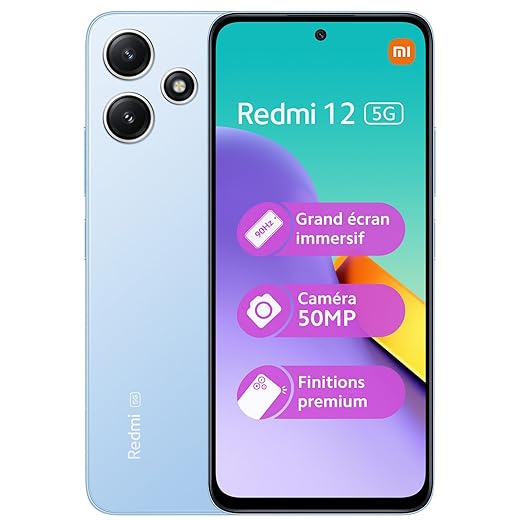
Redmi 12 5G — 6.79" Sky Blue
We see this as a cost-oriented option that prioritizes a large display and battery over flagship performance. It’s a practical pick for media consumption and casual use, though performance and software polish are modest.
Who should consider it
The Redmi 12 5G is aimed at buyers who want a big, bright screen for streaming and reading, plus long battery life, without spending much. Its 6.79" display and 5,000mAh battery make it ideal as a media device or a casual social phone. For the price, you get features like a microSD slot and a physical headphone jack that some competitors omit.
Performance and limitations
Powered by the Snapdragon 4 Gen 2, the phone handles everyday tasks well but strain shows under heavier multitasking or demanding gaming. The camera system is serviceable for daylight shots, but you shouldn’t expect flagship low‑light performance. Some buyers also report discrepancies in packaging (missing promised accessories), so shopping from reputable sellers matters.
Real‑world advice
If you value raw speed or an especially polished camera experience, there are better — albeit more expensive — options. But for buyers who want the largest screen and longest battery within a strict budget, Redmi 12 5G is a defensible choice. Always confirm the model variant and included accessories with the seller to avoid surprises.
In short, Redmi 12 is a budget workhorse: lots of screen, long runtime, modest performance.
Final Thoughts
Our top pick is the Google Pixel 7a — it brings flagship computational photography, clean Google software, and a strong update promise to a midrange price. That combo matters now because software and camera processing can keep a phone feeling current longer than raw specs alone. Pick the Pixel 7a if you want the best photos from a midrange device, fast day‑to‑day performance, and an OS that won’t bloat over time.
If you want something closer to a true flagship in raw power and display quality, choose the Samsung Galaxy S23 FE. It pairs Snapdragon flagship silicon with a high‑quality AMOLED, solid cameras, and Samsung’s ecosystem perks (One UI polish, Galaxy accessories, and extra software features). The S23 FE is our pick for people who prioritize smoother gaming, a richer display for media, and deeper integration with Galaxy gear.
Frequently asked questions
How did we pick these midrange phones for performance and value options?
We shortlist models that balance performance, reliability, and value for typical buyers—not just the highest spec sheet. Hands-on notes, owner feedback, and return/warranty policies all feed the ranking.
Which midrange phones for performance and value pick is best for most people?
Start with our top overall choice if you want the safest balance of price and features. Move up or down the list only when a specific need—budget, ecosystem, or a must-have feature—clearly applies to you.
Do prices on this midrange phones for performance and value list change often?
Yes. Retailers run frequent promos, so use the live price buttons on this page and compare shipping and return windows before checkout—the best deal is not always the lowest sticker price.
Should I buy the cheapest midrange phones for performance and value on the list?
Only if the trade-offs fit your use case. The budget pick can be excellent value, but check what you give up in build quality, software support, or key features you will use every week.
What if none of these midrange phones for performance and value picks fit?
Use the comparison and guide links on this page to narrow by size, platform, or feature, then revisit the list with your must-haves written down—forcing a mismatch creates more returns than savings.
How often is this midrange phones for performance and value roundup updated?
We refresh rankings when major models launch or pricing shifts enough to change the value story. Check the publish date at the top and compare current specs if you are reading months later.

Princess Rioboca is the Lead Editorial Writer at Option Cutter, bringing over seven years of hands-on experience in consumer technology journalism. Specializing in home networking and smart home architecture, she transforms complex technical data into practical, real-world upgrades. Princess personally tests and audits every product she reviews—evaluating real-world Wi‑Fi throughput, cable management durability, and streaming ecosystem stability—to filter out spec-sheet noise. Her rigorous, field-tested insights are designed to give readers transparent, unbiased buying advice on what to purchase, what to skip, and exactly why.