This post contains affiliate links. I may earn a commission from qualifying purchases at no extra cost to you. As an Amazon Associate, I earn from qualifying purchases.
Which camera makes you look like a pro without the learning curve (and won’t clutter your desk)?
Start shooting, not stressing. We tested the light, the reliable, and the deceptively capable—because for beginners, predictable autofocus, good ergonomics, and a sensible lens ecosystem beat headline megapixels every time.
We focus on user experience, design, and how each camera plugs into real creator workflows—vlogging, travel, streaming, and growing photo skills. Our picks are about what helps you make better work sooner, not what looks best on the spec sheet.
Prices and availability are accurate as of the last update but subject to change. I may earn a commission at no extra cost to you.
Editor's Choice
1
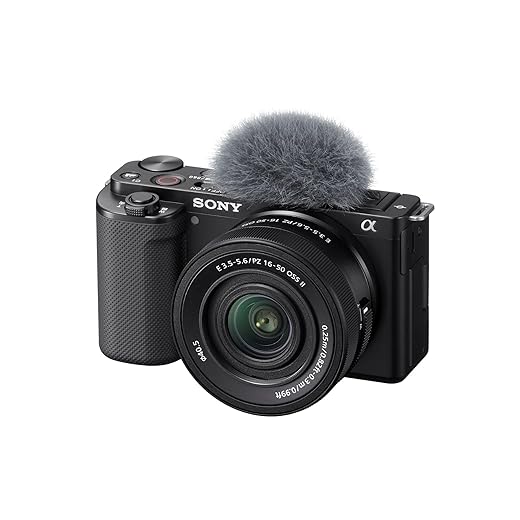
Sony ZV-E10 APS-C Vlog Mirrorless Kit
Best all-around vlogging camera for creators
9.3/10
Expert score
We think this camera hits the sweet spot for creators who want interchangeable-lens flexibility without the complexity of larger rigs. The autofocus, video codecs, and audio options deliver a professional-feeling result at a very approachable price point.
Prices and availability are accurate as of the last update but subject to change. I may earn a commission at no extra cost to you.
Pros
Excellent Sony autofocus with Real-time Eye AF and tracking
Large APS-C sensor offering strong dynamic range and low-light performance
Designed features for creators (product showcase mode, background-defocus button)
Easy live streaming via USB with no extra hardware
Cons
No in-body stabilization — lens stabilization or gimbals recommended
Small body can feel cramped with larger lenses
Why we picked it for creators
We regard this camera as a modern, creator-first APS-C body: it blends Sony’s excellent autofocus, a useful E-mount lens ecosystem, and practical vlogging features into a compact package. That combination makes it simple for one-person teams to produce high-quality video and stills.
Real-world performance and usability
The 24.2MP sensor and BIONZ X processor give clean files and workable color straight out of camera, and Real-time Eye AF means we rarely miss focus on faces.
Video oversampling from 6K to 4K reduces moiré and yields files that resist aggressive color grading.
Creator-focused tools (product showcase, defocus toggle) save time when switching between talking-head and demo-style shots.
In practice we found it easy to set up for a quick shoot: flip the screen, enable product showcase if demonstrating a gadget, and rely on reliable AF while you move around the frame. Live streaming under USB is a particularly low-friction workflow for creators who want a plug-and-play approach.
Practical caveats
Lack of IBIS means stabilization depends on lens OSS or added gimbals; if you shoot handheld a lot, factor that into your budget.
The small grip and button layout make pro-style handling with heavy lenses awkward; pairing with compact primes is our preferred configuration for run-and-gun work.
All told, this is an exceptionally balanced camera for solo creators who want pro-level autofocus and a path to more serious lenses as they grow.
Premium APS-C Choice
2
Sony Alpha a6400 Compact Hybrid Camera
Best balance of speed, image quality, and flexibility
9/10
Expert score
We value this model for its blend of fast autofocus, EVF, and serious video features in a compact body. It remains a favorite for creators who need a lightweight B-camera that can still deliver pro-level results.
Prices and availability are accurate as of the last update but subject to change. I may earn a commission at no extra cost to you.
Pros
Extremely fast and accurate autofocus system
Excellent 4K video and still image quality
Tilting touchscreen and useful body ergonomics
Strong third-party lens support for creative flexibility
Cons
No in-body stabilization — stabilization depends on lens
Battery life lags compared with DSLR alternatives
Why it still matters in 2026
We consider this camera a mature, well-rounded tool for both stills and video. The a6400’s autofocus and color science mean it punches above its weight, and its form factor makes it a go-to travel or B-camera for professionals and serious hobbyists alike.
What it delivers day to day
Real-time tracking and fast phase-detection AF reduce missed moments and speed up workflows when shooting events or run-and-gun video.
4K recording at high bitrates and a functional tilting screen make it straightforward to capture and monitor footage on the fly.
The camera's compatibility with a wide range of E-mount lenses — including excellent third-party options — makes it easy to tailor the kit to a given project.
We especially liked how reliable the autofocus is when paired with quality glass: for portraits, street photography, or product video, it builds consistent results quickly.
Practical trade-offs
As with other Sony APS-C bodies, the absence of IBIS means investing in OSS lenses or stabilization accessories if handheld video is your primary use.
For long shooting days, the battery life suggests carrying spares or an external power solution.
Overall, the a6400 represents a strong choice for those who want a compact system capable of professional outcomes without the weight of larger full-frame rigs.
Editor's Choice
3
Canon EOS R50 Compact Creator Kit
Best for creators who want hybrid capability
9/10
Expert score
We found a rare combination of approachable controls, modern autofocus, and surprisingly capable 4K footage in a compact body. The camera balances stills and video features in a way that suits beginners who plan to grow into more advanced work.
Prices and availability are accurate as of the last update but subject to change. I may earn a commission at no extra cost to you.
Pros
Fast Dual Pixel CMOS AF II with excellent subject tracking
6K-oversampled 4K and high-frame-rate Full HD options
Lightweight, vari-angle touchscreen with intuitive menus
Strong battery life for a small mirrorless body
Cons
Kit lens is limited in aperture and tele reach
Top-end features (like in larger bodies) are missing
Why we recommend it
We think this camera is one of the best entry points when you want a single tool for both photography and video. The R50 puts Canon's modern autofocus and recent processing into a very small, friendly package, which lowers the learning barrier for content creators who want high-quality output without getting lost in menus.
Key strengths and practical use
Compact form factor that makes handheld vlogging and travel shooting comfortable.
Dual Pixel CMOS AF II covers most real-world framing situations and handles face/eye/animal tracking reliably.
6K-oversampled 4K footage gives cleaner 4K files and limits aliasing, which matters when you plan to edit aggressively.
We particularly liked how the creative-assist modes and Advanced A+ make it easy to get polished images straight away, while the camera still allows a path to manual control as users learn. For example, newcomers can rely on auto-subject detection for family events and switch to aperture priority or manual for portraits.
What to watch for
The included RF-S18-45mm kit lens is versatile but slow in low light; expect to add a fast prime (35mm or 16mm) if you want shallow depth of field or dim-light performance.
While the body is small and portable, accessories (mics, lights, spare batteries) will add weight quickly; we recommend budgeting for at least one extra battery and a compact shotgun mic for vlog work.
Overall, the R50's ergonomics, autofocus, and video chops make it a standout beginner camera in 2026, especially for creators who want to invest in a growing RF-lens ecosystem without starting on a heavy, professional body.
Best for Streamers
4
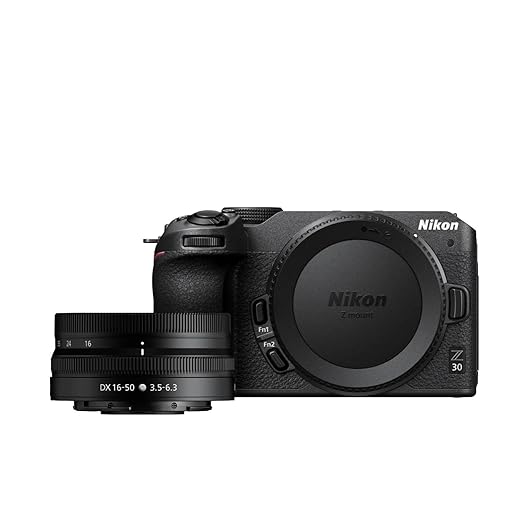
Nikon Z30 Compact Creator Kit
Best compact camera for vloggers and streamers
8.7/10
Expert score
We appreciate the Z30 for putting user-friendly video features into a nimble Nikon body. Its ergonomics, flip-out touchscreen, and USB streaming support make it a practical choice for single-person production setups.
Prices and availability are accurate as of the last update but subject to change. I may earn a commission at no extra cost to you.
Pros
Great ergonomics and lightweight design for handheld shooting
Reliable autofocus with eye-tracking for people and pets
Flip-out touchscreen and built-in stereo mic with adjustable sensitivity
4K recording without significant crop and HDMI clean output
Cons
No in-body image stabilization (IBIS)
Z-mount lenses can be pricier than legacy options
Designed around creators' workflows
We see the Z30 as Nikon’s compact answer to creators who need clean video and straightforward streaming. The camera focuses on the features that matter for tabletop and on-the-go content: a user-friendly touchscreen, solid AF, and easy USB streaming.
Everyday strengths and workflow integration
The included 16–50mm DX VR lens has practical reach for talking-heads, landscapes, and vlogging, with optical VR helping handheld footage look steadier.
USB plug-and-play webcam functionality and HDMI clean output simplify streaming setups — a decisive advantage for people producing live content.
Nikon's color rendering and a straightforward menu system minimize the time we spend correcting footage in post.
We particularly value the camera as a learning and production tool: it gets creators shooting quickly while leaving room to add dedicated mics, lights, and higher-quality Z lenses over time.
Caveats and upgrade path
Lack of IBIS means some handheld shots will require gimbal support or stabilized lenses to achieve the smoothest motion.
If you plan to migrate into heavier hybrid or cinematic workflows, you’ll likely want to pair the body with faster primes and invest in an external recorder or LUT-based grading to maximize image potential.
All things considered, the Z30 is a smart, compact camera that supports the most common creator workflows out of the box, and gives a clear path to more capable glass and accessories as needs evolve.
5
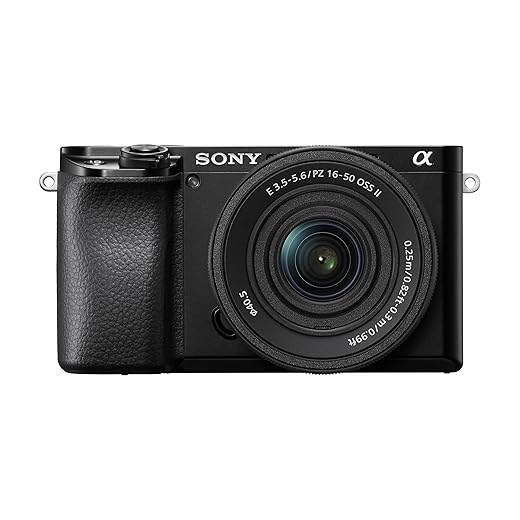
Sony Alpha a6100 Versatile APS-C Kit
Reliable all-rounder for photo and video beginners
8.5/10
Expert score
We found it a durable, user-friendly camera with impressively fast autofocus and solid image quality. It’s a sensible choice for learners who want an upgradeable system that performs well across genres.
Prices and availability are accurate as of the last update but subject to change. I may earn a commission at no extra cost to you.
Pros
Lightning-fast AF with real-time tracking
24.2MP sensor with good dynamic range
4K recording with full-pixel readout
Comfortable ergonomics for extended shoots
Cons
Kit lens included is basic — better lenses improve the experience
Battery life is average, plan for spares
Who we think should buy it
We recommend the a6100 to photographers who want a balanced, capable body without paying full-frame prices. It’s a camera that grows with you: use kit glass to learn composition and exposure, then upgrade to sharper primes or zooms for specialized work.
Performance highlights
The hybrid AF system is quick and dependable, which reduces time wrestling with focus during shoots and lets us concentrate on framing and storytelling.
4K footage uses full-pixel readout with no binning, which gives cleaner files for editing and color grading.
The lightweight form factor and articulating screen make it useful for travel, street, and vlog-style shooting.
We appreciated how the a6100 balanced price and performance; it never felt underpowered for typical learning workflows. Paired with a modest prime, it becomes a very capable imaging kit.
Considerations before buying
If you plan heavy video work, the lack of IBIS will require stabilized lenses or external gimbal use.
The system’s lens selection is excellent, but the included kit lens is a pragmatic starter — upgrading will produce noticeable image-quality gains.
In summary, the a6100 is an effective, modern APS-C option for photographers who want speed and quality in a compact package.
6
Canon M50 Mark II Vlogging Mirrorless Kit
Best flexible mirrorless for starters and vloggers
8.2/10
Expert score
We appreciate its small footprint, selfie-friendly screen, and competent autofocus that suit social content creation. It’s a compact way to get into interchangeable-lens mirrorless shooting while keeping a clear upgrade path via Canon’s lens lineup.
Prices and availability are accurate as of the last update but subject to change. I may earn a commission at no extra cost to you.
Pros
Lightweight body with vari-angle touchscreen
Improved Dual Pixel AF and eye detection
Useful vlogger features like vertical shooting
Clear interface for beginners transitioning from phones
Cons
4K is limited and suffers from crop/AF constraints
EF-M lens ecosystem is smaller than other mounts
Why creators still choose this camera
We’ve seen many creators start with this model because it converts smartphone-style workflows into higher-quality stills and video without a steep learning curve. The M50 II keeps the camera small enough to carry daily while offering larger-sensor image quality and interchangeable lenses for optical flexibility.
Practical strengths and workflow
The vari-angle LCD and simplified streaming options make framing and live streaming straightforward.
Improved autofocus and eye detection help when shooting solo, particularly for medium-length talking-head pieces.
The camera’s size and accessory compatibility (microphones, small gimbals) make it a good grab-and-go rig for social platforms.
We recommend pairing it with a small prime (e.g., 22mm or 32mm equivalent) to get better low-light performance and shallower depth of field that makes subject separation pop on social feeds.
Limitations to bear in mind
The 4K implementation restricts AF performance and uses a crop; for creators prioritizing high-quality 4K workflows, a more modern mirrorless body is a better long-term choice.
EF-M lenses are less plentiful and can be pricier per-optical-quality than competing ecosystems; an adapter or third-party glass helps expand options.
In summary, the M50 Mark II remains a practical, easy-to-use camera for social creators who want a clear step up from phones and an approachable path toward more advanced equipment.
Best Value
7
Canon EOS R100 Lightweight Mirrorless
Best compact option for budget-minded beginners
8.1/10
Expert score
We like this for people who want a tiny RF-system camera without breaking the bank. It strips back a few advanced options but keeps the essential image quality and autofocus that make it useful for travel and casual video.
Prices and availability are accurate as of the last update but subject to change. I may earn a commission at no extra cost to you.
Pros
Extremely compact and lightweight body for all-day carry
Good autofocus with face and eye detection
Affordable entry into the RF mount ecosystem
Simple menus that help beginners learn camera basics
Cons
Limited continuous shooting speed compared with higher-end models
Smaller controls can feel fiddly for users with larger hands
Where this camera fits
We see the R100 as Canon’s minimal, practical entry into the RF mount world. It’s not trying to be the flashiest camera in the lineup — instead it focuses on getting the basics right: good still-image quality, competent 4K video, and a beginner-friendly interface.
Features that matter in day-to-day use
24.1MP APS-C sensor delivers clean JPEGs and useful raw files for moderate cropping or prints.
The Dual Pixel AF implementation with 143 AF points handles portraits and casual action well, and the eye-detection is especially helpful when learning composition.
Fixed or simplified controls make it easy to teach someone the exposure triangle without overwhelming them.
We appreciated how the camera encourages learning: the graphical guides and simplified menus demystify settings. For commuters, travelers, or hobbyists who want better quality than a phone, the R100 is a strong, pocketable compromise.
Limitations and ecosystem notes
The R100’s modest processor and lack of more advanced features mean enthusiasts will outgrow it sooner than they would a higher-tier body. If you plan to expand into demanding video workflows or heavy burst shooting, you’ll feel the pinch.
RF lenses are increasingly excellent but can be pricier than legacy EF glass; budget-conscious buyers should consider used lenses or EF adapters as they grow their kit.
In short, the R100 is an excellent first interchangeable-lens camera: approachable, competent, and easy to live with day-to-day.
Must-Have for Beginners
8
Canon Rebel SL3 Compact DSLR Kit
Best small DSLR for learning fundamentals
8/10
Expert score
We like this model for learners who want an optical viewfinder with modern conveniences like a vari-angle touchscreen and Dual Pixel AF. It’s light, approachable, and capable of delivering great images without a heavy price tag.
Prices and availability are accurate as of the last update but subject to change. I may earn a commission at no extra cost to you.
Pros
Compact and lightweight body easy to carry
Dual Pixel CMOS AF and vari-angle touchscreen
Good 24MP stills and simple creative assist features
4K recording for occasional video needs
Cons
4K video is cropped and limited in duration
Kit lens is adequate but not fast in low light
The SL3’s place in a beginner kit
We see this camera as a bridge between point-and-shoot convenience and more serious DSLR control. The SL3 keeps the tactile benefits of an SLR (optical viewfinder, physical controls) while adding modern features like a vari-angle touchscreen and Canon’s approachable creative assist.
How it performs in practice
The 24.1MP APS-C sensor produces clean images suitable for prints and social sharing.
Dual Pixel AF helps with live view focusing, making video recording and live-action shooting easier than older DSLRs.
The articulated screen is helpful for vlogging, low-angle shots, and creative composition.
We recommend the SL3 to people who want to learn photography fundamentals on a familiar platform. It’s also an excellent travel body for those who prefer optical viewfinders and predictable battery life.
What to expect as you grow
If you decide to focus heavily on video, you’ll run into limitations: 4K is useful but not competitive with newer mirrorless cameras, and body stabilization is absent.
Investing in one or two better lenses (a fast prime and a telephoto) dramatically improves long-term value and image quality.
Overall, the SL3 is a lightweight but capable DSLR that helps new photographers develop good habits while offering a clear upgrade path.
Top Compact Vlogger Pick
9
Canon PowerShot G7 X Mark III
Best pocketable camera for mobile creators
7.9/10
Expert score
We view this as an attractive option for vloggers who need a pocket camera with decent low-light aperture and a microphone input. It’s ideal for people who prioritize portability and simplicity over interchangeable-lens flexibility.
Prices and availability are accurate as of the last update but subject to change. I may earn a commission at no extra cost to you.
Pros
Large 1-inch sensor in a pocketable body improves low-light shots
Bright f/1.8–2.8 lens for shallow depth of field
4K recording and live-stream-friendly features
External mic terminal for better audio capture
Cons
No interchangeable lenses — less flexibility long term
Autofocus and dynamic range trail mirrorless competitors
Pocketable power for creators on the move
We like the PowerShot G7 X Mark III because it puts a large 1-inch sensor and fast lens into a compact, carry-all-the-time package. That combination yields noticeably better background separation and low-light performance than typical phone cameras, which matters when you want a cinematic look from a small device.
Day-to-day use and why it works
The fast lens (f/1.8 wide) gives a pleasing out-of-focus background for close-up talking-head shots and b-roll.
4K recording and a microphone input make it easy to pair with simple audio setups for clean vlogs.
The tilting screen and compact size reduce friction when filming quick cutaways or travel sequences.
We recommend the G7 X Mark III for vloggers who carry light and prioritize instant mobility: street photographers, travel vloggers, and creators who need a second camera to complement a main mirrorless rig.
When to consider another path
If you intend to evolve into more polished video with shallow depth of field and interchangeable lenses, a mirrorless system will be a better long-term investment.
Autofocus performance and dynamic range are good for the class, but not on par with modern 24MP APS-C mirrorless cameras — something to weigh if future-proofing is important.
Overall, the G7 X Mark III is a capable, pocketable option that makes a lot of sense as a daily driver for social-first creators.
Solid DSLR Choice
10
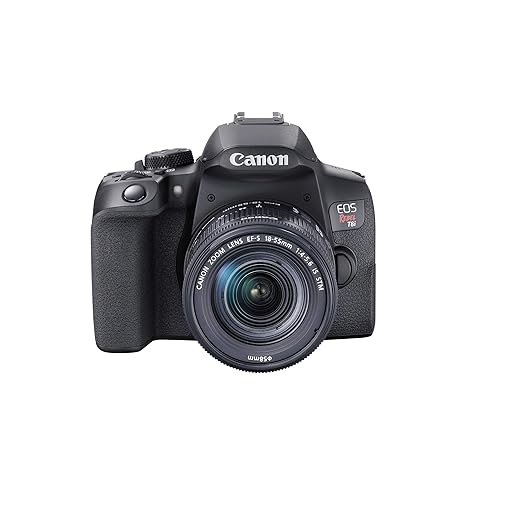
Canon Rebel T8i Refurbished DSLR Kit
Best DSLR option for tactile controls
7.4/10
Expert score
We found the T8i to be a dependable DSLR that rewards users who prefer a traditional shooting experience. It offers good image quality and an optical viewfinder that many photographers still prefer for certain styles of shooting.
Prices and availability are accurate as of the last update but subject to change. I may earn a commission at no extra cost to you.
Pros
Classic DSLR ergonomics and optical viewfinder
24.1MP sensor with solid image quality for prints
Robust 45-point cross-type AF system for stills
Affordable as renewed/refurbished units
Cons
Bulkier and heavier than mirrorless alternatives
Older video features compared with contemporary mirrorless cameras
Who should consider a DSLR today
We still recommend DSLRs like this refurbished T8i to people who prioritize an optical viewfinder, long battery life, and straightforward controls. For someone moving from older film or entry-level DSLRs, the T8i feels familiar and forgiving.
Strengths in everyday shooting
The 45-point all cross-type AF system performs well for static and moderate-action subjects, making it useful for events and family shoots.
The tactile dials and physical mode knob make manual exposure adjustments feel immediate and intuitive.
Refurbished models offer a cost-effective way to get more camera for less money.
We noticed that users who enjoy deliberate photography — slower, composed work — will appreciate the feel and feedback of the T8i. It’s also a practical workhorse for someone building a lens collection that may include many EF mount options.
Trade-offs and why mirrorless matters
The T8i lags mirrorless bodies in live-view AF performance and silent shooting modes. If you plan to do a lot of video or fast-paced tracking, a mirrorless system will be more future-proof.
Renewed units can be a great value, but buyers should check return policies and warranty coverage — the refurbished market can vary in quality.
In short, the T8i remains a sensible, cost-conscious pick for photographers who value a proven DSLR workflow rather than the latest mirrorless bells and whistles.
Final Thoughts
We narrowed it to two clear winners based on how fast they get you from opening the box to sharing polished photos and video.
Sony ZV-E10 — Best all-around choice for creators who prioritize video. Its excellent autofocus, flexible E-mount lens ecosystem, clean audio options (mic jack plus easy hot-shoe setups), and modern video codecs give you a pro-feeling result without a steep learning curve. If you plan to vlog, stream, or want the most straightforward path to cinematic video while keeping the option to change lenses, the ZV-E10 is our pick. Buy it with a versatile 16–50mm or 18–105mm kit lens and a small shotgun mic to cover most shoots.
Canon EOS R50 — Best for beginners who want a true hybrid that leans into stills without sacrificing video. The R50 pairs approachable controls and excellent autofocus with surprisingly capable 4K performance in a compact RF mount body. It’s ideal if you value an intuitive menu system, strong JPEG/skin rendering out of camera, and a growth path into Canon’s expanding RF lens lineup. Choose the R50 if you expect to shoot more photos alongside your videos and want a camera that feels polished and effortless on day one.
Why these matter now: Sony wins for third-party lens variety and creator-focused video features that are rare at this price. Canon wins for ecosystem polish and a smoother learning curve for photography-first users. For a simple starter kit: a versatile zoom lens and a decent mic (for video) will unlock 80–90% of both cameras’ value right away.
Chris is the founder and lead editor of OptionCutter LLC, where he oversees in-depth buying guides, product reviews, and comparison content designed to help readers make informed purchasing decisions. His editorial approach centers on structured research, real-world use cases, performance benchmarks, and transparent evaluation criteria rather than surface-level summaries. Through OptionCutter’s blog content, he focuses on breaking down complex product categories into clear recommendations, practical advice, and decision frameworks that prioritize accuracy, usability, and long-term value for shoppers.