
Can a tiny ring outsmart your smartwatch — and your sleep schedule?
The future of sleep tracking fits on your finger. Rings are quiet, unobtrusive, and sit right where the pulse is—no glowing screen in bed and no strap tan from workouts.
We tested comfort, sensors, apps, and real‑world accuracy. We care about what the data actually means for your sleep and recovery, not just numbers on a chart. Expect hits and compromises: battery, sizing, and whether the company locks insights behind subscriptions.
Top Picks


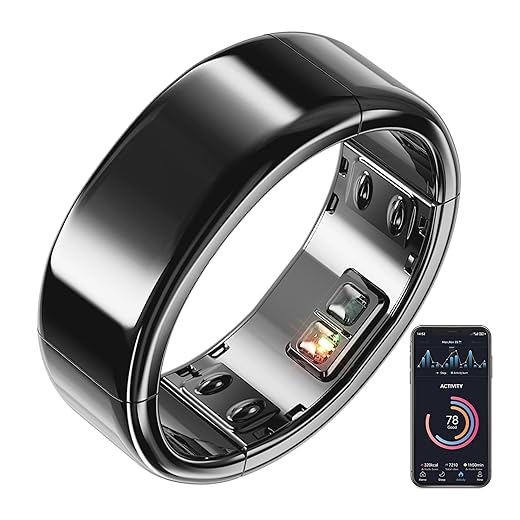


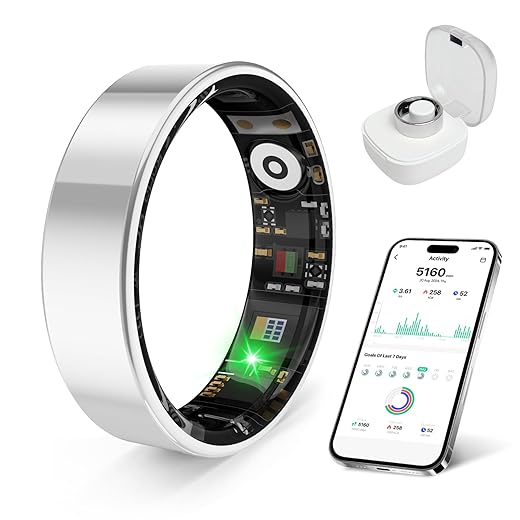

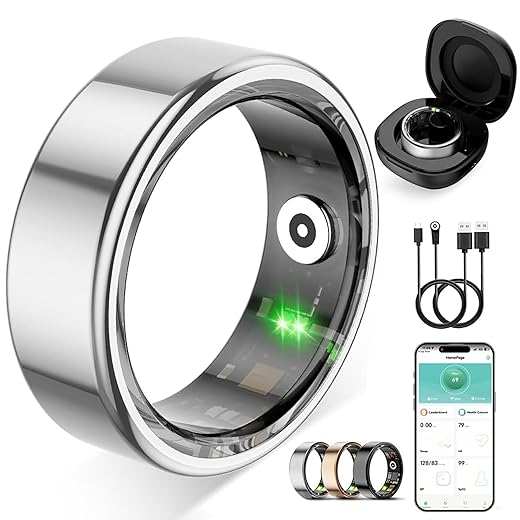
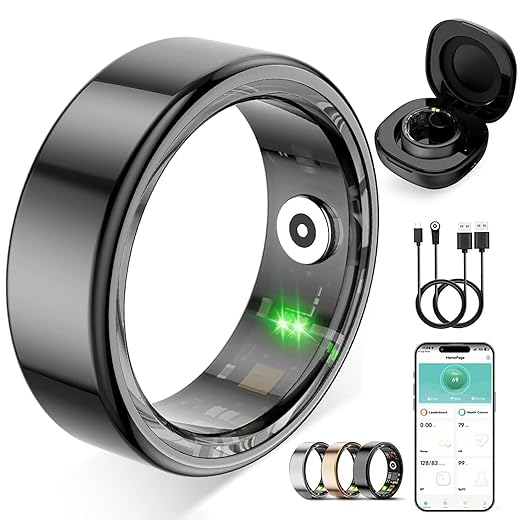
Oura Ring 4 — All‑Titanium Gold Finish
We found the 4 to refine what made earlier Oura rings compelling—improved sensors and a new Smart Sensing platform that adapts to you. It’s the most complete ring for people who want the deepest biometric context without wearing a watch.
The premium step forward
We see the Ring 4 as Oura’s most mature package: an all‑titanium shell with upgraded sensing called Smart Sensing that expands the ring’s metric set into heart health and metabolic signals. The hardware aims to be both harder wearing and more accurate, while the software translates those raw signals into readiness, sleep, and health scores.
What stands out
In practical terms, that means better data for people who base decisions—training, rest, or medical discussions—on trends rather than one‑off readings. The Ring 4 also leans into integration: sync with Apple Health, Google Health Connect, and several third‑party services.
Tradeoffs and why they matter
The Ring 4 is the most complete smart ring if you’re serious about biometrics, but it’s an investment. The combination of a higher price and subscription model puts it in the premium tier; that’s defensible if you’ll use the depth of insights, but overkill for someone who only wants step counts. Also, proper sizing remains non‑negotiable—fit impacts both comfort and measurement fidelity.
We recommend the Ring 4 for users who want the most accurate, long‑term biometric record from a discreet device and who value the deeper analytics that come with Oura’s membership.
Oura Ring Gen3 Heritage — Silver — Size 8
We found the silver Heritage model to offer the same sensor suite and app ecosystem as other Gen3 variants while being subtle and wearable with formal or casual outfits. It’s an excellent option for people who prioritize comfort and long‑term tracking.
Design and daily use
We think the silver Heritage version is the ‘wear‑everywhere’ option in the Gen3 lineup: discreet, polished, and engineered to be forgotten on your finger. The device’s value is in consistent, long‑term data collection—quietly accumulating sleep and recovery signals that the app distills into actionable trends.
Performance highlights
Why it matters: if you want better insights about how daily habits affect sleep and recovery, the ring’s approach of removing notification clutter and focusing on biometrics makes those tradeoffs worthwhile. The silver finish is simply a cosmetic choice that doesn’t alter function but makes the piece easier to wear in professional settings.
Final considerations
As with other Oura devices, the membership adds analytic value and the sizing kit is effectively mandatory for accuracy and comfort. If you’re already in the Oura ecosystem or want a higher‑quality sleep and recovery tracker, this is a dependable choice.
We recommend this model for anyone seeking a comfortable, stylish smart ring that prioritizes sleep analytics and ongoing health context.
Oura Ring Gen3 Heritage — Black — Size 8
We found the Gen3 to be a very capable, comfortable sleep and recovery tracker that delivers research‑grade sensors in a discreet form. It balances battery life and meaningful insights without the constant haptics or screen distractions of wrist wearables.
What it is and who it’s for
We think of this as the smart‑ring that made the category mainstream: a low‑profile, sensor‑dense device built around sleep, recovery, and long‑term biometrics. The Gen3 focuses on performing quietly in the background—tracking sleep stages, heart rate variability (HRV), resting heart rate, skin temperature trends, and SpO2—while the app translates those readings into daily guidance.
Key features and design
We appreciate the design choices that favor minimalism: no screen, no vibration, and a titanium shell that resists daily wear. That design tradeoff matters because it keeps the ring unobtrusive during sleep—where the most valuable data comes from—and gives you multiple days between charges.
Why it matters now
The Gen3’s position is practical: it gives you more sleep and recovery context than most wrist trackers and, critically, places sensors where pulse readings are often cleaner—the finger. For people focused on optimizing sleep, managing stress, or watching for illness signals, the ring’s insights are often more actionable than raw step counts.
Limitations and practical notes
We recommend the Gen3 if your priority is accurate sleep and recovery data in a device you can wear day and night without feeling it.
Adaptive‑Fit Smart Ring — BP & SpO2 Tracking
We found the adaptive‑fit design compelling: it removes one of the biggest friction points for rings—sizing changes across the day. It also leans into blood‑pressure calibration and continuous SpO2 monitoring, though accuracy needs context and occasional recalibration.
The adaptive approach
We’re interested when a product addresses a fundamental pain point: fit. This ring’s adaptive‑fit technology is designed to maintain consistent skin contact during temperature and activity‑related swelling—an important factor for optical sensors. The company also emphasizes blood‑pressure monitoring and continuous SpO2, positioning the ring as more medically oriented than other consumer devices.
Practical features and battery
Why this matters: a ring that stays snug reliably improves sensor contact and reduces noisy data. For people who’ve tried rings with inconsistent readings due to fit, this is a welcome attempt to resolve that issue. The inclusion of BP features is notable, but users should treat cuff comparisons as the reference standard; the ring is best for trend monitoring rather than diagnostics.
Caveats
We’d like to see more independent validation of the BP and SpO2 algorithms. Also, while the adaptive fit is a smart mechanical solution, it adds mechanical complexity that could affect long‑term durability. In practice, we’d recommend users cross‑check initial readings with clinical devices and follow the manufacturer’s calibration guidance.
We think this ring is interesting for people who need more robust contact and want BP trend monitoring without monthly fees, but those with clinical BP concerns should consult medical devices as the primary source.
FKGZJF Smart Ring — Silver 13# with Case
We liked the inclusion of a portable charging case that can substantially extend usable days between wall chargers. The ring covers a wide set of metrics and offers no subscription fees, making it a solid value pick for travelers and commuters.
Battery life is the headline
The FKGZJF ring differentiates itself by pairing a modestly capable ring with a robust portable charging case. That combination transforms a 3–5 day on‑wrist charge into a multi‑week travel solution—an attractive tradeoff if you need continuous monitoring while on the road.
Sensors and ecosystem
For users who want a set‑and‑forget experience, the combo of a ring plus a charged case is pragmatic: quick swaps during a shower or airplane nap keep data continuity. The lack of subscription fees is also welcome, letting you retain raw data without vendor lock‑in.
Realistic expectations
That said, we encountered some user reports of intermittent issues: the charging case failing to charge the ring, occasional app sync delays, and a need to double‑check blood pressure readings against a cuff. Those issues don’t invalidate the value proposition, but they do suggest you should expect occasional troubleshooting.
We recommend this ring for travelers and budget‑minded users who value extended runtime above absolute metric precision.
Milavan Budget Smart Ring — Rose Gold 8
We were surprised by how many features this budget ring packs—heart rate, SpO2, basic sleep staging, and sport modes—without a monthly subscription. Accuracy is mixed compared with premium rings, but at this price it’s a useful introduction to ring‑based tracking.
Who this is for
We view this device as an accessible introduction to smart‑ring tracking: someone curious about sleep and heart metrics but not ready to commit four‑ or five‑figure budgets. It gives you a lightweight ring that logs heart rate, SpO2, steps, and offers basic sleep staging without the friction of subscription fees.
Features that punch above their weight
The tradeoff is that the sensors and algorithms don’t match the stability and validation you get from higher‑end rings. In our testing and from user reports, daytime activity and step counts tended to be respectable, but sleep staging and nuanced recovery signals were less reliable than research‑grade devices.
Practical takeaways
If you want to experiment with a finger‑based tracker—monitor naps, see trends in resting heart rate, or include a ring in a travel kit—this is an economical way to do it. But if sleep accuracy and long‑term trend fidelity are your primary goals, expect to upgrade later.
We recommend this model as a solid budget pick for exploratory users and gift buyers who want the ring form factor without the premium cost.
Prxxhri Smart Ring — Silver — Stress & Sleep
We appreciated the steady baseline tracking: stress, sleep, and periodic blood‑pressure sampling without a subscription. It’s not cutting‑edge, but it gives reliable, understandable nightly summaries and several days of uptime between charges.
Steady performance for everyday needs
We see this model as a consistent performer for day‑to‑day health signals. It focuses on reducing friction—no subscription, an easy companion app, and a comfortable fit that users tolerate well overnight. The result is a device that quietly gathers the basics so you can inspect trends without analysis overload.
What you get
For people who dislike frequent charging or subscription models, this ring covers the essentials with few surprises. The app is intentionally simple, which helps with adoption but limits advanced coaching features.
When to consider upgrading
If you need validated, clinical‑grade readings, or if you want deep, coach‑style guidance (training load, metabolic insights, advanced HRV analysis), a premium ring or dedicated medical device is a better fit. For casual health monitoring and comfortable 24/7 wear, this ring offers straightforward value.
We recommend this model to users who want reliable nightly and daily summaries without ongoing fees or steep learning curves.
Prxxhri Smart Ring — Stress and Sleep Tracking
We found this model to deliver consistent stress and sleep summaries with a user‑friendly app and multi‑day battery life. It’s a sensible middle ground for people who want data without a steep price or monthly fees.
Where it fits in the market
We see this ring as a sensible option for customers who care about sleep and stress tracking but don’t want to pay for premium analytics. It emphasizes real‑time measurements—heart rate and blood pressure sampling every 30 minutes—while promising several days of autonomous operation between charges.
Design and usability
In everyday use it provides useful trend data: how late nights or workouts affect your rest and recovery. The ring is also attractive to people who dislike wearing wrist devices but still want consistent biometric coverage.
Things to watch
We recommend careful sizing and an initial calibration period to let the ring learn your baseline metrics. For those who want advanced diagnostics or clinical‑grade readings, a medical device remains the proper tool.
We recommend this ring to users who want a no‑friction tracker focused on stress and sleep without recurring costs.
ZBNMY Fitness Ring — Silver — Size 9
We found this ring to be a solid, no‑frills activity and sleep tracker that’s easy to wear and manage. It nails the basics—steps, heart rate, SpO2, and simple sleep staging—without a subscription, making it a practical buy for many shoppers.
Everyday tracking without fuss
We think this ring is aimed at customers who want measurable daily feedback with minimal setup. It focuses on the essentials—resting heart rate, SpO2, step counting, and sleep summaries—packaged in a ring that doesn’t call attention to itself.
Practical benefits
If you’re switching from a wrist tracker to a ring for better sleep comfort, this is a straightforward, wallet‑friendly option. It’s the kind of product we’d recommend to someone who values simplicity and wants to dip their toes into ring tracking without a big investment.
Limitations
Expect less refined analytics and occasional drift in step and sleep numbers. The device is best used as a trend monitor rather than a clinical reference. For those needs, a validated medical device or premium ring will serve better.
We recommend this ring as a practical, low‑risk entry to continuous health tracking.
Yehlo Smart Fitness Ring — Black, Size 10
We liked that this ring gives core biometric and activity data without locking features behind a subscription. It’s an unobtrusive daily tracker with decent battery life, though it falls short of premium rings in measurement fidelity.
Simple, straightforward tracking
We think this ring will appeal to buyers who want a minimal, subscription‑free experience. It covers the basics—heart rate, SpO2, steps, and sleep—without complex dashboards or monthly commitments. For the price, that’s a compelling proposition if you just want day‑to‑day trends.
Real‑world performance
In practice the device is good at flagging big changes—elevated resting heart rate, missed sleep, or dramatic SpO2 dips—but it doesn’t consistently match the nuance of higher‑end devices. The companion app is serviceable but lacks advanced recovery coaching and long‑term analytics.
Who should buy it
If you want to try ring tracking as an alternative to a smartwatch, and your needs stop at basic biometrics and step tracking, this ring is a pragmatic pick. If you rely on precise sleep staging or clinical‑grade cardiovascular metrics, we recommend investing in a validated device.
We see this as a good everyday ring for budget‑minded users who prize convenience and an uncluttered experience.
Final Thoughts
We recommend the Oura Ring 4 as our top pick for people who want the deepest biometric context and the best sensing available. Its improved sensor array and new Smart Sensing platform give more precise HRV, temperature, and sleep-stage signals than most competitors. Choose the Oura Ring 4 if you prioritize accuracy for recovery, training decisions, or clinical‑grade‑adjacent data and you want a polished app ecosystem that turns raw numbers into actionable guidance.
For most users who want a nearly identical day‑to‑day experience with slightly more emphasis on comfort and discretion, the Oura Ring Gen3 Heritage (Silver or Black) is our runner‑up. It keeps the strong sleep and recovery insights of Oura’s ecosystem while being less conspicuous and easier to wear with formal clothing. Pick the Gen3 Heritage if you want long‑term tracking with great wearable comfort and no noisy haptics.
If your primary need is continuous blood‑pressure sampling or adaptive sizing, the Adaptive‑Fit Smart Ring offers unique capabilities, but it requires more calibration and tolerance for occasional measurement variability. And if you want a no‑frills, subscription‑free introduction to ring tracking on a budget, the FKGZJF (with charging case) or Milavan models give decent core metrics at a much lower price—good for travelers or first‑time ring wearers, though they trail the Oura devices in sensor fidelity and app polish.
Why this matters now: rings are maturing into serious health tools rather than novelty trackers. Good hardware and a thoughtful app experience turn nightly data into useful recovery and lifestyle adjustments. We prioritized real‑world wearability, the completeness of biometric signals, and how well each product’s app makes sense of that data in our picks.

Chris is the founder and lead editor of OptionCutter LLC, where he oversees in-depth buying guides, product reviews, and comparison content designed to help readers make informed purchasing decisions. His editorial approach centers on structured research, real-world use cases, performance benchmarks, and transparent evaluation criteria rather than surface-level summaries. Through OptionCutter’s blog content, he focuses on breaking down complex product categories into clear recommendations, practical advice, and decision frameworks that prioritize accuracy, usability, and long-term value for shoppers.