
We break down what you actually get for the extra cash—better panels, smarter software, and ecosystem perks that change how your living room feels and whether upgrading makes sense for most buyers.
We cut to the chase: the 2024 TCL S5 brings modern HDR, Dolby audio, and Fire TV smarts; the 2020 Samsung TU‑8000 is a straightforward 4K set that undercuts rivals on price. We’ll test picture, sound, platform, ergonomics, and long‑term value to see what you actually gain before you buy.
Value Gaming
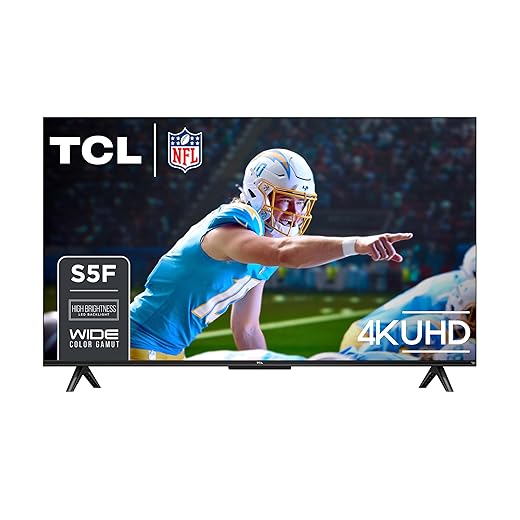
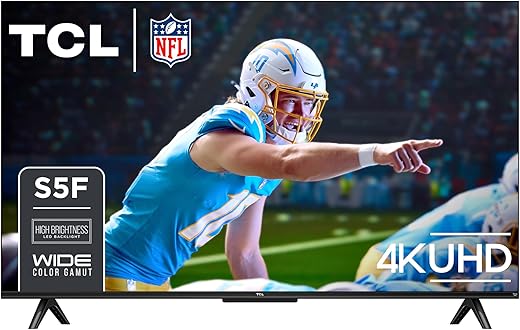
We found this to be an impressive value proposition: a very feature-rich 4K set that brings modern HDR support and gaming conveniences to a budget price. The trade-off is software polish — Fire TV on this chassis can be uneven — and the onboard audio only goes so far before you want a soundbar.
Reliable Midrange

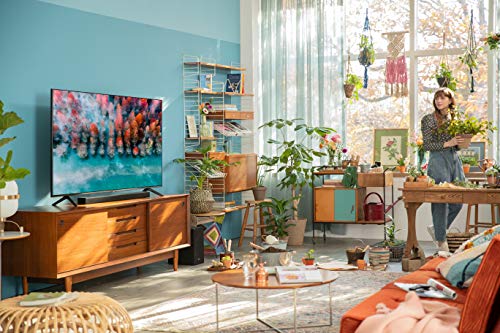
We appreciate this as a conservative, reliable midrange option that prioritizes a polished interface and consistent upscaling over flashy specs. It’s an easy daily-driver TV — but compared with newer budget rivals, it shows its age in HDR richness and gaming features.
TCL S5 43
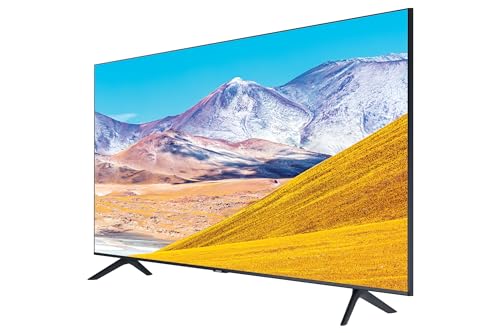
Samsung TU8000 43
TCL S5 43
Samsung TU8000 43
TCL S5 43
Samsung TU8000 43
Picture and sound—real-world performance, not marketing specs
TCL S5 (2024): HDR where it counts
We found the S5’s HDR handling noticeably ahead of older budget sets. Dolby Vision and HDR PRO+ (plus HDR10+/HDR10/HLG) give it two practical advantages: more accurate tone-mapping on a scene-by-scene basis, and fewer blown highlights in bright speculars. The High Brightness LED backlight makes highlights pop in a well-lit room, and Motion Rate 240 with MEMC cleans up sports and scrolling UI — sometimes at the cost of the “soap opera” look. For gaming, ALLM, VRR (Game Accelerator 120) and lower input lag are meaningful upgrades.
Dolby Atmos and DTS Virtual:X processing improve perceived spaciousness from the built-in speakers, and the Enhanced Dialogue mode helps clarity. Still, the on‑board audio is better than average for a flat‑panel, not a replacement for a soundbar.

Samsung TU‑8000 (2020): reliable upscaling, limited HDR depth
Samsung’s Crystal Processor upscales SDR to 4K cleanly, and out‑of‑the‑box color is pleasing. But the TU‑8000’s older panel limits peak brightness and dynamic range: HDR scenes often show compressed highlights and shallower blacks compared with newer sets. Without VRR and with a 60Hz native panel, fast motion and competitive gaming expose more judder and higher input lag. The 20W speakers give clear mids but lack punch and spatial processing, so films and action scenes feel flatter.

What this means for you
Feature Comparison Chart
Smart platform and ecosystem: Fire TV vs Samsung's platform
Software determines daily happiness. We’ll compare the TCL’s Fire TV integration and Apple AirPlay 2 compatibility against Samsung’s Tizen-based experience (as deployed on the TU‑8000), covering app availability, voice assistants (both have Alexa integrations), remote design and responsiveness, smart‑home links, and update cadence. We’ll discuss ecosystem lock‑in—how your phone, speakers, and streaming subscriptions behave with each TV—and why platform responsiveness and update policy matter more than raw hardware specs for long‑term value.
Apps and content discovery
Fire TV (TCL S5) gives you the familiar Amazon home screen: lots of apps, deep Prime integration, and fast search across services. App selection is broad and Amazon pushes new streaming features aggressively. Tizen (Samsung TU‑8000) is mature and stable—its app store covers the big streaming names and the Universal Guide helps find content quickly, but niche or newer apps sometimes arrive later.

Voice, remotes, and responsiveness
Both TVs support Alexa built‑in, but they feel different in use. The TCL’s Fire TV remote is featureful (dedicated hot keys, mic) but we noticed occasional sluggishness in the UI on budget hardware. Samsung’s TU‑8000 remote is simpler and Tizen generally feels snappier for navigation on day‑to‑day tasks, though the TU‑8000’s older hardware shows its age with heavier apps.
Smart‑home and ecosystem lock‑in
Update cadence and why it matters
A responsive, well‑maintained OS keeps a cheap TV feeling fresh. Fire TV benefits from Amazon’s frequent feature rollouts; Tizen’s stability and long app support are valuable, but older TU‑8000 units may not receive major new features. For daily use, we care more about a smooth, updated platform than a few extra HDR specs on paper.
Design, inputs, and daily ergonomics
We’ll look at the things you interact with every day: chassis and bezel design, stand or VESA options, the remote control, menu ergonomics, and the port layout (HDMI count, ARC/eARC support, USB). We’ll also measure input lag and test basic gaming responsiveness and any available game modes or passthrough behaviors. This section explains why bezel thickness, port placement, and one‑handed remote use matter when you wall‑mount a TV, connect a soundbar and console, or navigate menus with kids in the room.
Chassis and stand
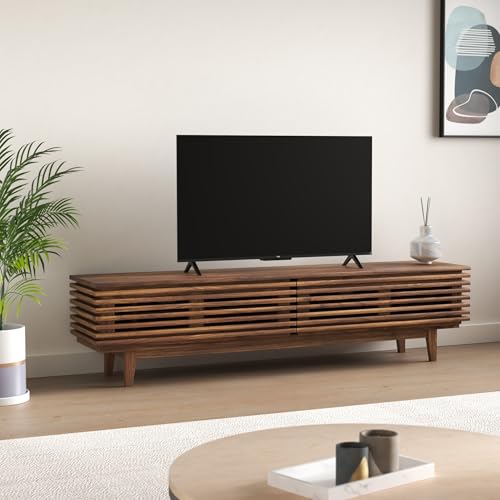
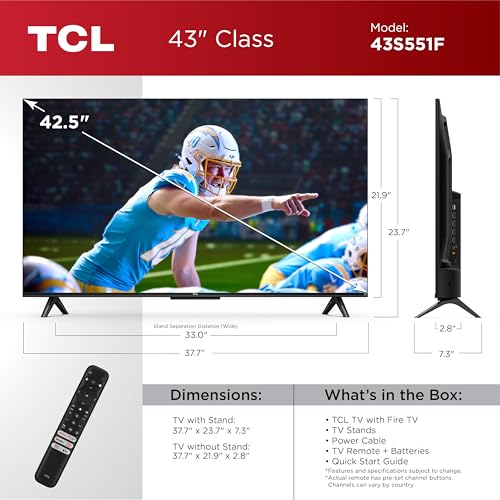
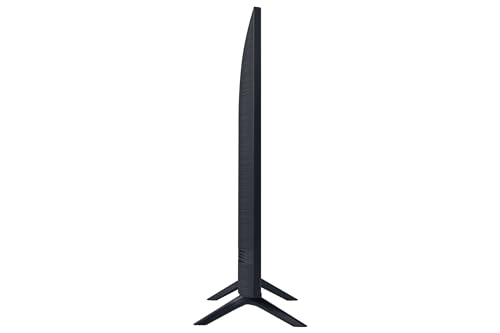
The TCL S5 leans into modern styling with an edge‑to‑edge “FullView” metal bezel that visually disappears in a living room—handy when you sit close or pair it with narrow shelving. The Samsung TU‑8000 is tidy and unobtrusive but shows its 2020 roots with a slightly thicker bezel and chunkier plastic feet. Both accept wall mounts, but if you plan to tuck a soundbar under the panel, the TCL’s thinner bezel reduces visible gap and looks cleaner.


Remote and menu ergonomics
TCL’s Fire TV remote is button‑dense: mic, app hotkeys, and media controls make common tasks fast, though the TV’s occasional UI sluggishness makes rapid navigation feel uneven. Samsung’s remote is simpler and Tizen’s menus are consistently snappy—less to learn and fewer accidental presses for kids. One‑handed use favors Samsung for predictability; TCL rewards familiarity with Fire TV’s shortcuts.
Ports, inputs, and gaming responsiveness
Why it matters: thick bezels, awkward rear ports, or a sluggish remote make mounting, hooking a console/soundbar, and handing the remote to a kid painful. If you frequently wall‑mount, game, or want a simple family remote, the TCL’s modern design and gaming features win on flexibility; Samsung wins on predictability and faster day‑to‑day navigation.
Price, support, and long-term value
Here we put dollars and time on the table. We’ll compare street prices, typical discounts, warranty and firmware support expectations for a 2024 TCL model versus an older 2020 Samsung, and consider resale and longevity. We’ll also place both in the current competitive context—how they stack up against similarly priced rivals and whether the TCL’s modern codecs and sound features justify any premium. Ultimately we translate specs and experience into who should buy which TV and why.
Street price and discounts
The TCL S5 is a clear value play: it lists around $220 and routinely sits in the low‑$200 range during regular sales. The Samsung TU‑8000 is an older 2020 design and still appears in the mid‑$300s to low‑$400s new; by 2024 its price rarely justifies buying new unless heavily discounted or bundled. For the same money as the TCL you can often find newer competitors (Hisense/Vizio entry‑to‑mid models) that match basic picture features.
Warranty and firmware expectations
Both brands ship with a standard one‑year limited warranty. Firmware-wise, the TCL S5 benefits from being a current 2024 Fire TV model — expect a few years of app/codec updates via Amazon. The TU‑8000 runs mature Tizen software; it’s stable, but Samsung prioritizes feature updates on newer models, so long‑term feature growth is limited.
Resale and longevity
Who should buy which
Final verdict: which one we’d recommend
We pick the TCL S5 as the clear winner. For everyday value it offers newer hardware, Dolby Vision and HDR PRO+, Dolby Atmos, Fire TV with wide app support, and AirPlay 2 — a modern combo that improves picture, sound, and streaming ergonomics without a big price premium. Movie fans get better dynamic range and immersive audio; gamers benefit from current HDMI and low-latency firmware updates; smart‑home users get built‑in Alexa plus Apple compatibility. In short, it feels like a 2024 TV that won’t feel obsolete quickly.
The Samsung TU‑8000 still makes sense if you’re tied to Samsung SmartThings, find a deep clearance deal, or want a neutral color profile out of the box. Otherwise buy the TCL for future‑proofing and richer everyday experience. Ready to upgrade your living room or keep hunting deals? We’d pick TCL for the better modern experience and longer relevance.

Chris is the founder and lead editor of OptionCutter LLC, where he oversees in-depth buying guides, product reviews, and comparison content designed to help readers make informed purchasing decisions. His editorial approach centers on structured research, real-world use cases, performance benchmarks, and transparent evaluation criteria rather than surface-level summaries. Through OptionCutter’s blog content, he focuses on breaking down complex product categories into clear recommendations, practical advice, and decision frameworks that prioritize accuracy, usability, and long-term value for shoppers.