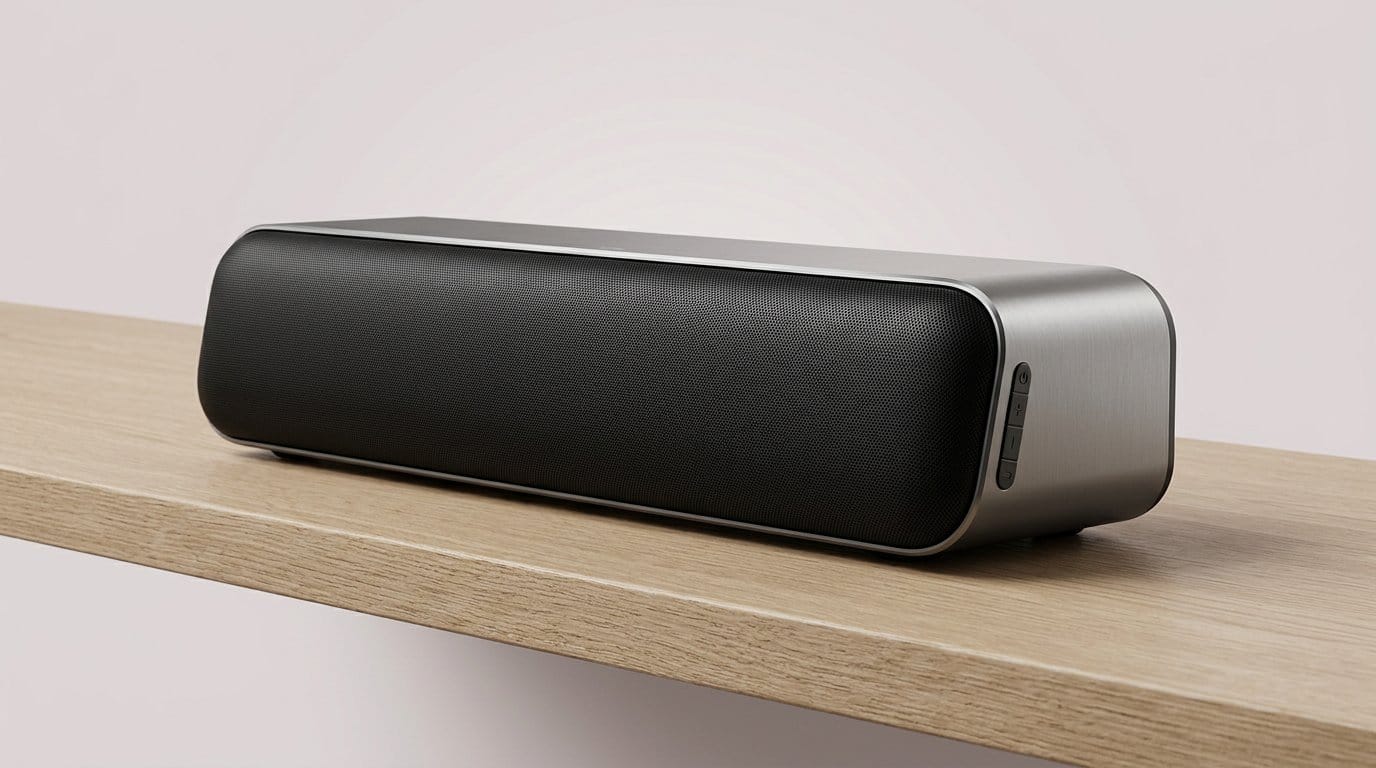

Tiny footprint, mighty punch — which compact soundbar will make your cramped space sound like a cinema?
Small rooms deserve BIG sound. Your TV sits on a narrow stand, neighbors are close, and the built-in speakers sound like a kazoo. You want clarity, presence, and—if possible—some low end in our Top Picks, without a tangle of wires or a wall of gear.
We tested compact bars for real-world setups: tiny apartments, bedroom TVs, and desktops. We focused on design, ease of setup, how well dialogue and spatial effects translate in a small space, and how each bar fits into a modern smart-home ecosystem. Short on space doesn’t mean you should shortchange sound.
Top Picks





Sonos Beam Gen 2 Dolby Atmos Soundbar
We think it’s the most polished compact Atmos-capable bar for smaller rooms—excellent spatial processing, crisp dialogue, and a flexible ecosystem that scales to multiroom or true surround setups. The app-driven tuning and integrations are a major advantage for modern smart homes.
What makes it compelling
The Beam Gen 2 packs modern surround processing into a bar sized for apartments and small living rooms. We value how Sonos balances immersive vertical effects with clear center-channel performance so dialogue never gets buried in the mix.
Sound, ecosystem, and daily use
Sonos’ Trueplay and automatic tuning make setup painless, and the Beam integrates well into an existing Sonos network. In practice we observed:
Design and competitive context
Beam’s small footprint and premium app experience set it apart from generic compact bars. If you’re already invested in a streaming ecosystem or plan to expand to surrounds, its price begins to look like an investment rather than a single purchase. For small rooms where Atmos and expandability matter, it’s our top recommendation.
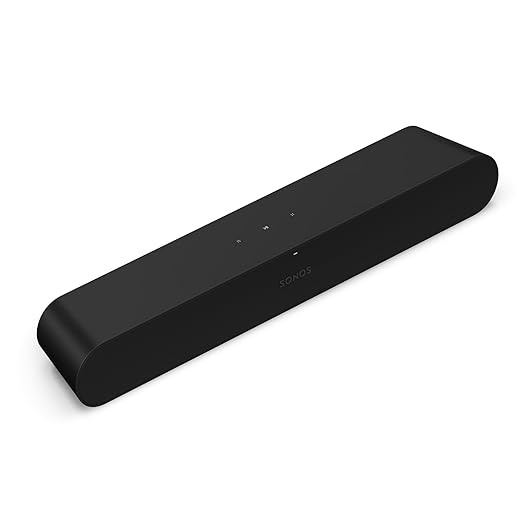
Sonos Ray Compact Soundbar for TV
We found it delivers excellent clarity and a surprisingly wide stereo image for its size, and the Sonos app and multiroom features make it a great first-step into a larger system. The lack of HDMI and Atmos are tradeoffs for the compact design.
Where it fits in the market
The Sonos Ray is aimed squarely at users who want a premium, compact soundbar that’s easy to use and expands into a Sonos multiroom system. For small rooms and secondary TVs it’s a smart, space-conscious choice.
Listening and practical use
Despite the lack of a subwoofer, Ray produces tight midbass and clean dialogue. From our testing we noted:
Final take
We appreciate the Ray for its combination of sonic performance and ecosystem flexibility. If you want a small, long-lasting bar that can grow into a full system, it’s an attractive balance of price, size, and sound quality.
Yamaha YAS-209BL Soundbar with Alexa
We like that it combines a full-size wireless subwoofer with built-in Alexa—making it both a smart speaker and a serious TV upgrade. The sub adds real low-end weight, and voice control is convenient for hands-free playback and smart-home tasks.
Product overview and intended use
The YAS-209BL blends smart speaker convenience with a traditional soundbar-plus-sub setup. For small rooms where you still want authoritative low end, Yamaha’s design gives you a lot of value without taking up too much horizontal space.
Listening impressions and features
In our listening sessions the dedicated subwoofer stands out: it produces satisfying rumble that most compact bars can’t match. Additional points we observed:
Considerations and verdict
If you want smart features and a genuine subwoofer without a complex multi‑speaker setup, this is one of the best blends on the market. Power users who want granular EQ controls or 5GHz Wi‑Fi may find the platform limiting, but for most small-room users it’s a very capable all-around pick.
Samsung HW-S50B 3.0 All-in-One Soundbar
We like that it offers a three-channel layout with a dedicated center for dialogue, delivering a noticeably clearer listening experience without a separate subwoofer. It’s a tidy option if you want full-range sound in a compact package.
The proposition
The HW-S50B aims to be the single-box answer for people who want richer, more articulate TV sound without separate satellites or a subwoofer. Its 3.0 channel design places emphasis on midrange and dialogue clarity.
How it performs day-to-day
The dedicated center driver is the bar’s real advantage—voices cut through crowded mixes better than with many two-channel bars. We also noticed:
Practical considerations
If you want punchy, room-shaking bass, this model won’t replace a 2.1 system with a subwoofer. But for living rooms and bedrooms where space and simplicity matter, it’s a compelling tradeoff—clean dialog, wide soundstage, and strong integration with Samsung’s TV features.
Overall, we recommend it for those who prioritize conversational clarity and a minimal setup that still sounds full.
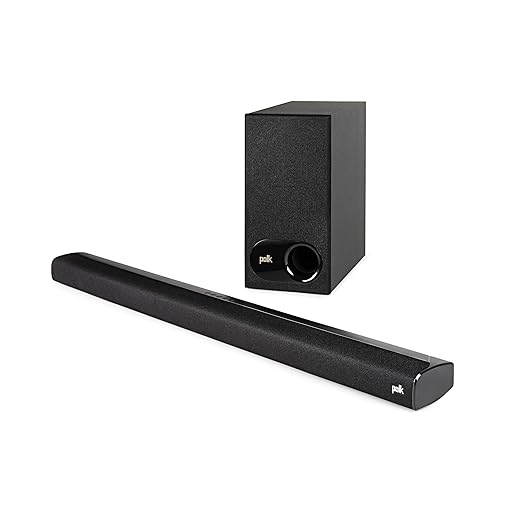
Polk Signa S2 Soundbar with Subwoofer
We found the Signa S2 to be an excellent value for people who want a low-profile bar with a real wireless subwoofer and voice‑forward tuning. It’s especially attractive if you’re on a budget but still want a fuller cinematic experience.
Positioning and who it helps
Polk’s Signa S2 is built around a simple idea: give buyers an ultra-slim bar that won’t hide a TV’s IR sensor. For small rooms, that combination is compelling.
Sound and practical performance
We found the voice-centric tuning and Polk’s VoiceAdjust feature useful for news and dialogue-heavy dramas. The bar’s drivers pair well with the sub so that:
Trade-offs and final thoughts
It won’t match higher-priced units in midrange finesse or the spatial sophistication of Atmos-enabled bars, but for its price and footprint the Signa S2 gives the biggest practical uplift from TV speakers. We recommend it for small rooms where discreet placement and impactful bass are priorities.
Samsung HW-C450 2.1 with Subwoofer
We were impressed by its Adaptive Sound Lite and Game Mode, which help the bar keep dialogue and in-game directional cues clear in small rooms. The included wireless subwoofer lets you dial satisfying bass without adding wiring complexity.
Why it stands out
The HW-C450 is a practical two-piece system that focuses on usability for mixed use—TV, movies, and gaming. We liked that Samsung gives you a bass boost button and presets that make it easy to switch between content types.
Real-world listening and features
In a small room the bar produces clear vocals while the sub delivers the rumble you want for action scenes. Key takeaways from our time with it:
Fit and finish
The soundbar is unobtrusive and short enough to sit under most TVs or be wall-mounted. One practical limitation: if you rely on HDMI pass-through for multiple HDMI devices, double-check the exact ports on the model you buy—some users end up using optical because of missing HDMI inputs.
In short, we consider it a solid mid-range pick for small rooms where ease of use, bass impact, and gaming-friendly features matter wave.
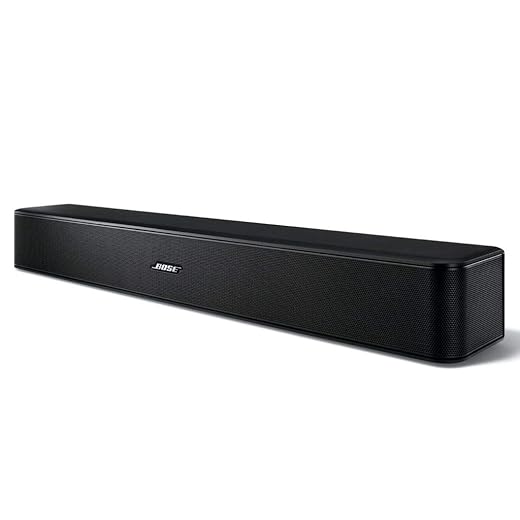
Bose TV Speaker Compact Soundbar
We appreciate the combination of clarity-focused tuning and the ability to add a Bose bass module later if you want more low end. The compact height keeps it friendly for small TV stands while still offering a wider sound than a TV alone.
Product positioning and design
The Bose TV Speaker is an all-in-one compact bar that focuses on speech clarity and an expansive stereo image from a small cabinet. We see it as a good stepping stone for people who might later add a subwoofer or surround speakers within the Bose ecosystem.
Listening impressions and features
In everyday use the bar produces wide, natural sound despite its size. Notable points we observed include
Expandability and ecosystem note
One of the bar’s strengths is compatibility with Bose’s Bass Module 500/700—giving users an easy upgrade path if they later want more rumble. That said, adding those modules requires separate cables sold by Bose, and the full-feature experience is more compelling when you adopt additional Bose components.
Overall, we recommend this for users who prize clarity and future expandability in a compact package rather than maximal bass out of the box.
Sony HT-S400 2.1ch with Subwoofer
We found it delivers fuller, more cinematic sound than most single-piece bars in this price and size class, thanks to the included wireless subwoofer and Sony’s vocal-enhancing tech. Setup is straightforward and integration with Sony TVs is especially convenient.
What it is and who it’s for
We see the HT-S400 as a pragmatic pick for people who want a quick, noticeable upgrade from TV speakers without hunting for a separate subwoofer. It’s a 2.1 setup—soundbar plus wireless sub—that emphasizes dialogue clarity while still delivering movie-style bass.
Performance and daily use
The unit uses Sony’s S-Force PRO front surround processing and an X-Balanced speaker unit to push a wider soundstage than the bar’s size suggests. In practice we found that:
Design and integration
The soundbar is wall-mountable with a flat back that sits flush, and the compact remote and small OLED status window make everyday use simple. Where it matters for Sony buyers, the bar shows integrated controls on Bravia Quick Settings when connected—something we appreciated for a minimal remote clutter setup.
Caveats and practical notes
This isn’t a high-end audiophile system: imaging and surround illusion are limited compared with beam-based or Atmos-capable bars. If you have a very small shelf or need ultra-compact gear, the subwoofer’s footprint and the bar’s width might still be a constraint. Overall, we recommend it when you want authoritative low end and clear voices without a complicated multi-speaker installation.
Sony S100F Slim 2.0 Soundbar
We think it’s a solid budget solution for small rooms or desks where space is tight. It improves dialogue and overall TV sound noticeably, though it won’t satisfy listeners who want deep bass or advanced processing.
Who should consider this
The S100F is designed for people who want a discreet, affordable soundbar to sit under a small TV or on a mantel. We recommend it if you need better clarity than TV speakers but don’t have room for a subwoofer or a larger system.
How it performs in real rooms
Its bass-reflex design and built-in tweeter punch above the bar’s weight class for everyday TV shows and streaming. In our listening tests the soundbar:
Practical strengths and limitations
Setup is largely plug-and-play—HDMI ARC or optical connections are supported—but some users report that the bar can behave inconsistently when powering on/off with multiple devices. If you want an ultra-reliable power-on behaviour across remotes, consider testing compatibility with your TV beforehand.
Overall, we see this as a smart buy for apartments, bedrooms, or home offices where size and price are the main priorities.
Bose Solo 5 Slim TV Soundbar
We find it a good small-footprint option for single-room users who want clearer dialogue and a compact stereo footprint. It’s basic feature-wise, but the tuning favors intelligibility over theatrics.
A no-fuss solution for small spaces
Bose designed the Solo 5 to be an uncomplicated answer to poor TV speakers—especially for bedrooms, dorms, or small apartments. We consider it an entry-level option that focuses on dialogue clarity and ease of use.
What you get and what to expect
Don’t expect theatrical bass or a feature-packed app. What you will see in day-to-day use is
Practical trade-offs
It’s not a full home-theater solution; there’s no Atmos, no wireless sub, and limited tuning controls. The Solo 5 is best when you need a quick, clean improvement over TV speakers and want a minimal, reliable setup without a lot of calibration.
In our view, it’s a sensible pick when size, simplicity, and voice clarity are the top priorities rather than immersive cinema-level sound.
Final Thoughts
If you want the most polished compact experience and plan to stream, expand, or get immersive sound, we recommend the Sonos Beam Gen 2. It’s our pick for smaller rooms because it brings true Dolby Atmos processing in a small cabinet, clean dialogue, and app-driven tuning that actually improves day-to-day listening. The Beam’s HDMI eARC passthrough and tight Sonos ecosystem make setup painless and scaling to surrounds or multiroom audio straightforward. Choose the Beam if you have an HDMI-equipped TV, care about spatial effects for movies, and want a system that grows with you.
For people who prioritize bass and value over fuss, pick the Polk Signa S2. It pairs a low-profile bar with a real wireless subwoofer, giving you a fuller cinematic feel without a big footprint or big price. The Signa S2 is ideal for compact living rooms and bedrooms where you want movie-impact bass and simple voice-forward tuning. It’s a better choice when your priority is punch and price rather than Atmos or deep ecosystem integration.
We didn’t pick a single "one-size-fits-all" winner because the compact-bar market has clear tradeoffs: the Beam Gen 2 leads on spatial and ecosystem polish, while the Signa S2 wins on bass-to-dollar. If you need a middle ground—strong dialogue clarity without a sub—consider the Samsung HW-S50B for its dedicated center channel and tidy three-channel design.
Frequently asked questions
How did we pick these compact soundbars for small rooms options?
We shortlist models that balance performance, reliability, and value for typical buyers—not just the highest spec sheet. Hands-on notes, owner feedback, and return/warranty policies all feed the ranking.
Which compact soundbars for small rooms pick is best for most people?
Start with our top overall choice if you want the safest balance of price and features. Move up or down the list only when a specific need—budget, ecosystem, or a must-have feature—clearly applies to you.
Do prices on this compact soundbars for small rooms list change often?
Yes. Retailers run frequent promos, so use the live price buttons on this page and compare shipping and return windows before checkout—the best deal is not always the lowest sticker price.
Should I buy the cheapest compact soundbars for small rooms on the list?
Only if the trade-offs fit your use case. The budget pick can be excellent value, but check what you give up in build quality, software support, or key features you will use every week.
What if none of these compact soundbars for small rooms picks fit?
Use the comparison and guide links on this page to narrow by size, platform, or feature, then revisit the list with your must-haves written down—forcing a mismatch creates more returns than savings.
How often is this compact soundbars for small rooms roundup updated?
We refresh rankings when major models launch or pricing shifts enough to change the value story. Check the publish date at the top and compare current specs if you are reading months later.

Princess Rioboca is the Lead Editorial Writer at Option Cutter, bringing over seven years of hands-on experience in consumer technology journalism. Specializing in home networking and smart home architecture, she transforms complex technical data into practical, real-world upgrades. Princess personally tests and audits every product she reviews—evaluating real-world Wi‑Fi throughput, cable management durability, and streaming ecosystem stability—to filter out spec-sheet noise. Her rigorous, field-tested insights are designed to give readers transparent, unbiased buying advice on what to purchase, what to skip, and exactly why.