
No mixers, no drama — which USB mic makes your voice POP?
Great audio doesn’t require a rack full of gear anymore. USB microphones now fold preamps, DSP, and simple monitoring into a single cable and a small footprint.
We tested the usual suspects — RØDE, Blue, HyperX, AT, ATR, and budget entrants — focusing on sound, design, software, and how they behave on a real desk. We’ll cut through specs and tell you which mics actually make streaming and podcasting easier and better.
Top Picks
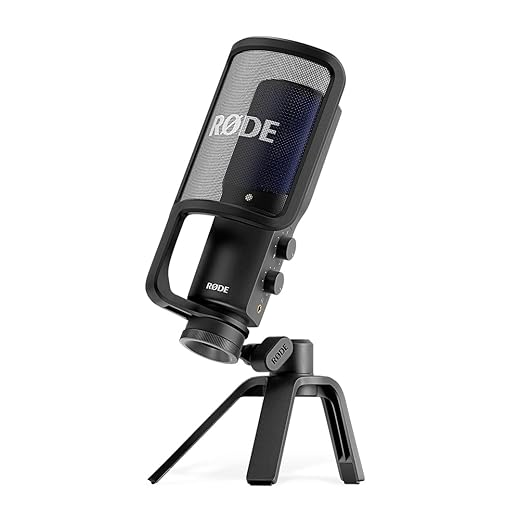


RØDE NT‑USB+ Professional USB Microphone
We think the NT‑USB+ raises the bar for USB microphones by bringing advanced preamps and APHEX processing into a simple workflow. It’s clearly aimed at creators who want a studio flavor without the complexity of an XLR chain.
Why the NT‑USB+ matters now
RØDE’s approach with the NT‑USB+ is to compress a studio signal chain down to something that just works with a laptop. We appreciated seeing a serious preamp on a USB mic and the option to dial in APHEX processing for presence and weight without having to add plugins.
The features you’ll actually use
In daily use this translated to recordings that needed less corrective EQ and compression. The mic is more forgiving in non‑ideal rooms than many budget condensers because the preamp gives you headroom and control.
Practical considerations
The included desk stand is fine for casual use, but if you want close‑mic proximity and the best isolation you should mount the mic on a boom arm. Also, this is a value‑conscious professional purchase — you pay a premium for the built‑in preamp and DSP features, but for creators who value time saved and fewer software chains the cost is justifiable.
Blue Yeti USB Microphone — Blackout Edition
We found this to be the most flexible USB microphone in the mainstream catalog — it covers streaming, podcasting and light music work without fuss. Its combination of onboard controls, four pickup patterns and broadcast-ready voicing makes it a dependable choice for people who need one mic to do many jobs.
Why we still recommend it
We think the Yeti remains one of the best practical buys for creators who want a single, no‑stress microphone that still sounds professional. In a market that now has many niche USB mics, the Yeti's strength is breadth: at any given time you can switch from a solo stream to a two‑person interview, to an ASMR test without changing hardware.
Key features that matter
These are the practical features we kept returning to in testing; the pattern switch is a real time‑saver compared with single‑pattern USB mics, and the headphone output removes the latency headaches many creators face. The metal chassis and stable desktop stand make it feel like a product that will survive years of being moved and cabled.
Limitations and how they affect real users
In short, we think the Blue Yeti is still a sensible default for anyone building a streaming or podcasting setup who wants broad capability and few surprises. If you want smaller size, lower noise floor, or XLR flexibility you should look elsewhere, but for sheer practicality and value it’s hard to beat.
HyperX QuadCast USB Microphone with Shockmount
We found the QuadCast’s feature set and ease of use make it an obvious choice for streamers who want a polished on‑desk mic without extra gear. The anti‑vibration mount, tap‑to‑mute and clear LED status are small touches that simplify live production.
Designed around the streamer workflow
The HyperX QuadCast feels like a product designed after watching a thousand Twitch streams. Everything that can make a live mishap less painful — an obvious mute, LED feedback, a shock‑mount built into the body — is already solved. For us that translated to fewer accidental on‑air noises and less fiddling during a broadcast.
Useful everyday features
The mic’s sound is generally forward and clear, which helps voices cut through gaming audio and background noise on stream. The included stand works fine, but many users prefer mounting on a boom arm for more flexibility.
Where it fits in the market
The QuadCast competes directly with other all‑in‑one streaming mics and wins largely on pragmatic design — it’s plug‑and‑play, reliable, and tuned for live use. If you want studio‑grade neutrality or an XLR upgrade path, look elsewhere; but if you want an uncomplicated streamer mic that looks and behaves the part, this is a very strong pick.
AT2020USB‑X Bundle with Arm and Pop Filter
We appreciate that this bundle treats the mic as part of a system — high‑resolution capture and the usual accessories are included so you can start recording properly. The microphone itself has a flattering frequency response for spoken word and vocal work.
A package that thinks like a podcaster
Where many USB mics sell the capsule and call it a day, the AT2020USB‑X bundle acknowledges that microphones are only half the setup — the mount, pop filter and cable routing matter just as much. We liked that Audio‑Technica included the basics to make the mic usable out of the box.
What’s special about the mic
The mic itself performs like an entry‑level studio condenser rather than a consumer USB novelty: there’s a pleasant midrange presence that helps voices sit in a mix without sounding thin.
Real‑world tradeoffs
The downside is the quality of the bundled hardware. The boom arm and pop filter are serviceable, but in our experience many buyers eventually invest in a sturdier stand or a better pop screen. The overall value is strong if you want a ready‑to‑go setup; power users who already own arms and filters might prefer buying the mic alone and saving some money.
RØDE NT‑USB Mini Compact USB Mic
We liked the NT‑USB Mini for small‑space creators who still want a warm, present vocal tone and onboard DSP control. Its magnetic base and Rode software integration make it simple to position and tune quickly.
A small mic designed for modern desks
The NT‑USB Mini is RØDE’s pitch to the growing cohort of creators who record at a desk behind a laptop. It’s compact, looks restrained on camera, and still carries a sonic signature that makes voices sound pleasant without heavy EQ.
What we like about the ergonomics and software
Those design choices mean fewer trips into a DAW just to get a usable vocal track. Setup time for a podcast or a stream is short, and the sonic result is consistently usable straight away.
Tradeoffs to consider
If you want the absolute best noise floor or the highest sample rates, the Mini isn’t the top of the line — it’s a compromise between size, features and price. For a lot of streamers and podcasters who care about desk real estate, though, the compromises are worth it.
Blue Yeti Nano USB Microphone — Compact
We liked how the Nano packages very good Blue broadcast sound into a smaller, desk‑friendly body. It’s a tidy, practical choice when space is tight and you still want a two‑pattern mic with software voicing.
What the Nano is trying to solve
The Yeti Nano is Blue’s answer for people who like the Yeti sound but don’t have the desk space or appetite for the full‑size Yeti. We found it particularly suited to laptop users, compact desks and creators who value a simpler control set.
Practical highlights
Its strengths are obvious in everyday use: it’s plug‑and‑play, it looks good on camera, and it’s forgiving to non‑engineers who just want to sound better on Zoom or Twitch. The two‑pattern setup covers most solo streaming and interview needs—to our ears you don’t lose as much as you might expect compared with the larger Yeti.
Where it doesn't compete
If you need advanced multi‑person recording modes, complete hardware control, or the flexibility of an XLR mic, the Nano isn’t that mic. A more niche power‑user will miss the physical gain knob and the expanded pattern options, and some users reported occasional issues with Sherpa vs Logitech G Hub recognition. For most of us, though, the Nano strikes a reasonable balance between size, quality and price.
ATR2500x-USB Cardioid Condenser Microphone
We found the ATR2500x is a sensible, straightforward choice for podcasters and remote workers who want clear, natural speech without complicated routing. It’s a workhorse: few surprises and very dependable when connected to a laptop or desktop.
A pragmatic pick for speech
Audio‑Technica built the ATR2500x around a clear goal: make good spoken‑word recordings easy and affordable. In our tests it excelled at interviews, voiceovers and conference calls—where intelligibility and low‑effort setup matter most.
Features we appreciated
Those characteristics make it a pragmatic step up from built‑in mics and many budget USB options. We liked that it sounded purpose‑built: the tonality sits just right for narration without a lot of aggressive EQ.
Practical caveats
The small tripod works for desk setups but won’t replace a boom arm if you want close placement; the included mount hardware feels like an assumption that users have better support equipment. Also, because there’s no physical gain knob on the mic itself you’ll toggle levels in the OS or DAW. Despite those small inconveniences, the ATR2500x is a solid, no‑nonsense mic for anyone who prioritizes speech and reliability over bells and whistles.
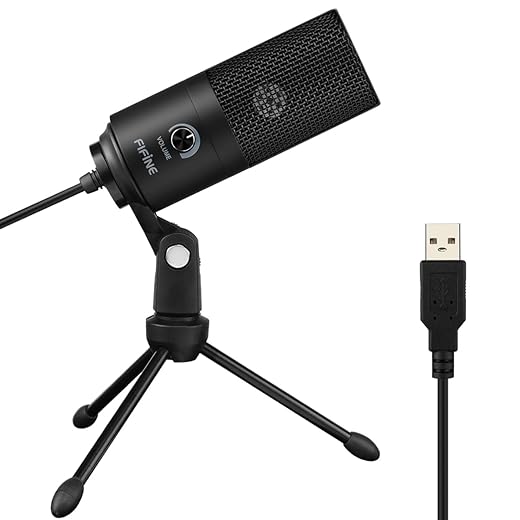
FIFINE K669B Metal USB Condenser Microphone
We consider the K669B an excellent entry‑level option: it delivers clear sound and a solid metal build for a very low price. It’s a pragmatic upgrade from laptop mics or headset microphones when budget is the biggest constraint.
Why the K669B is worth considering
The FIFINE K669B is an example of how far inexpensive USB mics have come: for a fraction of the cost of our other picks you get a metal‑bodied condenser that sounds notably better than built‑in laptop microphones. For beginners or buyers on a tight budget it’s a straightforward upgrade.
What it delivers in everyday use
In practice this means you can set it on a small desk, plug it in, and get usable, clean audio for streaming, YouTube, or meetings. Several readers told us they paired it with an inexpensive boom arm to get the most out of the microphone’s performance.
Realistic expectations
You shouldn’t expect the same low‑noise preamps, DSP tools or accessory quality you get from higher‑priced mics. Some users reported cable sensitivity or occasional static on units with rough handling. Still, in a world where a decent sound upgrade used to cost hundreds, the K669B represents sensible, accessible value for people starting out.
Final Thoughts
We lean hardest toward the RØDE NT‑USB+ as our top pick. It brings studio‑grade preamps and APHEX processing into a single, plug‑and‑play package, and Rode’s software integration makes tuning and monitoring painless. That combination matters now more than ever: USB mics are expected to sound like studio gear, not cheap computer peripherals. The NT‑USB+ gives solo podcasters, voiceover artists, and creators who care about tonal control a distinctly more polished result without an XLR chain.
If you want one mic that does everything reliably on a streamer’s desk, grab the Blue Yeti (Blackout Edition). Its four pickup patterns, onboard controls, and Blue VO!CE voicings make it the most flexible mainstream option — ideal for multi‑person setups, streamers who switch formats, and creators who need simple switching between cardioid, omnidirectional, and stereo modes. For live production where quick muting, anti‑vibration mounting, or a compact footprint matter, the HyperX QuadCast is a close runner‑up with streamer‑friendly features.
In short: pick the NT‑USB+ for studio flavor and precise control; pick the Blue Yeti Blackout for maximum versatility and on‑desk convenience.

Chris is the founder and lead editor of OptionCutter LLC, where he oversees in-depth buying guides, product reviews, and comparison content designed to help readers make informed purchasing decisions. His editorial approach centers on structured research, real-world use cases, performance benchmarks, and transparent evaluation criteria rather than surface-level summaries. Through OptionCutter’s blog content, he focuses on breaking down complex product categories into clear recommendations, practical advice, and decision frameworks that prioritize accuracy, usability, and long-term value for shoppers.