We break down how over-ear and on-ear designs really feel in daily use—why padding, clamping force, and platform ecosystem compatibility matter more than specs, and which choice actually fits your commute, studio, or living room.
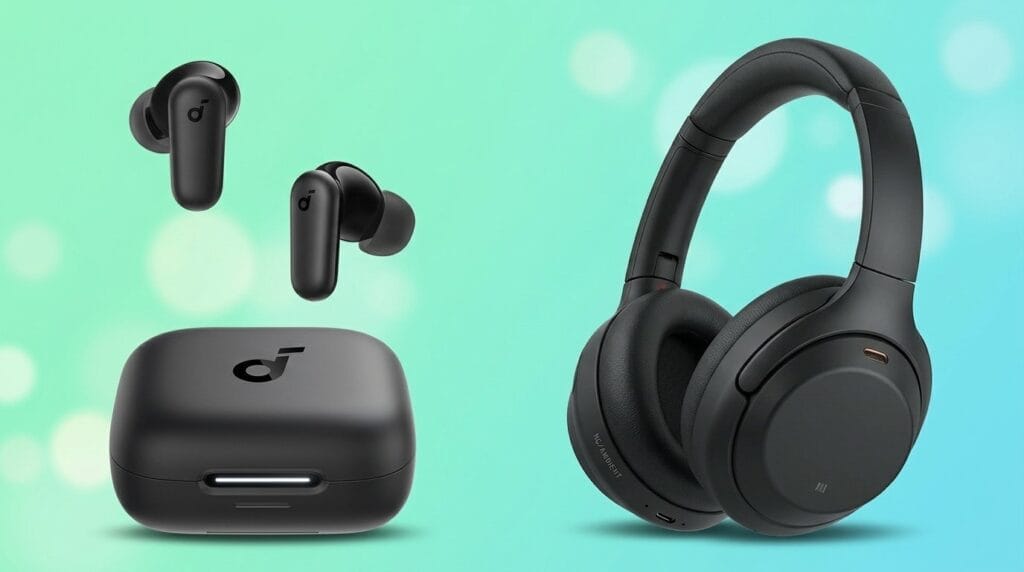
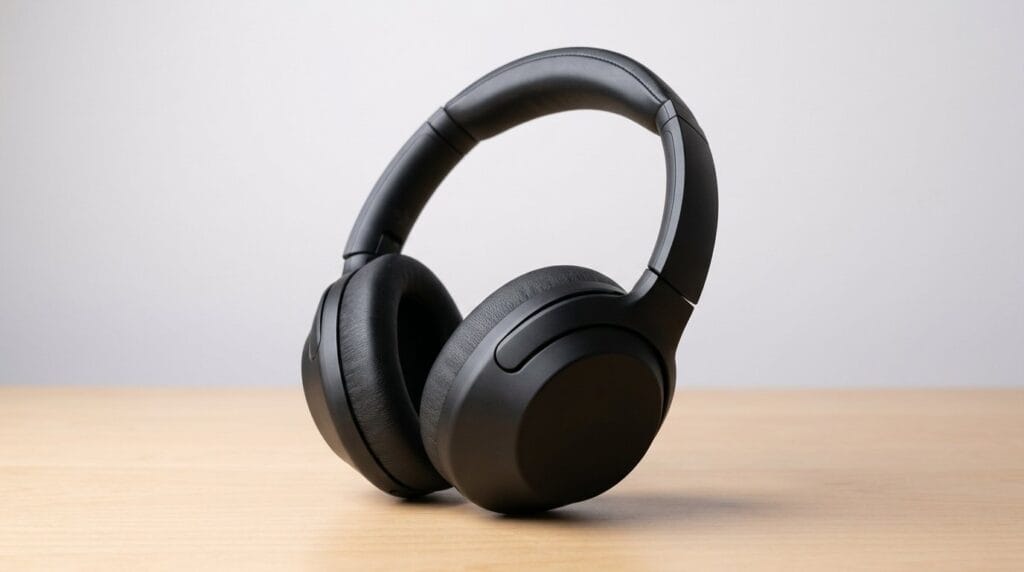
Surprisingly, tiny design choices can ruin a commute, so we put the Sony WH-1000XM5 (over-ear) and the Beats Solo3 (on-ear) head-to-head to find which truly feels better. We measured fit, pressure, materials, and daily usability to finally settle comfort debates.
Travel Companion

Daily Companion

Sony WH-1000XM5
- Industry-leading active noise cancellation that truly isolates in busy environments
- Lightweight, soft-fit materials that make extended wear comfortable
- Clear, balanced sound with strong imaging and low distortion
- Robust feature set (multipoint, touch controls, wearing detection) and solid app support
- Premium price relative to mainstream on-ear options
- Not water resistant — not ideal for sweaty workouts
Beats Solo3 Wireless
- Very long battery life and fast‑fuel charging for quick top-ups
- Punchy, consumer-friendly sound that emphasizes bass and presence
- Lightweight, foldable design and easy pairing (W1 chip with Apple devices)
- On‑ear clamping can become uncomfortable on extended wear or with glasses
- No active noise cancellation — relies on passive isolation
Feature Comparison
| Travel Companion Sony WH-1000XM5 | VS | Daily Companion Beats Solo3 Wireless |
|---|---|---|
9.2 / 10 | Comfort |
6.5 / 10 |
9.8 / 10 | Noise Cancellation |
6.2 / 10 |
9 / 10 | Sound Quality |
7.6 / 10 |
8.8 / 10 | Battery Life |
9 / 10 |
$248.00 | Current price |
$204.96 |
| Buy for $248.00 | Buy for $204.96 |
The Most Comfortable Gaming Headsets You’ll Love
Design & Fit: How Each Form Factor Feels on Your Head
We break down how over-ear and on-ear designs translate to long-term comfort: headband padding, earcup size and seal, clamping force, weight distribution, and how each handles glasses and different head shapes.
Sony WH-1000XM5 — Over‑ear: plush, low‑pressure fit
The WH-1000XM5 uses large, oval earcups with thick memory‑foam padding and a lightly sprung headband. That combination spreads weight across a bigger surface area, so hotspots on the top of the head are rarer and pressure around the ears feels gentler over time. The big seal isolates well without pinching; people with larger ears or hair buns get more consistent comfort.


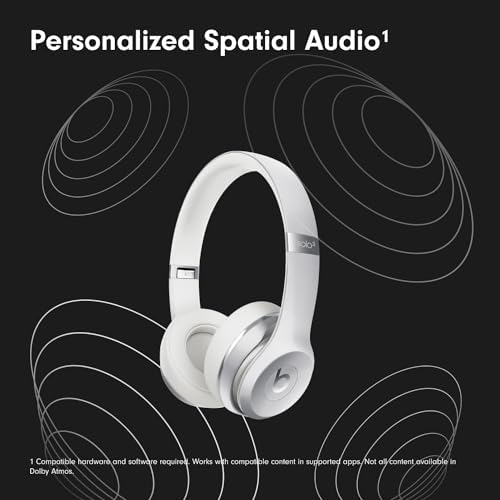
Beats Solo3 — On‑ear: compact and secure, but firmer
Solo3’s smaller earcups sit on the concha, not around it. The clamp is noticeably firmer to keep the cups from slipping, which improves stability when we move, but concentrates pressure on the upper ear and temples. The compact, plastic build is light for packing, yet the cushion surface is less breathable than the WH‑1000XM5’s softer leather‑like pads.

Practical differences that matter
Features Comparison
User Experience: Sound, Noise Control, and Perceived Comfort
Comfort isn’t just cushion — sound and noise management shape how tired our ears and brain feel after hours. We compare how the WH-1000XM5’s active noise cancellation and adaptive tuning reduce listening fatigue versus the Solo3’s open-on-ear exposure and lack of ANC.
Sony WH-1000XM5 — quiet, lower-volume listening
The XM5’s noise-cancelling over-ears (dual processors, Auto NC Optimizer) removes a lot of background energy so we can keep volume lower and still hear detail. Its balanced tonal curve and low distortion mean we rarely chase bass or presence with higher levels. Less ambient masking plus adaptive EQ reduces cognitive load and ear fatigue across long sessions. Sony’s mic array also keeps calls clearer, so we don’t raise volume to hear speech.


Beats Solo3 — immediate, louder, more exposed
The Solo3’s on-ear design leaves more environmental sound in the signal path; without ANC we find ourselves nudging volume up in noisy places. Beats’ consumer-forward, bass-emphasized tuning can feel lively short-term but encourages higher listening levels, which increases fatigue over multi-hour use. The lighter weight helps for quick bursts, but prolonged wear often means breaks to relieve ear pressure.


Real-world scenarios: where each feels more comfortable
The upshot: superior ANC and lower required listening levels make over-ear comfort like the XM5 feel more comfortable over long stretches, while the Solo3’s immediacy and light footprint win for short, social, and travel-light use.
Connectivity, Battery, and Ecosystem: How Integration Changes Comfort
Why connectivity and battery matter to comfort
Comfort isn’t only foam and clamping force — interruptions, fiddly pairing, and mid-day charging breaks create cognitive friction that makes any headset feel worse. We look at how each product minimizes those interruptions and why that matters in real life.
Sony WH-1000XM5 — flexible, configurable, fewer interruptions
The XM5 pairs reliably (Bluetooth 5.2) and supports multipoint, so we can stay connected to a laptop and phone at once without manually swapping. Sony’s Headphones Connect app and Adaptive Sound Control let us tune ANC, ambient sound, and automatic profile switching — which means fewer taps, fewer mode mistakes, and longer stretches of uninterrupted focus. Quick charging (a very short boost yields hours of playback) and a 30‑hour run time keep us from hunting for chargers mid-trip. Built‑in voice assistants and wearing detection also remove small frictions that add up.
Beats Solo3 — Apple-first convenience, exceptional runtime
Beats’ W1 chip and Class 1 Bluetooth deliver near-instant pairing with Apple devices and smooth handoffs among iCloud-linked gear — great if we live in Apple’s ecosystem. The Solo3’s headline is battery life: up to 40 hours and Fast Fuel (minutes of charge for hours of playback) means we rarely think about battery at all. But without multipoint and ANC, we still juggle device switching and raise volumes in noisy places, which increases mental load.
In short: Sony reduces attention overhead with configurable features and multipoint; Beats removes battery anxiety and is unbeatable for Apple-centric simplicity.
Portability, Durability, and Value: Which Is the Better Everyday Choice?
Packing and portability
We found the Solo3 wins for day-to-day carry. Its fold-flat hinges and small soft case make it genuinely pocketable for commutes and backpacks; at roughly $203 and a much smaller footprint, it’s the grab-and-go option. The WH-1000XM5 (about $398) is lighter on-head (250 g) but comes with a larger, semi-rigid case and a bulkier profile — it’s designed to live in a bag, not a pocket.
Built to last (and to repair?)
Both feel resilient in different ways. Beats leans on durable plastics and simple hinges that shrug off tossing into bags; aesthetic scratches are the main downside. Sony uses higher-end materials and a metal-reinforced chassis for a premium feel and long-term comfort, but those premium finishes can be pricier to repair. Neither headset is user-serviceable — repairs go through Sony or Apple/Beats support — so durability matters more than fixability.
Price and long-term value
Here’s where context matters: spending more on the XM5 buys real travel comfort — industry-leading ANC, better long-wear ergonomics, and features that reduce fatigue on long hauls or workdays. For frequent travelers and remote workers, that higher upfront cost can save time and frustration. The Solo3, with its 40‑hour battery and Apple-first pairing, is a better value if you prioritize lightness, style, and Apple ecosystem frictionlessness.
Frequently asked questions
Which is better, Over-Ear or On-Ear Headphones?
There is no universal winner: Over-Ear fits some buyers and On-Ear Headphones fits others. We compare specs, daily use, and trade-offs in this guide so you can match the pick to your budget and workflow, not a single spec sheet.
What is the main difference between Over-Ear and On-Ear Headphones?
Over-Ear and On-Ear Headphones target overlapping but not identical use cases. The sections above break down design, performance, ecosystem, and value so you can see where each product pulls ahead and where it compromises.
Should I buy Over-Ear or On-Ear Headphones first?
Buy the product that removes your biggest daily friction first. If Over-Ear solves your primary pain point, start there; if On-Ear Headphones is the bottleneck in how you actually work or play, prioritize it. Many households add the other later.
Is Over-Ear worth it over On-Ear Headphones?
Over-Ear is worth the premium over On-Ear Headphones when you will use the features that justify the price—extra performance, build quality, or ecosystem lock-in. If those extras go unused, On-Ear Headphones usually delivers better value.
Can Over-Ear replace On-Ear Headphones?
For some users, yes; for others, no. Over-Ear can cover most tasks On-Ear Headphones handles, but gaps in compatibility, accessories, or specialized workflows may still matter. Use our comparison table and verdict to see which gaps apply to you.
Who should choose Over-Ear vs On-Ear Headphones?
Choose Over-Ear if its strengths match how you will use it every day; choose On-Ear Headphones if you need its specific advantages or a lower entry price. When in doubt, favor the option that fixes your most frequent frustration—not the highest spec on paper.
Final Verdict: Which Headphone Wins on Comfort?
We pick the Sony WH-1000XM5 as the comfort winner. Its roomy over-ear cups, best‑in‑class ANC, and adaptive software lower necessary listening levels and remove pressure hotspots, keeping it comfortable through long flights and full workdays. In today’s market, that sustained low‑fatigue performance matters.
The Beats Solo3 wins when portability, price, or a snug on‑ear fit for active use is the priority. Casual listeners who value lightness and seamless Apple integration will prefer Solo3. For commuters and remote workers chasing all‑day comfort and ANC that reduces listening strain, choose the XM5. Decide for comfort. — browse our product comparisons.

Princess Rioboca is the Lead Editorial Writer at Option Cutter, bringing over seven years of hands-on experience in consumer technology journalism. Specializing in home networking and smart home architecture, she transforms complex technical data into practical, real-world upgrades. Princess personally tests and audits every product she reviews—evaluating real-world Wi‑Fi throughput, cable management durability, and streaming ecosystem stability—to filter out spec-sheet noise. Her rigorous, field-tested insights are designed to give readers transparent, unbiased buying advice on what to purchase, what to skip, and exactly why.