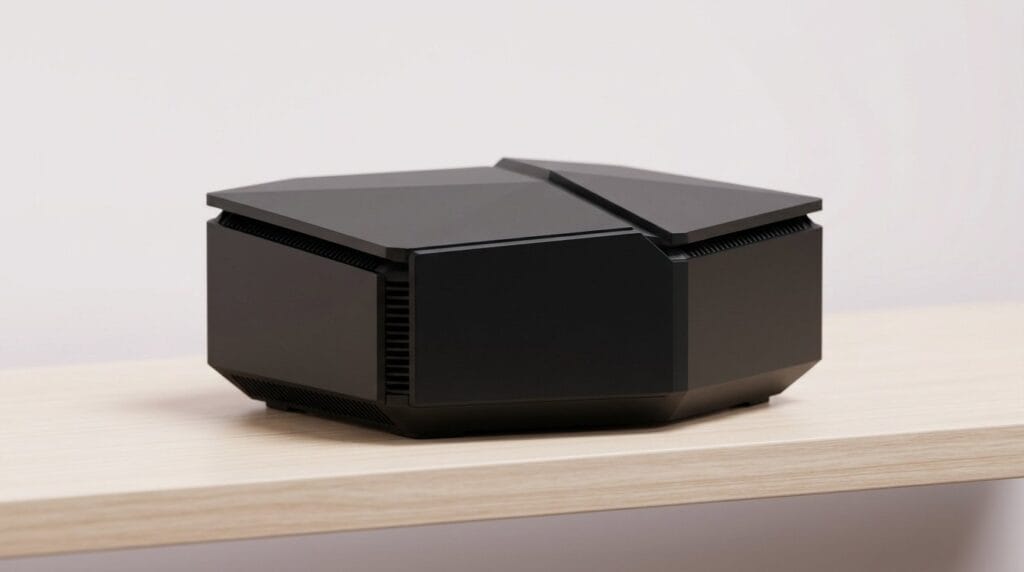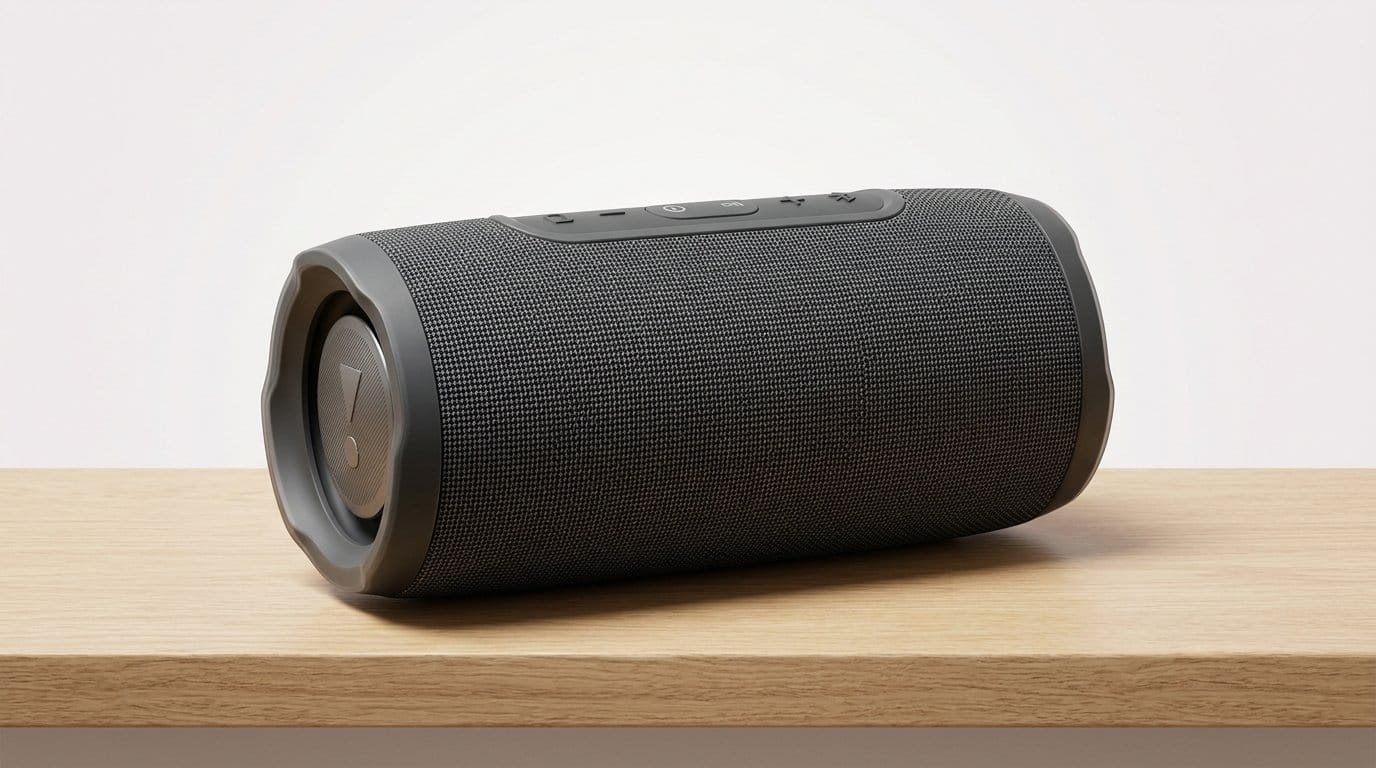

Can a portable speaker sound *grown‑up*? Spoiler: you don’t need a boombox to get real bass and clarity.
Not every portable speaker needs to rattle your windows to be fun. We’ve all been there — tiny cylinder, huge marketing, tinny mids. The market is full of loud-but-hollow options in our portable audio aisle that promise party-level bass and deliver… disappointment.
We focused on speakers that actually sound like real speakers: clear midrange, defined bass, and a sense of space. We care about how they fit into your daily life — design, battery life, ecosystem integration, and whether they stay pleasant to listen to after an hour — pair charging habits with our USB‑C charging guide when a speaker supports USB‑PD.
Top Picks
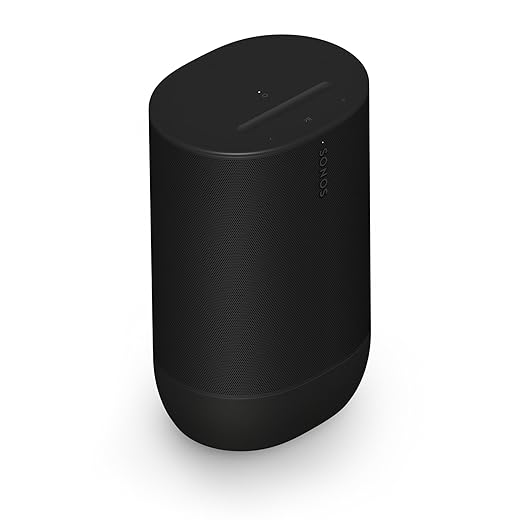





Sonos Move 2 — Portable Stereo Powerhouse
We found it delivers room‑shaking bass and a true stereo presentation rare in portable speakers. It’s the best option if you’re invested in an ecosystem and want a portable speaker that sounds like a Sonos at home.
Why it stands out
The Move 2 is Sonos’s answer to people who want uncompromising sound whether it’s on the patio or docked in the living room — a common use case in our wireless multiroom audio setups. We found the upgraded acoustic architecture — twin tweeters and a tuned woofer — produces a stereo image and low‑end power that belies the cabinet’s size.
Design and ecosystem
Listening experience and tradeoffs
We were impressed by clarity at low and medium volumes and by the speaker’s ability to keep vocals and instruments separated when pushed. Compared to smaller Sonos models, it projects farther and has the kind of bass you’ll feel outdoors. The compromises are weight and price — it’s not a pocket speaker — but for backyard parties and serious listeners who want portability, it’s a rare combination of fidelity and mobility.
Final perspective
If you already use Sonos or value the ability to carry a genuinely high‑fidelity speaker around your home and yard, the Move 2 is hard to beat among our Top Picks. It competes with the best portable boomboxes on sound while retaining Sonos’s system advantages.
Bose Portable Smart Speaker — Alexa Built-in
We found it to be a rare all-in-one: excellent 360° sound, reliable voice assistants, and real multiroom integration. It balances portability and home‑speaker features better than almost anything else in this class.
What we think and who it's for
We think this model sits at the intersection of true-home smart speakers and portable Bluetooth units. It’s designed for people who want one device that can live on a countertop most days, then travel to the patio on weekends without skipping a beat.
Design and features
Sound, battery, and ecosystem
We appreciated the way Bose tunes this speaker: the sound is full, with clear mids and surprisingly deep bass for its size. On Wi‑Fi it integrates seamlessly into other Bose speakers and soundbars, which is a big advantage if you already own products from the brand. The tradeoffs are practical — at louder listening levels the battery drains faster than the manufacturer’s most optimistic claims, and the app/voice pairing can be fiddly for less patient users — follow NIH noise-induced hearing-loss basics and OSHA occupational noise guidance before you crank outdoor sessions.
Practical takeaways and competitive context
If you want a single device that behaves like a proper home smart speaker and a genuinely portable Bluetooth speaker, this is one of the best compromises. It’s more expensive than a plain Bluetooth speaker, but the combination of voice assistants, multiroom Bose compatibility, and portable sound quality makes the premium feel justified for households that value flexibility.
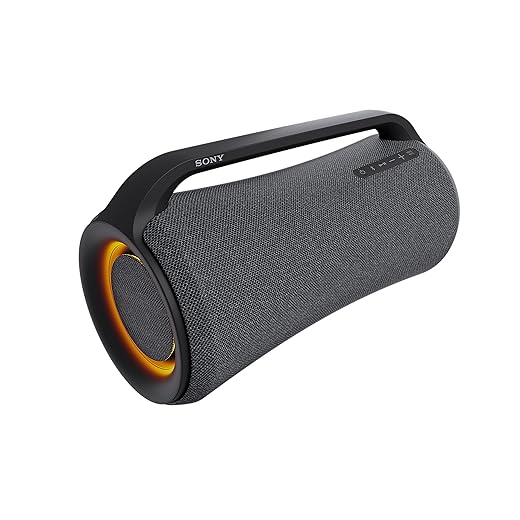
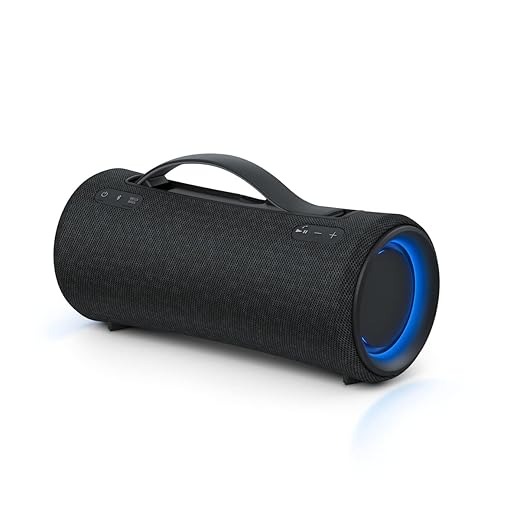
Sony SRS‑XG500 — Big‑Sound Portable Boombox
We found it projects like a small PA system: two woofers and tweeters combine for impactful bass and clear highs. It’s a solid choice when output and endurance are priorities over portability.
Who should consider the XG500
This model targets listeners who need large‑room output without setting up a full sound system. If you frequently host outdoor events or want a speaker that doubles as a party centerpiece, this is the sort of product we’d recommend.
Build and features
Sound profile and real‑world notes
We heard authoritative low end and clean mids that survived high volume levels without becoming grainy. The LED ring adds visual flair, but the speaker’s real value is in its projection and stamina — it’s more of a weekend warrior than a commuter companion. Charging speed and battery longevity make it practical for extended use.
Market context
Compared to competitors, this is one of the better choices when you want a boombox that still sounds refined. It’s a sensible alternative to bigger PA systems for backyard events and will out‑perform smaller portable speakers in sheer presence.
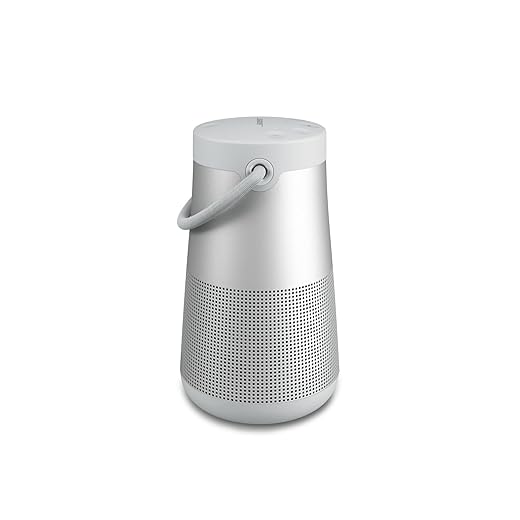
Bose SoundLink Revolve+ II — 360° Audio
We found it fills rooms with surprisingly even 360° sound and has dependable battery life for day‑to‑day use. Its build quality and easy Bluetooth pairing keep it a frequent pick for on‑the‑go listeners.
Practical profile
This Revolve+ iteration is aimed at people who want better-than-average portable sound without the complexity of Wi‑Fi and voice assistants. It’s especially useful if you regularly move a single speaker between rooms or bring it on short outdoor excursions.
Design and usability
Sound and how it fits into a system
We like the Revolve+ II for its consistent, room‑filling output; it manages bass and clarity well for its footprint. While it won’t replace a dedicated stereo setup, pairing two in Stereo or Party Mode markedly widens the soundstage. Compared with Wi‑Fi speakers it’s simpler — that’s intentional; the tradeoff is fewer smart features but a reliable Bluetooth experience.
When to pick this
Choose this if you want fuss‑free portability with strong audio performance and don’t need the extras of an always‑online smart speaker. It’s one of the more polished Bluetooth options for users who value build and consistency over bells and whistles.
JBL Boombox 2 — Monstrous Bass and Power
We were struck by its ability to deliver very loud, punchy bass while remaining reliably waterproof and rugged. It’s the right choice if maximum low‑end and battery endurance are your priorities for outdoor use.
Purpose and placement
The Boombox 2 is designed for people who want the party vibration and don’t mind heft. In open spaces its bass and presence are transformative; if you mostly listen in small rooms you’ll find it excessive.
Hardware highlights
Listening impressions and practicality
When we pushed it loud the Boombox 2 kept clarity and tightness in the midrange while delivering scale in the low end. The powerbank feature is a small but useful practicality during long outdoor sessions. The main tradeoff is portability — carrying it around is a workout — but that’s a conscious design choice to prioritize sound and battery.
Competitive context
In the field of portable party speakers it competes with other boombox‑style models by Sony and JBL’s own lineup. We prefer it when you want the deepest bass and don’t need a discreet, travel‑friendly form factor.
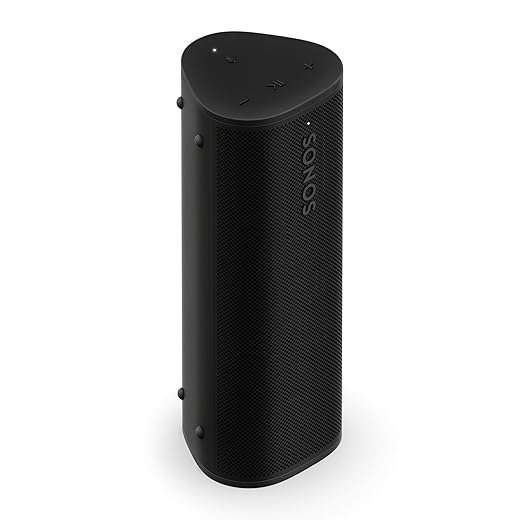
Sonos Roam 2 — Compact Waterproof Speaker
We found it delivers surprisingly full sound for its size and slots neatly into an existing Sonos system. It’s the sensible choice when portability and ecosystem compatibility matter more than maximum loudness.
Who should consider it
The Roam 2 is aimed at people who want Sonos sound in a pocketable form. We think it’s the best pick for anyone who already owns Sonos gear and wants a take‑anywhere companion that behaves like the rest of their system.
Design and portability
Sound and features
We were pleasantly surprised by how full and balanced the Roam 2 sounds given its size; Trueplay helps it adapt to rooms and outdoor environments, so it often sounds better than similarly priced rivals. The tradeoff is output — it won’t be the loudest option for a big gathering — but it wins on convenience and integration.
Competitive context
Compared with standalone Bluetooth speakers from generalist brands, Roam 2’s strength is the Sonos ecosystem: multiroom audio, AirPlay, and a consistent app experience (when it behaves). If you see portability as an extension of your home audio rather than a one‑off purchase, this is the logical, best‑value choice.
Sonos Era 100 — Compact Desktop Stereo Speaker
We liked its detailed stereo separation and roomy sound from a compact cabinet. It’s an easy recommendation for bookshelf or desk use where Wi‑Fi streaming and integrated smart features are priorities.
Purpose and audience
The Era 100 is Sonos’s compact, do‑everything indoor speaker. We think it’s ideal for people who want bookshelf‑level sound without an amplifier — a dedicated desktop or kitchen speaker that plays nicely with the rest of a home audio system.
Design and technical highlights
Listening notes and limitations
In our listening sessions it produced strong, clean mids and a bass response that’s respectable for the size. It doesn’t replace a subwoofer for bass‑heavy listeners, but paired or combined with a sub it performs very well. The downside is the usual Sonos caveats: the app controls a lot of the experience and some features are intentionally constrained by Sonos’s ecosystem decisions.
How it fits the market
For anyone building a multiroom system or looking for a high‑quality desktop speaker, the Era 100 strikes a good balance between price, sound, and compatibility. It’s a solid indoor choice if you prioritize convenience and integration over portability.
Sony ULT Field 5 — Rugged Bass‑Forward Speaker
We appreciated its adjustable ULT bass mode, long battery life, and comfortable shoulder strap that makes real portability practical. Its balance of heft and features makes it an attractive option for people who want big sound without a boombox.
Product purpose and use cases
The ULT Field 5 is aimed at people who want near‑boombox sound in a more transportable package. We like it for tailgates, beach days, and situations where you want a heavy, impactful sound but still need to carry the unit comfortably.
Notable design choices
Sound, battery, and ergonomics
In our listening tests the ULT mode delivers satisfying low‑end rumble while preserving mids and highs enough that vocals remain clear. The speaker’s weight gives it audible authority and reduces vibrations when placed on surfaces. We found the battery life to be competitive, and the quick charge feature is handy for short notice outings.
How it compares
Relative to similarly priced rivals, this model emphasizes flexible portability and bass customization more than absolute audiophile detail. If you want an aggressive sound profile and transportability without sacrificing a sense of durability, it’s one of the strongest midrange picks.
Sony SRS‑XG300 — Portable Party Speaker
We liked its combination of punchy bass, long battery life, and IP67 durability for active use. It’s a strong option for people who treat their speaker like a portable soundbar for backyard gatherings.
Who this is for
This Sony is built for people who want a durable speaker that can be hauled to beaches, parks, and patios without mercy. We see it as a do‑it‑all party speaker that also doubles as a capable home companion when you need it.
Feature set and design decisions
Sound and real‑world use
In practice we found the XG300 produces lively mids and a meaty low end that still keeps instruments intelligible at higher volumes. The long battery life is a practical advantage over many competitors, and the ability to charge other devices from the speaker reduces one less cable to pack. It’s heavier than ultra‑portable picks, but that weight buys durability and output.
Market positioning
If you want something that’s more than a travel speaker but less of a boombox, this strikes a sensible middle ground. It’s not aimed at audiophiles chasing ultra‑refined highs, but for outdoor parties and everyday robust use it’s a solid performer.
JBL Charge 5 — Portable Waterproof Powerbank Speaker
We found it to be a dependable, durable speaker that balances bass, clarity, and battery life in a compact cylinder. It’s the sensible everyday pick for people who want robust sound without complexity.
Use case and audience
The Charge 5 is built for reliability. We recommend it for everyday outdoor use, beach trips, and backyard hangs: it’s sturdy, loud enough for most gatherings, and has enough battery life to keep things running all day.
Design and practical features
Sound and user experience
In our listening sessions the Charge 5 projected a full, warm signature with a definite low‑end emphasis — it tends toward fun, musical playback rather than analytical neutrality in our boomboxes & party speakers comparisons. Pairing is straightforward via Bluetooth and PartyBoost makes it easy to add more JBL speakers for bigger events.
Buying guidance
If you want a durable, no‑nonsense Bluetooth speaker that covers the essentials — solid sound, long battery, and a powerbank — it’s hard to beat for the money. Audiophiles looking for fine detail or integrated smart assistants should look at higher‑end alternatives, but for most people this is the pragmatic choice.
Final Thoughts
If you want the best-balanced, truly portable high-fidelity experience, we recommend the Sonos Move 2 — and our product comparisons if you are cross-shopping JBL or Bose alternates. It brings a rare combination in this class: genuine stereo imaging, taut low end, and Sonos-grade Wi‑Fi multiroom support. That matters because most portable speakers trade fidelity for loudness — the Move 2 keeps the musical detail while still being rugged enough to move around the house and take outside. Choose the Move 2 if sound quality and integration with a home audio system are your priorities and you don't mind carrying a bit more heft.
For a more versatile everyday companion, we recommend the Bose Portable Smart Speaker. Its 360° sound presentation, reliable Bluetooth and Wi‑Fi switching, and built‑in voice assistant make it the best all‑rounder for people who want convenience without giving up good audio. It’s the right pick if you want seamless multiroom features, easy setup, and smart‑speaker functionality alongside solid, room‑filling sound.
Why these two? In a market crowded with bass-first, inexpensive options, the Move 2 and Bose Portable Smart Speaker stand out because they prioritize listening experience, thoughtful design, and ecosystem integration. One leans toward audiophile portable fidelity and seamless Sonos ecosystem use; the other leans toward everyday versatility and smart features — both avoid that ‘cheap’ sound most rivals still deliver.
Frequently asked questions
How did we pick these portable speakers that don't sound cheap options?
We shortlist models that balance performance, reliability, and value for typical buyers—not just the highest spec sheet. Hands-on notes, owner feedback, and return/warranty policies all feed the ranking.
Which portable speakers that don't sound cheap pick is best for most people?
Start with our top overall choice if you want the safest balance of price and features. Move up or down the list only when a specific need—budget, ecosystem, or a must-have feature—clearly applies to you.
Do prices on this portable speakers that don't sound cheap list change often?
Yes. Retailers run frequent promos, so use the live price buttons on this page and compare shipping and return windows before checkout—the best deal is not always the lowest sticker price.
Should I buy the cheapest portable speakers that don't sound cheap on the list?
Only if the trade-offs fit your use case. The budget pick can be excellent value, but check what you give up in build quality, software support, or key features you will use every week.
What if none of these portable speakers that don't sound cheap picks fit?
Use the comparison and guide links on this page to narrow by size, platform, or feature, then revisit the list with your must-haves written down—forcing a mismatch creates more returns than savings.
How often is this portable speakers that don't sound cheap roundup updated?
We refresh rankings when major models launch or pricing shifts enough to change the value story. Check the publish date at the top and compare current specs if you are reading months later.

Princess Rioboca is the Lead Editorial Writer at Option Cutter, bringing over seven years of hands-on experience in consumer technology journalism. Specializing in home networking and smart home architecture, she transforms complex technical data into practical, real-world upgrades. Princess personally tests and audits every product she reviews—evaluating real-world Wi‑Fi throughput, cable management durability, and streaming ecosystem stability—to filter out spec-sheet noise. Her rigorous, field-tested insights are designed to give readers transparent, unbiased buying advice on what to purchase, what to skip, and exactly why.